Pakistan has called for the full implementation of the 2018 revitalized peace agreement, describing it as the only viable framework for a peaceful political transition in South Sudan as the nation prepares for its planned first elections as a sovereign state.
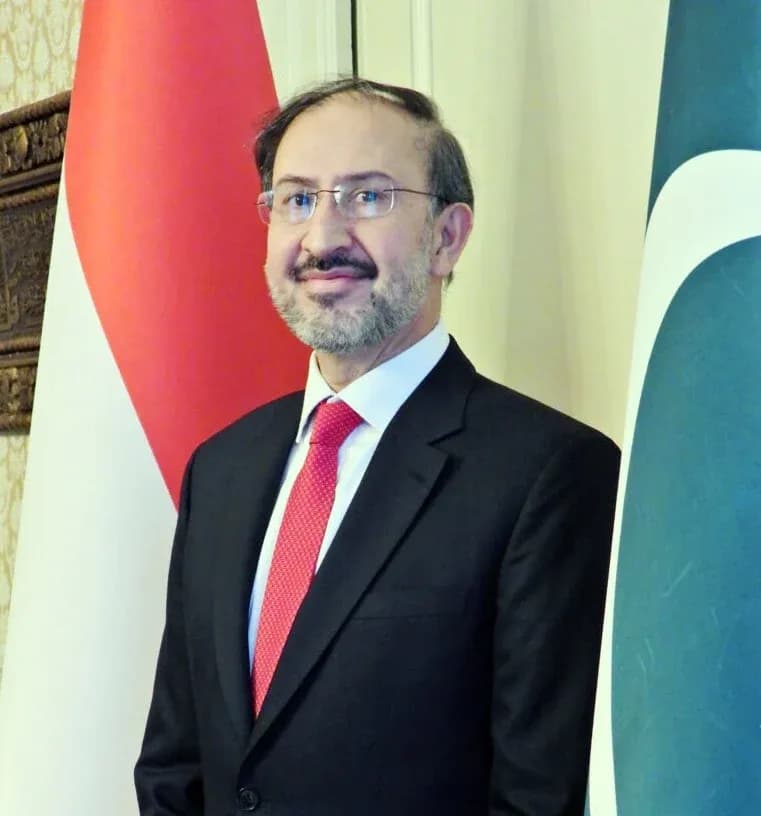
Speaking before the UN Security Council on November 11, Pakistan's permanent representative to the United Nations, Ambassador Syed Haider Shah, stated that with 42 days remaining until the planned elections, the 2018 agreement remains essential for long-term stability and reconciliation. He noted that while the agreement is the only consensual framework for peace, recent changes to the transitional arrangements — including the dissolution of the Unity Government and establishment of a caretaker administration — have “further strained the political consensus underpinning the Agreement”.
Ambassador Shah emphasized that elections represent one milestone in the peace process rather than its conclusion. He also addressed the UN Mission in South Sudan (UNMISS), praising its role in protecting civilians and facilitating humanitarian access, but stressed that the mission must have the necessary personnel and capabilities to fulfill its mandate. He expressed concern over continued restrictions on UNMISS freedom of movement and urged the government to remove them.
The Pakistani envoy strongly condemned a 24 August attack on an UNMISS patrol in Jonglei, which killed Ethiopian peacekeepers and injured United Nations and national personnel. He described the coming weeks as "critical" and argued that lasting stability requires dialogue, compromise, and regional engagement rather than military confrontation or "punitive" approaches.
During the briefing, Anita Kiki Gbeho, the Special Representative of the UN Secretary-General and UNMISS, warned that the country is at a critical juncture with a fragile political consensus ahead of the 22 December elections. While preparations have accelerated, Gbeho cited unresolved security arrangements, logistical hurdles, and demands from the opposition for the release of Riek Machar. She stated that “Elections cannot substitute for political dialogue”.
Regarding the security situation, Gbeho reported increased localized violence and communal tensions, with more than 140 people reportedly killed in recent clashes in Lakes and Warrap States. She noted that communal violence accounts for over 60 per cent of reported civilian casualties this year.
The humanitarian situation remains dire, with approximately 10 million people requiring assistance and 7.5 million facing food insecurity. Gbeho reported that humanitarian access restrictions have increased by 38 per cent, though UNMISS has expanded escorts to reach more than 321,000 vulnerable people. She called for an immediate end to fighting and urged for unhindered humanitarian access and inclusive political dialogue.