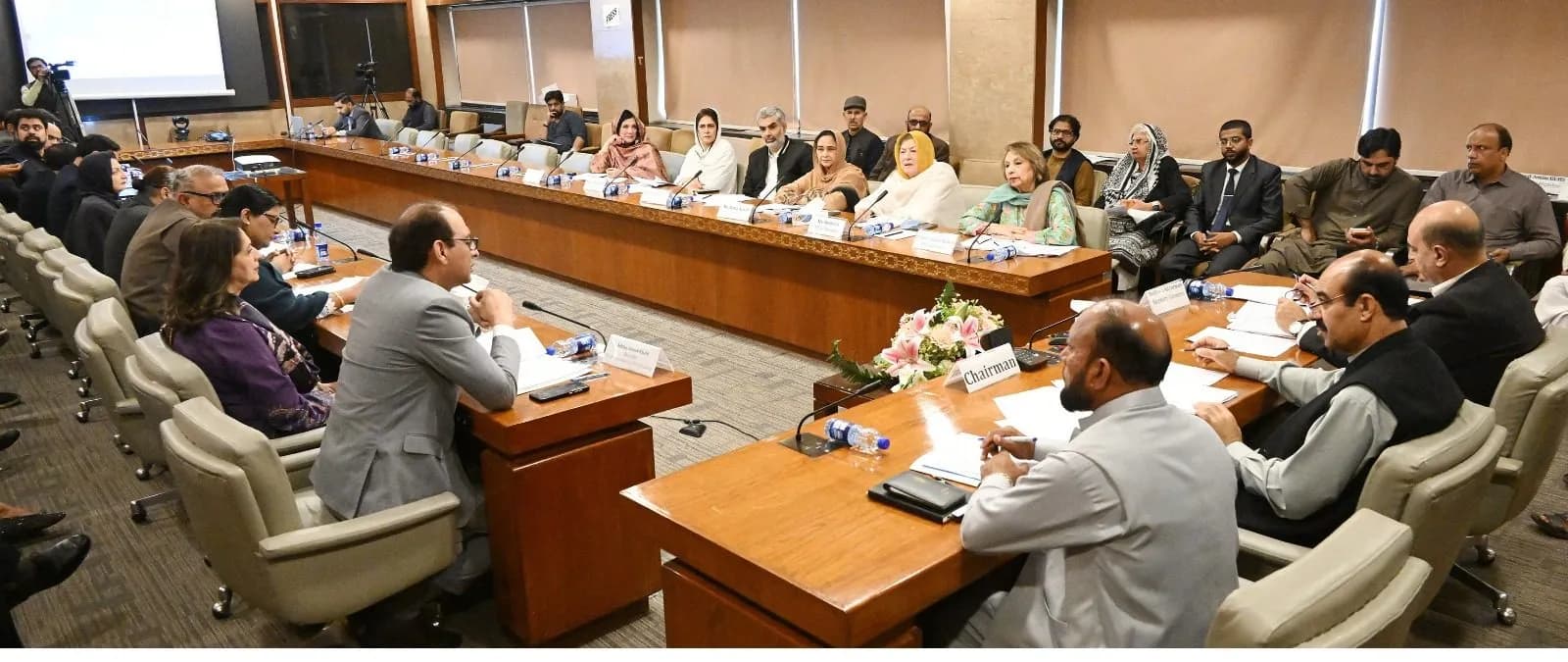
The Jamaat-e-Islami (JI) announced on Tuesday that it has reached an agreement with the government on the broad outlines of a draft proposal to extend petroleum-related relief to consumers. During the 10th round of negotiations, both sides agreed on the necessity of providing relief to the public, specifically targeting low-income households.
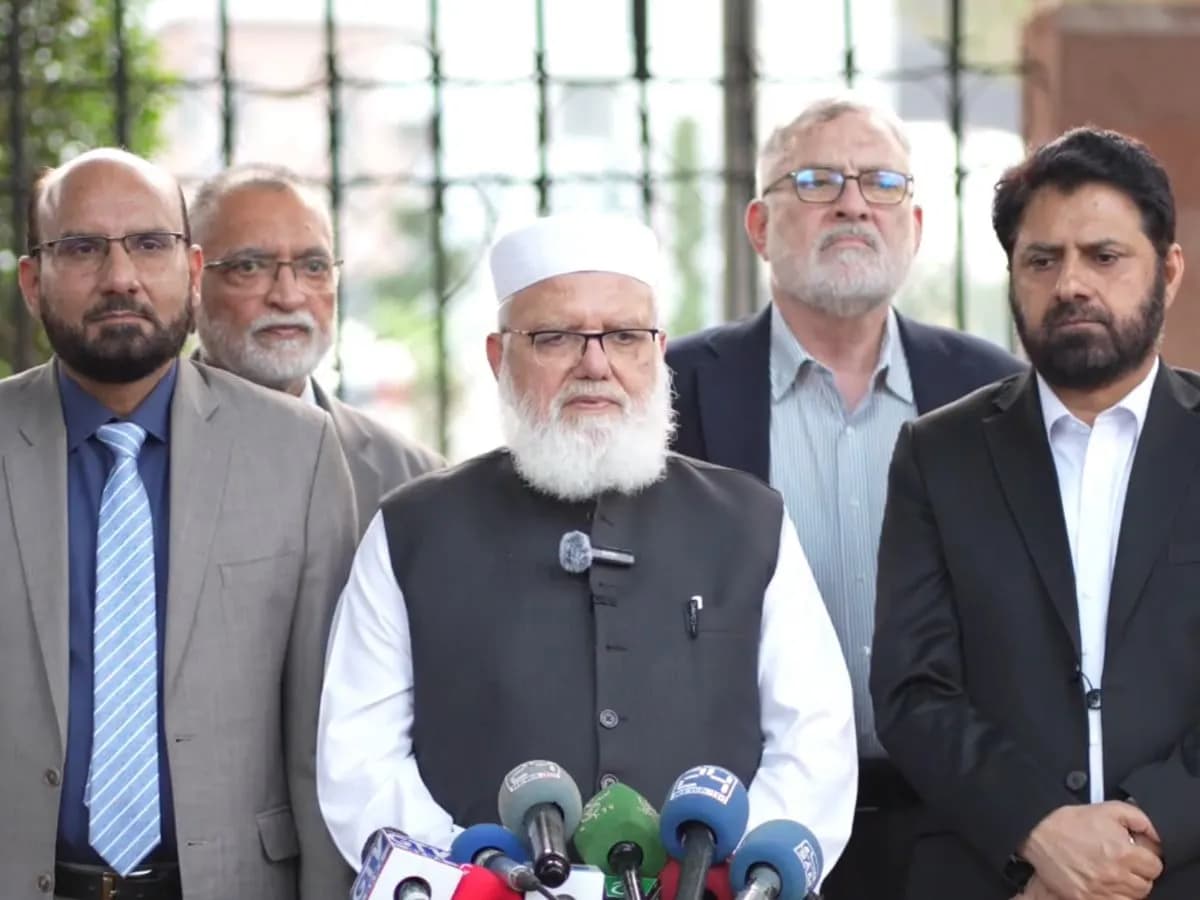
JI deputy chief Liaquat Baloch stated during a press conference that the government acknowledged the difficulties in petroleum supply caused by the global situation and admitted that the JI's demand to abolish the petroleum levy was legitimate. Baloch noted that the government is expected to share further details in the coming days and has started working on a plan to address its revenue requirements. He stated that the government would consult with the International Monetary Fund (IMF) regarding the continuation of relief measures.
During the talks, the JI proposed including the agricultural sector and vehicles with engines up to 1,000cc in the relief scheme. While the government informed the JI delegation it would share a framework for gradually reducing the levy after consultations with the IMF, Baloch criticized the government for being unwilling to cut its own luxuries and for placing the burden of Federal Board of Revenue (FBR) failures on consumers.
Baloch stated that the negotiation process has reached the "stage of final decisions." A final decision on the proposed agreement is expected following a possible meeting between Prime Minister Shehbaz Sharif and JI chief Hafiz Naeemur Rehman. Following that meeting, the JI will decide whether to proceed with its planned long march. Baloch warned that the party would withdraw from negotiations if it found the government unwilling to move forward, stating, "Our only goal is that the people should get relief, that there should be a reduction in production costs, that the economy should run and that people should get employment."
The government confirmed the constructive discussions through a statement from the Deputy Prime Minister and Foreign Minister Ishaq Dar’s office. The statement noted a broad agreement on addressing public concerns through continued consultation and cooperation. Dar welcomed the positive spirit of the engagement and reiterated the government's focus on supporting ordinary households amid economic challenges.
The JI's campaign against the petroleum levy intensified in August with nationwide demonstrations. On September 3, the government and JI agreed to establish technical committees to examine proposals for reducing the levy. On September 12, JI chief Hafiz Naeemur Rehman announced a long march toward Islamabad, which was subsequently suspended on September 22 at the request of Prime Minister Shehbaz Sharif to allow for further talks. On November 3, the two sides held "candid discussions" on practical measures for low-income citizens, where the JI presented six proposals, including abolishing the levy and reducing public transport costs.