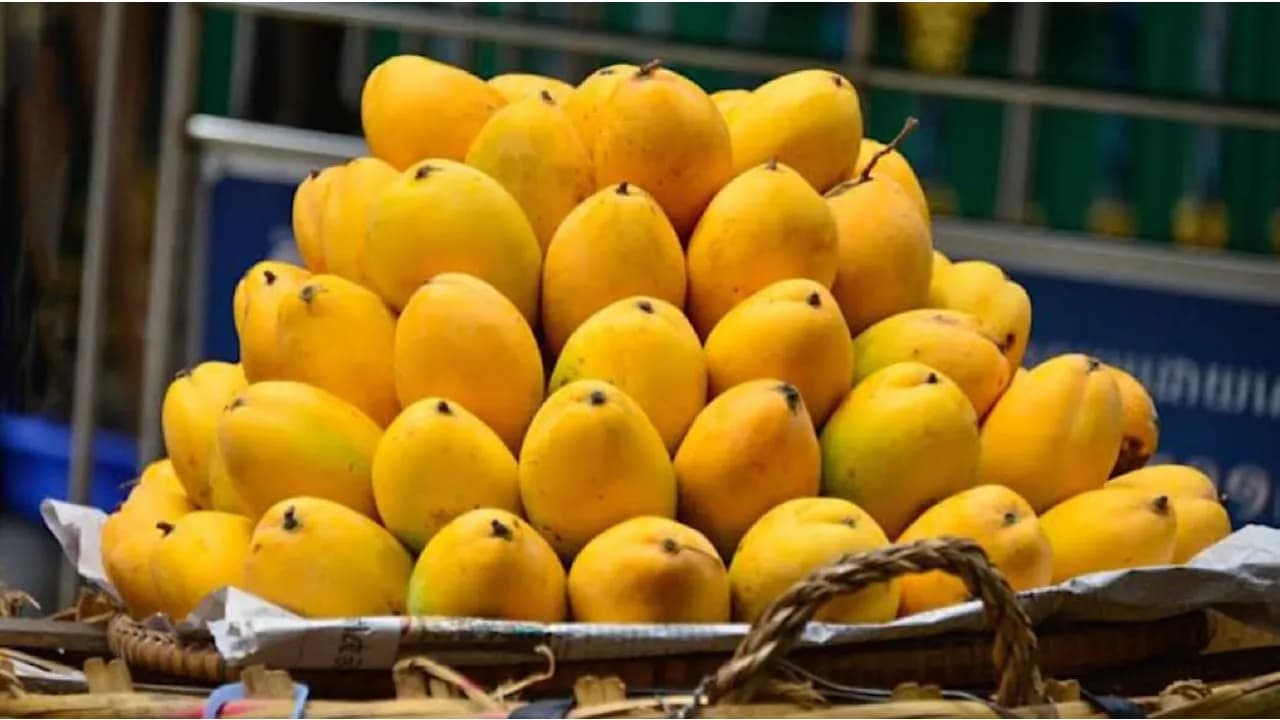
Pakistan’s mango export earnings have dropped from approximately $100 million to around $60 million this year, according to industry figures released on Wednesday. The All Pakistan Fruit and Vegetables Exporters Association reported that the country exported 78,000 metric tons of mangoes this year, a 36 percent decline from the 123,000 metric tons exported in the previous year.
Waheed Ahmed, head of the exporters’ association, attributed this decline primarily to the months-long near-closure of the Strait of Hormuz, a critical international shipping route, and a steep increase in freight charges caused by the US-Iran war. Ahmed stated that freight rates, which previously ranged between $1,000 and $1,400, have now climbed to approximately $8,000. These disruptions also extended transportation times, which created additional challenges for exporters handling perishable products.
The Middle East, a major export market, saw particularly severe disruptions. Shipments to the region fell from 36,000 metric tons to just 14,500 metric tons, representing a drop of more than 59 percent. While the United Arab Emirates and Oman remain the primary destinations for the internationally acclaimed Chaunsa variety, followed by Saudi Arabia, Kuwait, and Qatar, the regional decline has significantly affected volumes.
Ahmed also noted that exports to neighboring Afghanistan faced disruptions due to frequent border closures amid strained relations between the two countries.
Beyond the issues of transportation and conflict, the association identified declining domestic production as a further challenge. While Pakistan produced approximately 1.9 million metric tons of mangoes annually until 2018—ranking it as the world’s sixth largest producer—production has declined over the past four years. The association identified global warming as a major contributing factor, stating that climate change has reduced Pakistan’s total mango production by 35 percent.