An International Monetary Fund (IMF) spokesperson on Saturday reiterated that Pakistan should "phase out" its fuel subsidy scheme. The Fund stated that any future government support should be limited, time-bound, and accommodated within this fiscal year’s budget.
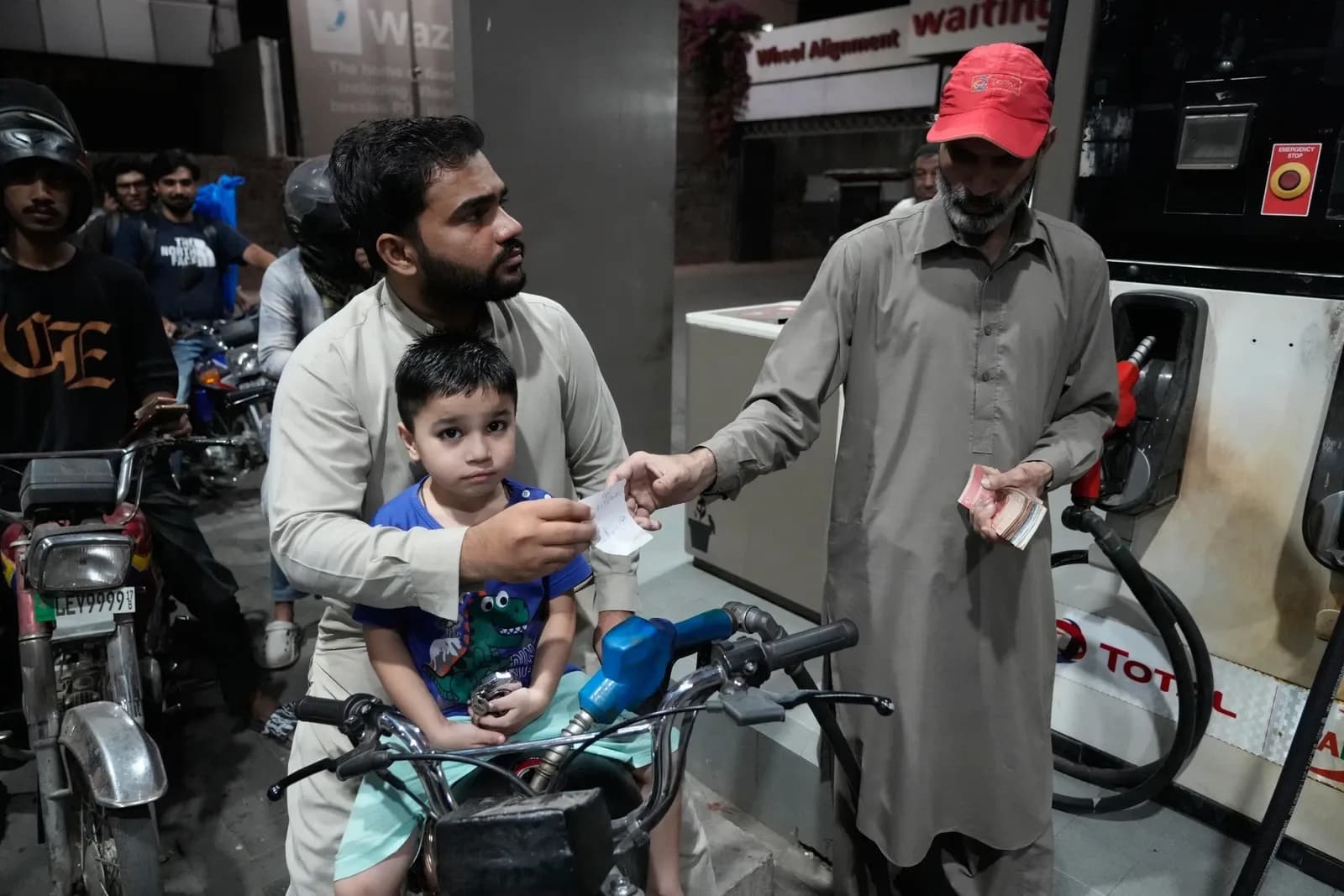
Pakistan launched the fuel subsidy scheme in September to shield lower-income motorists from rising petrol prices caused by the US-Iran war. The scheme provides motorcycle and rickshaw users with a weekly petrol token worth Rs500 ($1.80).
Under the current programme, owners of cars with engines up to 800cc receive a discount of Rs100 ($0.36) per litre on up to 10 litres every 10 days. The IMF called for the prompt phasing out of the subsidy due to its high cost and broad targeting.
Pakistan is currently working to transition from stabilisation to economic growth with the help of the IMF’s $7 billion Extended Fund Facility (EFF) loan programme. Authorities have committed to allowing domestic fuel prices to align with international rates while mitigating the impact on vulnerable populations.
The IMF spokesperson noted that the war in the Middle East remains a significant headwind for Pakistan due to its reliance on oil and gas imports from Gulf countries. Higher oil prices have already increased domestic inflation pressures, with consumer prices rising 9.6 per cent in October.
The Fund warned that sustained volatility could weigh on the economic outlook and urged Islamabad to focus on maintaining macroeconomic stability. Policy priorities should include advancing reforms to strengthen public finances, enhance competition, and bolster the social safety net.
The IMF also called for reforms in state-owned enterprises and improved public service provision and energy sector viability. The Fund reached a staff-level agreement with Pakistan last month following talks in Karachi and Islamabad.
The agreement awaits approval from the IMF’s Executive Board, which is expected to meet in December. Upon approval, Pakistan will receive about $1 billion under the EFF and $210 million under the Resilience and Sustainability Facility (RSF).
In the context of the current review, as stated in the Oct. 7 staff-level agreement, the fuel support scheme should be phased out, given its broad targeting.
IMF spokesperson
And any future fuel support— should oil prices surprise on the upside— be limited, timebound, targeted using established social assistance programs, and accommodated within the FY27 budget envelope.
IMF spokesperson