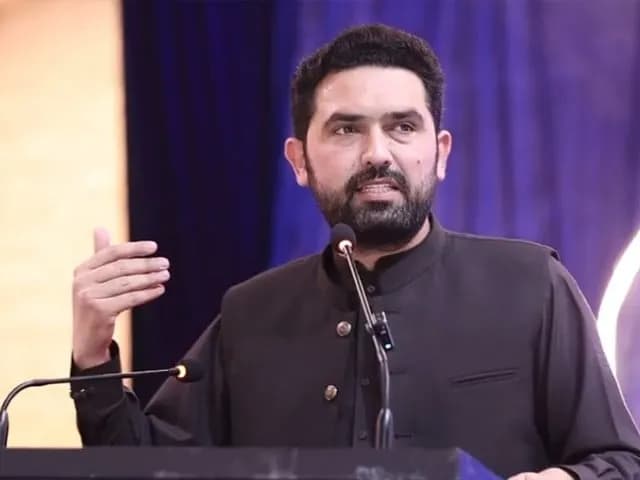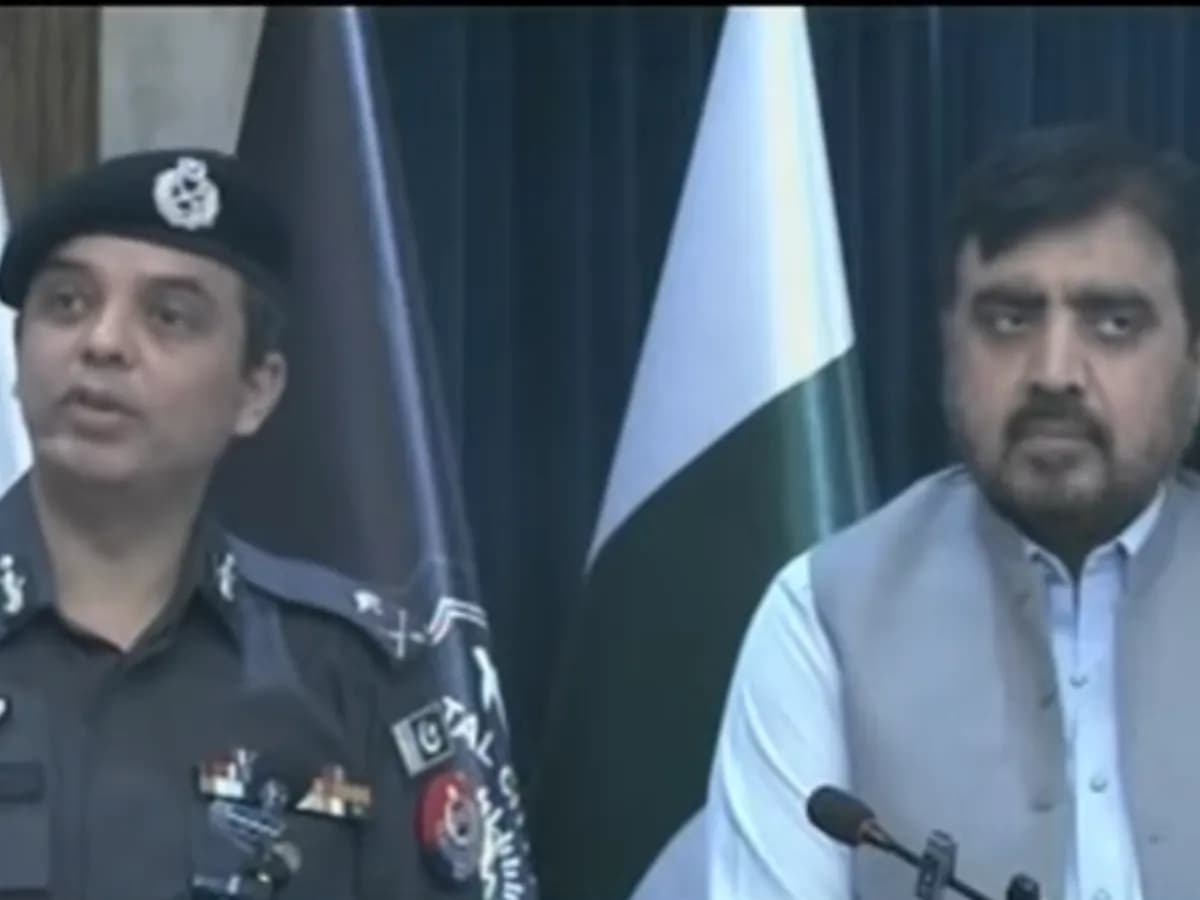
Security forces and police conducted a joint Intelligence-Based Operation (IBO) in the Tirah Valley near Peshawar on November 7, resulting in the arrest of an Afghan national involved in planning terrorist attacks in Pakistan. Additional Inspector General Khyber-Pakhtunkhwa (K-P) Abbas Ahsan announced the arrest during a press conference on Wednesday.
Ahsan identified the suspect as Hikmatullah, alias Hamza, the son of Noor Mohammad. The suspect is from the Chamkaniye area and Mangiyar village in Afghanistan's Paktia province. According to Ahsan, the arrest was achieved through electronic surveillance, human intelligence, and other intelligence resources.
The suspect previously served in the former Afghan national army, where he received three months of military training and three months of commando training. Ahsan stated that after the Afghan army was dissolved, the suspect used his expertise at various madrassas to resume training and establish contacts to facilitate attacks in Pakistan. Ahsan further claimed the suspect prepared a suicide bomber identified as Akrama, whom the suspect had trained at the Khalid bin Waleed madrassa near Jalalabad.
The suspect reportedly had links with the former Gul Bahadur group and had served as a security guard for its commander, Mansoor. Interrogations revealed the identities of his facilitators in Pakistan and Afghanistan, his training locations, and the specific places where he planned to carry out attacks.
During the press conference, officials played a video statement attributed to the suspect. In the recording, Hamza stated he studied with a religious scholar for one year before teaching at a madrassa. He claimed to have met Akrama in Jalalabad and prepared him for a suicide attack. He also stated, “I was injured during the Taliban's rule in Afghanistan,” and claimed he was being treated well in Pakistan.
Information Secretary Area Development Secretariat (ADS) Mahmood Jan Babar stated that Afghan territory is being used for terrorism, noting that terrorists attempt to use the cover of darkness to enter Pakistan. Babar said the arrest was a success and noted that such networks continue to operate. He stated that security forces, society, and the government stand united against those attempting to enter Pakistan to carry out attacks.
Terrorism is a growing problem for Pakistan, with the number of attacks rising every year since 2022, according to Armed Conflict Location & Event Data (ACLED), a global monitoring organisation. Data from ACLED shows attacks in Pakistan rose nearly fourfold to 2,425 in 2025 from 658 in 2022. The scale of the threat continued to grow in 2026. Two security reports presented to the federal cabinet in October showed that terrorist incidents in K-P increased by 195 per cent between March 2024 and September 2026. The reports also found that 73 per cent of attacks recorded in the province during 2026 had targeted police and security personnel, while the use of drones and improvised explosive devices (IEDs) had emerged as growing threats.
Pakistan has repeatedly accused the Afghan Taliban of allowing the banned Tehreek-e-Taliban Pakistan (TTP) to operate from Afghan territory. A United Nations Security Council monitoring report from February 2026 supported Islamabad's concerns, stating that TTP attacks originating from Afghanistan had increased and that the group was being afforded greater liberty and support by Afghanistan's de facto authorities. The report also noted that Al Qaeda continued to provide training and support to TTP, which had acquired advanced weapons including drone systems and night-vision equipment.