Key Takeaways
- Lahore High Court extended the suspension of a PMDC directive for Afghan medical students to return to Afghanistan.
- The directive, issued on September 1, barred Afghan students from admission or placement in Pakistani colleges.
- Five Afghan medical graduates filed a plea, arguing their right to a house job placement.
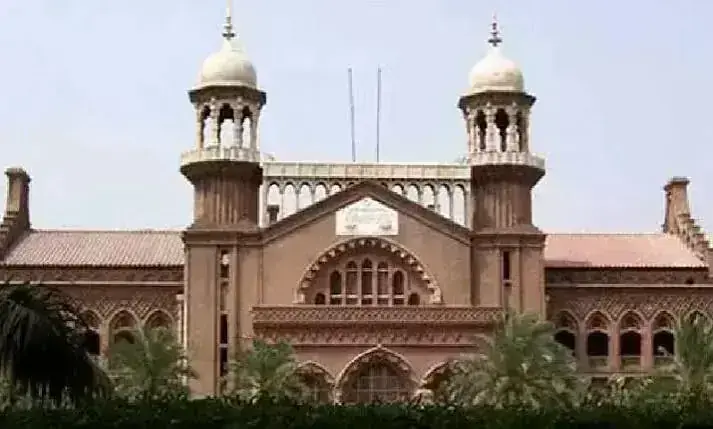
The Lahore High Court (LHC) has extended the suspension of a Pakistan Medical and Dental Council (PMDC) directive that had directed Afghan medical students enrolled in Pakistani colleges to return to Afghanistan. The directive, issued on September 1, also barred medical and dental colleges from granting admission or placement to Afghan students for the current academic session.
In response to the directive, a set of petitions against it was filed by 13 Afghan students enrolled at different institutions in Lahore, including King Edward Medical University, Shaikh Khalifa Bin Zayed Al Nahyan Medical and Dental College, and the Services Institute of Medical Sciences, on September 10. A large number of Afghan medical students were present at the court to attend the hearing.
At the last hearing on September 11, Justice Khalid Ishaq of the LHC sought replies from the respondents, including the PMDC, the health ministry, and the vice chancellors of the medical varsities and colleges in question. However, the lawyers for the PMDC and the University of Health Sciences appeared before the court on Friday and sought more time to furnish their written replies. The judge allowed their requests and adjourned the hearing for a later date.
Additionally, a plea was filed by five Afghan medical graduates on Thursday. These graduates, who completed a five-year MBBS programme in the 2021-2026 session under the HEC-administered Allama Iqbal Scholarship, argued that without PMDC registration, they could not enrol in the mandatory year-long house job required to practice medicine. They contended that PMDC’s own 2025 regulations granted graduating students a right to a house job placement at their affiliated teaching hospital, and that the council’s governing 2022 Act did not empower it to order deportations.
Justice Ishaq asked Advocate Asad Jamal, the counsel for the petitioners, to satisfy the court as to how the graduates could seek a year-long house job as a right, keeping in view Pakistan’s current foreign policy. He also inquired why the graduates wanted to continue their stay despite completing their MBBS programme. Advocate Jamal responded that the graduates had a legitimate expectation for a house job after the completion of their programme.
Justice Ishaq directed the counsel to convince the court on the maintainability of the pleas filed by the graduates, keeping in view Pakistan’s current foreign policy. The court’s decision to extend the suspension of the PMDC directive reflects the ongoing legal and humanitarian concerns surrounding the status of Afghan medical students in Pakistan.
Millions of Afghans have poured into Pakistan over the past several decades, fleeing successive wars, as well as hundreds of thousands who arrived after the return of the Taliban government in 2021. A deportation drive first launched in 2021 aimed at Afghan nationals, including medical students, has been a contentious issue in Pakistan’s foreign policy and humanitarian considerations.