Key Takeaways
- US military launches strikes around the Strait of Hormuz, leading to a 3% rise in oil prices.
- Iran retaliates by attacking US military sites in Bahrain and Kuwait.
- Donald Trump declares an end to the ceasefire agreement with Iran.
Hostilities between the United States and Iran have resumed following a series of strikes by the US military around the Strait of Hormuz. The attacks, which targeted more than 80 Iranian sites early on Wednesday, came in response to Iranian attacks on three commercial vessels passing through the strait on Tuesday.
Iran's Islamic Revolutionary Guard Corps responded with its own attacks, launching missiles against US military facilities in Bahrain and Kuwait. According to reports, 85 facilities were hit by these retaliatory strikes.
The resumption of hostilities has led to a significant increase in oil prices, with the benchmark Brent crude rising by 3% following the attacks. This is due to concerns over potential disruptions to global oil supplies through the Strait of Hormuz, a critical maritime passage for international trade.
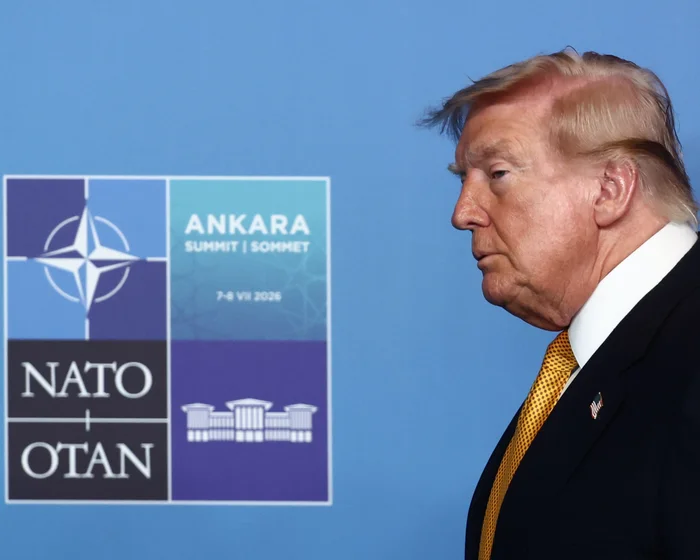
Speaking at the NATO summit in Ankara, US President Donald Trump declared an end to the ceasefire agreement with Iran and lashed out at the country's leaders, calling them 'vicious, violent people' whom he would not deal with because they were, in his words, 'scum'.
Despite the harsh rhetoric, Mr Trump appeared to indicate that talks between the two nations could continue. NATO Secretary General Mark Rutte backed the US attacks, stating: 'When you have a ceasefire and Iran is basically violating the ceasefire, I think it is totally crucial that the US forcefully react.'
The fragile truce had been in place since April, but its collapse comes at a critical time for global oil markets. The attacks on commercial vessels passing through the Strait of Hormuz are seen as a direct challenge to international shipping and trade routes.
While the immediate focus is on the military actions, there are concerns about the long-term implications for regional stability and economic growth. Analysts warn that sustained hostilities could lead to further disruptions in oil prices and global supply chains.
The situation remains tense, with both sides showing no signs of backing down. The international community watches closely as tensions continue to escalate.
When you have a ceasefire and Iran is basically violating the ceasefire, I think it is totally crucial that the US forcefully react.
Mark Rutte, NATO Secretary General