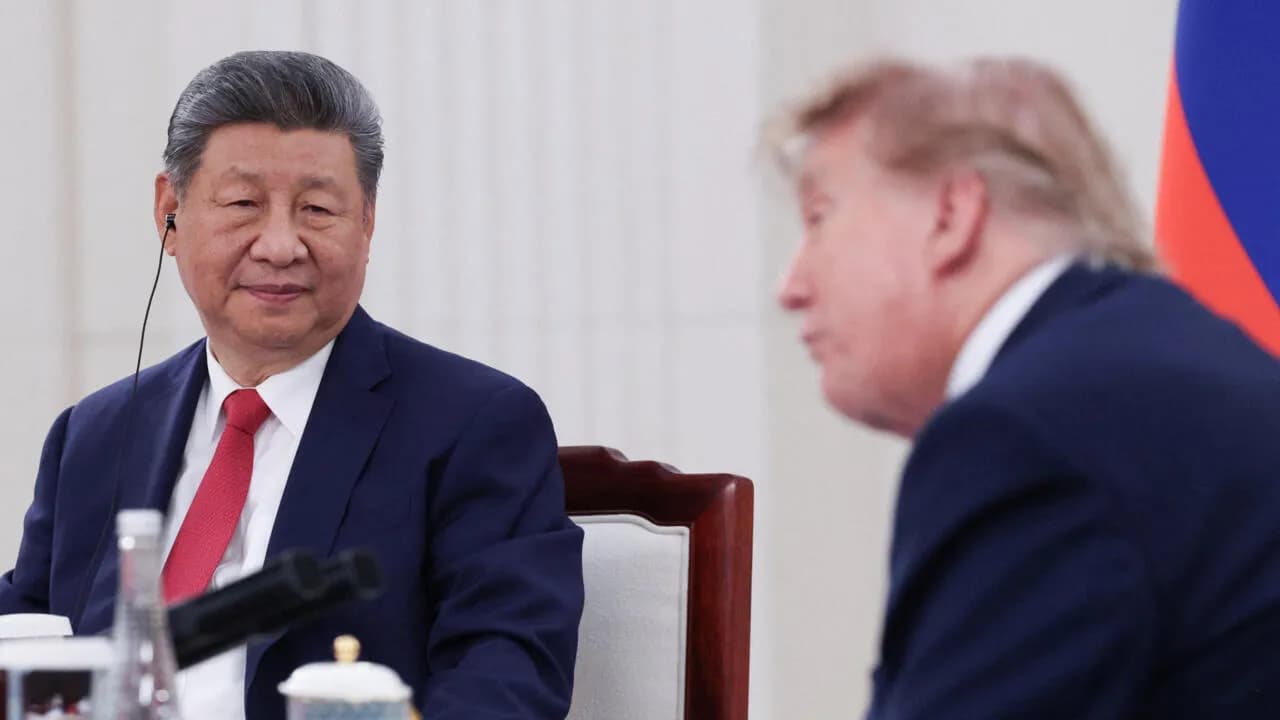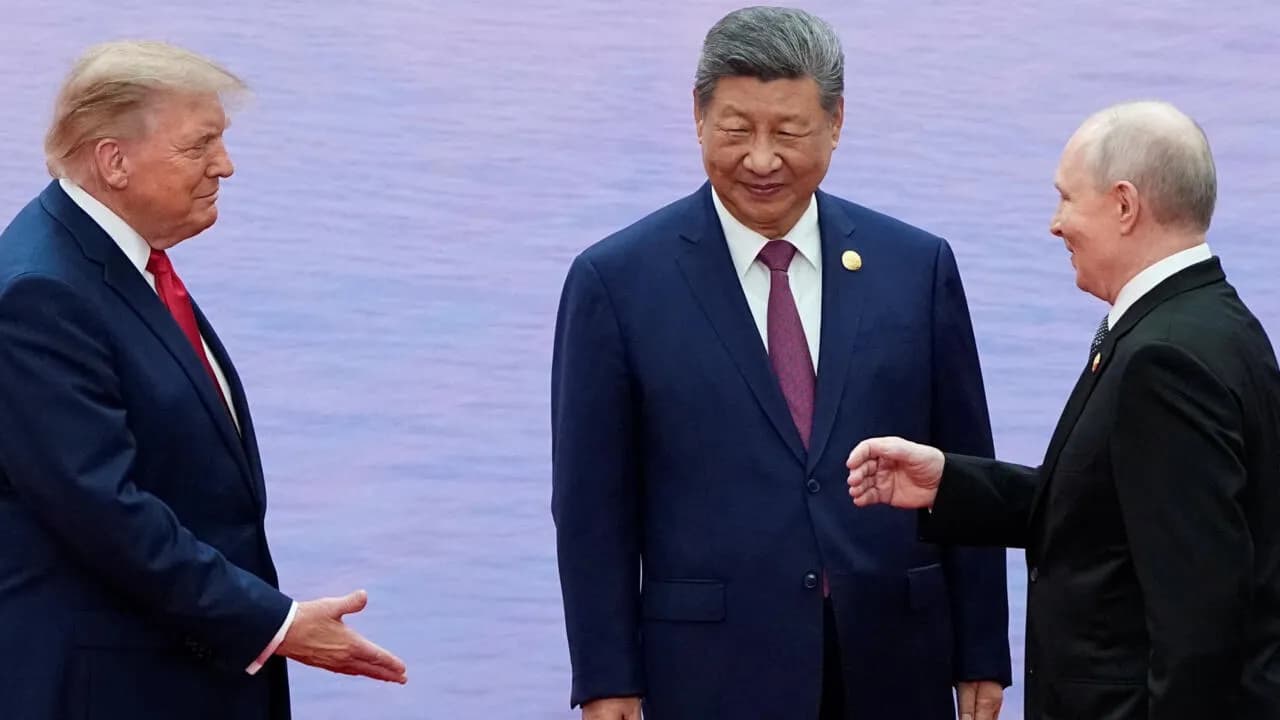
Chinese President Xi Jinping, US President Donald Trump, and Russian President Vladimir Putin met for an unprecedented three-way summit in the southern Chinese city of Shenzhen on Thursday. The leaders released a joint "peace declaration" which reaffirmed that a nuclear war cannot be won and must never be fought.
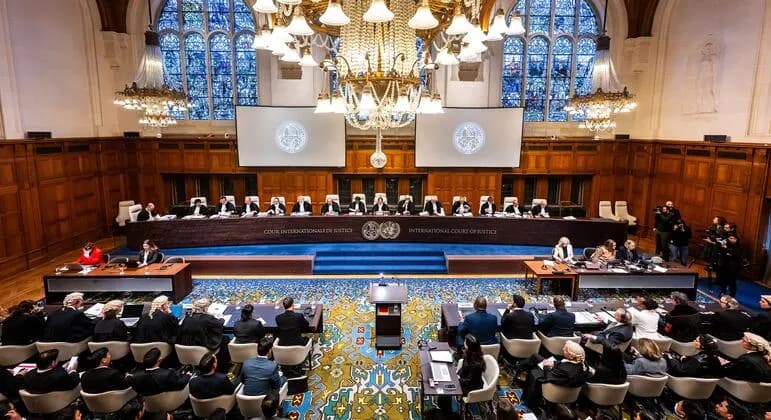
The declaration, released by the Kremlin and the Chinese state news agency Xinhua, included pledges to advance reforms of the United Nations, increase supplies of refined petroleum products for all countries, and uphold the immunity enjoyed by state officials in international courts. The document stated the powers would "conduct a dialogue on reducing nuclear risks and preventing proliferation of nuclear weapons," though it did not provide a specific timeframe.
The summit, held at the Kylin Villa, was described by the leaders as historic. At the start of the meeting, Trump told Xi and Putin, "We are really making history," adding that "No peace was ever forged by declining opportunities for engagement." Xi responded by stating, "History tells us that when major powers live in harmony, the world is at peace. When major powers clash, the world falls into turmoil."
Despite Trump's repeated boasts about brokering peace, the summit produced few tangible victories. The declaration contained no commitments to reduce nuclear arsenals. Daryl Kimball, executive director of the US-based Arms Control Association, said the reaffirmation that a nuclear war cannot be won was positive, but added, "We need much more than rhetoric. We need action on disarmament diplomacy."
The meeting was characterized by significant fanfare for Trump, who highlighted the "beauty, the pageantry, the thousands of people, the young children, the soldiers, the whole thing" during his arrival. This contrasted with the more muted greeting received by Putin.
The summit occurred amid deep differences regarding Ukraine, Iran, and trade. Putin, who recently faced a setback in Ukraine following the crippling of a key bridge linking Crimea to Russia, stated the three countries had "numerous shared interests in the settlement of regional conflicts, including obviously the conflict in Ukraine." Xi did not make a direct reference to Ukraine but spoke on the harmony of major powers.
Regarding Taiwan, Xi told Trump the US must "do the right thing" to avoid major setbacks in their relationship.
Jonathan Eyal, international director at the Royal United Services Institute think-tank in London, stated that Putin "gained credibility and escape from pariah status," while Trump "gained a photo opportunity he didn’t need." Eyal added, "The pushback against international norms and courts is the most interesting aspect," and "The big powers dictate, the small powers suffer."
Putin conceded in a news conference after the summit that the declaration did not set ambitious goals and noted that nobody would be forced to comply with its decisions. Trump departed for the US without making any comment following the meeting.