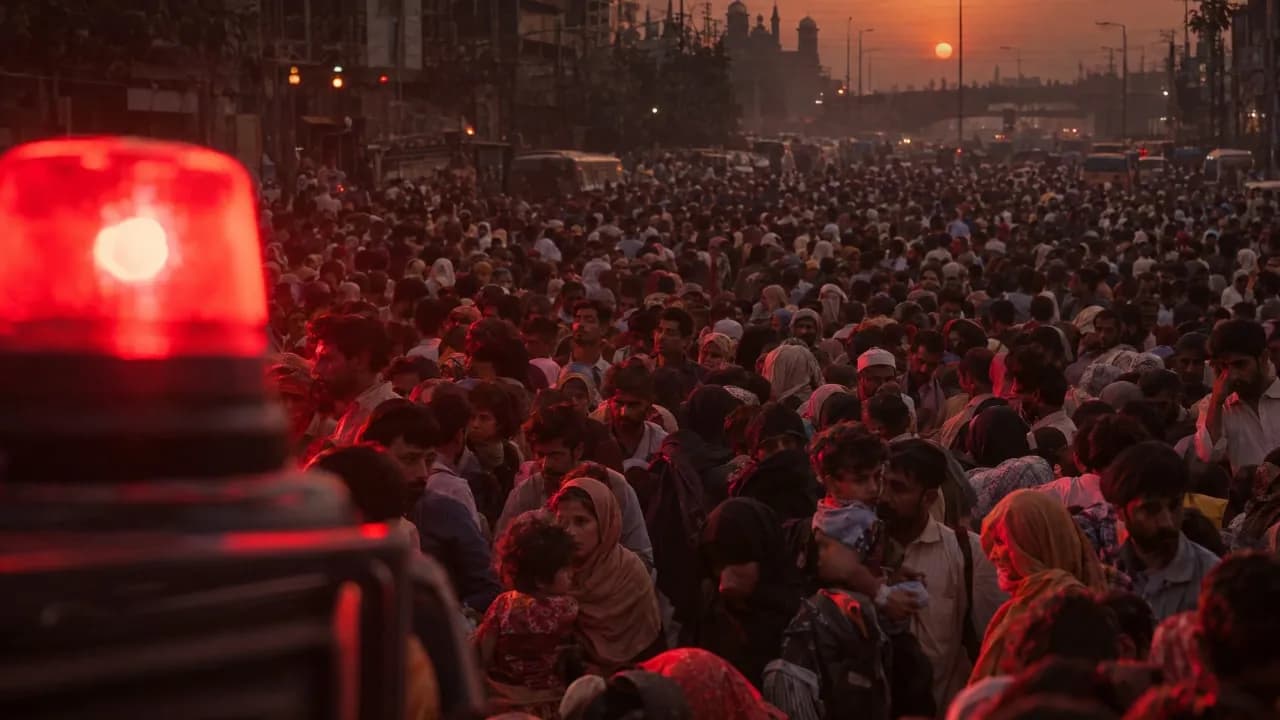
Pakistan has officially declared its rapid population growth a national emergency. This declaration follows the revelation that the annual growth rate has climbed to 2.55%, which is more than double the government’s target of 1.25% by 2035.
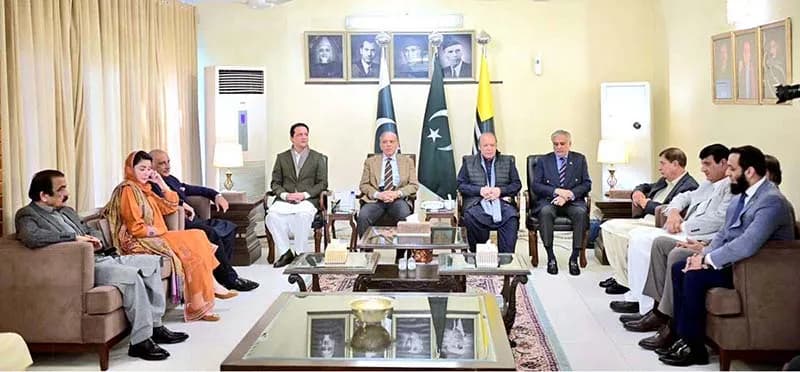
The figures were released during a coalition meeting regarding the role of the media in population stabilisation. Pakistan now stands as the world’s fifth most populous country with 241.5 million people. Rather than slowing down, the growth rate has accelerated, with the fertility rate currently sitting at 3.6 children per woman. This figure is far above the target of 2.1 set by the Council of Common Interests (CCI).
Worse, 17.3% of married couples still lack access to family planning services. A regional divide exists in these figures, with Balochistan topping the fertility charts at 5 children per woman and a 32% unmet demand for family planning services.
The demographic reality shows that 67% of Pakistan’s population is under 30, which is piling pressure on public services, schools, and jobs. The human cost is also significant, with approximately 11,000 mothers dying every year during pregnancy or childbirth.
To manage the growing workforce, Pakistan must create 2.6 million new jobs annually. Furthermore, student enrolment is projected to hit 60 million by 2050. Provincial projections for 2050 are stark, with Punjab’s population potentially reaching 253 million and Sindh’s reaching 111.5 million.
In response to the crisis, a National Population Council has been established under the chairmanship of the prime minister. The federal government also abolished taxes on contraceptives in the 2026-27 budget. Additionally, the Council of Islamic Ideology has recognised the importance of birth spacing for maternal and child health.
Despite these actions, a 39% funding gap still haunts the national action plan. During the meeting, there was a clear demand for the media to increase public awareness and hold the government accountable on population management, healthcare, and family planning.