Key Takeaways
- US lawmakers passed a new sanctions bill targeting Russia’s energy and defence sectors.
- The bill gives President Trump authority to impose tariffs on major buyers of Russian oil and gas.
- Democrats expressed concerns over the bill’s provisions, with one calling it 'deeply flawed'.
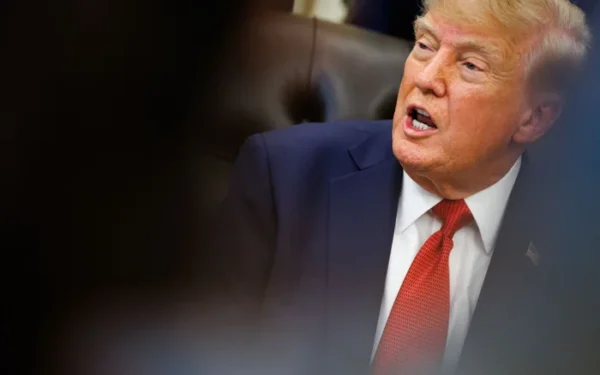
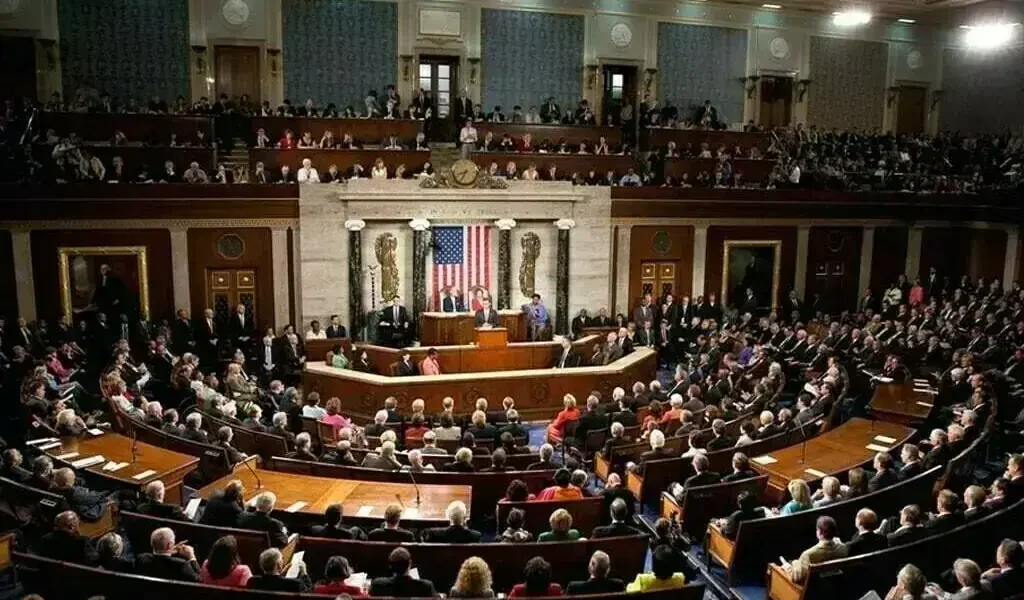
US Congress has approved a new sanctions bill aimed at Russia, designed to intensify economic pressure on the country over its ongoing conflict in Ukraine. The legislation, passed by the Republican-led House of Representatives, now awaits President Donald Trump's signature.
The bill, which sailed through the Senate with an 86-11 vote, targets Russia's energy and defence sectors, as well as President Vladimir Putin and other senior officials. It also includes measures against Moscow's shadow fleet of tankers, which are used to circumvent Western sanctions.
The legislation grants Trump the authority to impose tariffs of up to 100 percent on major buyers of Russian oil and gas, potentially including China and India, in an effort to cut off revenue that funds Russia's war efforts.
However, the bill's sweeping tariff powers have sparked controversy among Democrats. Gregory Meeks, the top Democrat on the House Foreign Affairs Committee, described the bill as 'deeply flawed'. He argued that the White House lawyers had drafted the current text to maximize Trump's authority to impose new import taxes on the American people, while minimizing the obligation to actually impose new sanctions on Russia or its enablers.
The approval of the bill marks a significant step in the US response to Russia's actions in Ukraine, with the measure seen as a strong stance against Moscow's aggression. However, the internal divisions within the Democratic party highlight the complex political landscape surrounding the issue.
The legislation's provisions are expected to have far-reaching implications, not only for Russia but also for countries like China and India, which are significant buyers of Russian energy resources. The potential for increased tariffs could impact global energy markets and trade relations.
While the bill has been approved, its implementation and impact remain to be seen. President Trump's decision on whether to sign the bill into law will be crucial in determining its effectiveness in achieving its intended goals.
The approval of the sanctions bill underscores the ongoing tension between the US and Russia, with the US government seeking to apply maximum pressure on Moscow to end its involvement in the conflict in Ukraine. The bill's passage is seen as a significant move in this direction.
White House lawyers drafted the current text to maximize President Trump's authority to impose new import taxes on the American people, and to minimize any obligation to actually impose new sanctions on Russia or its enablers.
Gregory Meeks, Top Democrat on the House Foreign Affairs Committee