Key Takeaways
- Pakistan’s textile industry and the European Union have initiated discussions on renewing the GSP+ trade facility.
- EU Ambassador Raimundas Karoblis highlighted the importance of human rights, labour and environmental reforms.
- APTMA Chairman Kamran Arshad warned that losing GSP+ could cost the country over Rs1 trillion annually.
Pakistan’s textile industry and the European Union have commenced discussions on renewing the Generalised Scheme of Preferences Plus (GSP+) trade facility, which is set to expire in 2027. The talks, held at APTMA House, involved senior representatives of the All Pakistan Textile Mills Association (APTMA) and EU officials.
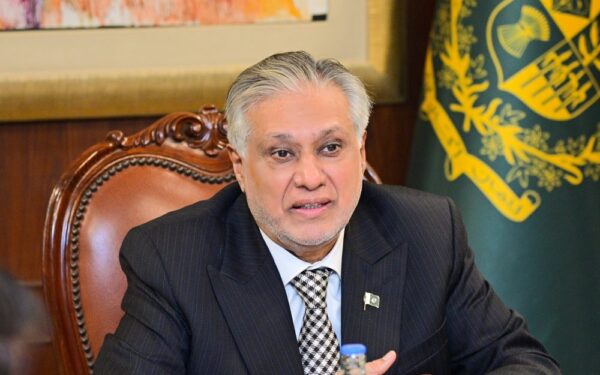
EU Ambassador Raimundas Karoblis stressed that Pakistan must demonstrate concrete progress in implementing and legislating international conventions required for continued GSP+ eligibility. He urged the business community, particularly exporters, to accelerate reform efforts and engage with the government on concerns raised by the European Commission regarding human and labour rights, governance, and environmental standards.
APTMA Chairman Kamran Arshad highlighted the significance of GSP+ for Pakistan, noting that it enables the country to export 78 percent of its goods to the European market duty-free. He emphasized the facility’s role in employment generation, investment, and technological upgradation, supporting Pakistan’s efforts to achieve net-zero carbon emissions by 2050.
Arshad warned that any loss of GSP+ could severely affect exports, costing the country more than Rs1 trillion annually. He also highlighted the potential impact on the banking, real estate, and transport sectors, as textile companies account for more than 40 percent of outstanding bank loans. He further warned that a disruption of the facility could undermine progress on labour rights, anti-corruption measures, and narcotics-control initiatives.
APTMA Chairman North Asad Shafi urged the ambassador to support efforts to fast-track a Pakistan-EU free trade agreement, similar to the India-EU FTA, as a safeguard against any possible lapse of GSP+. Shafi also briefed the ambassador on APTMA’s compliance initiatives, including its advocacy for a proposed National Compliance Entity, and reaffirmed the association’s commitment to addressing compliance gaps ahead of Pakistan’s GSP+ reapplication.
The EU delegation, comprising EU Ambassador Raimundas Karoblis, First Secretary Kert Ajamaa, Development Cooperation Manager Theis Munksgaard-Hansen, and Senior Economist/Trade Advisor Husnain A Iftakhar, met with senior office-bearers of APTMA, including Kamran Arshad and Asad Shafi, on Friday.
The discussions focused on the importance of continued cooperation and reform efforts to secure the renewal of GSP+. Both parties agreed that sustained engagement and collaboration would be crucial in ensuring the successful reapplication of the scheme.
Pakistan would have to demonstrate concrete progress in implementing and legislating international conventions required for continued GSP+ eligibility.
EU Ambassador Raimundas Karoblis, EU Ambassador
Any loss of GSP+ could severely affect exports, costing the country more than Rs1 trillion annually and potentially leading to mill closures and unemployment.
APTMA Chairman Kamran Arshad, APTMA Chairman