Key Takeaways
- The European Union will impose provisional import quotas and minimum prices for electrical steel and downstream products.
- The move aims to protect European producers, particularly Thyssenkrupp’s TKMS and Poland’s Stalprodukt SA.
- The new measures will apply from September 25 and are subject to a final investigation and decision.
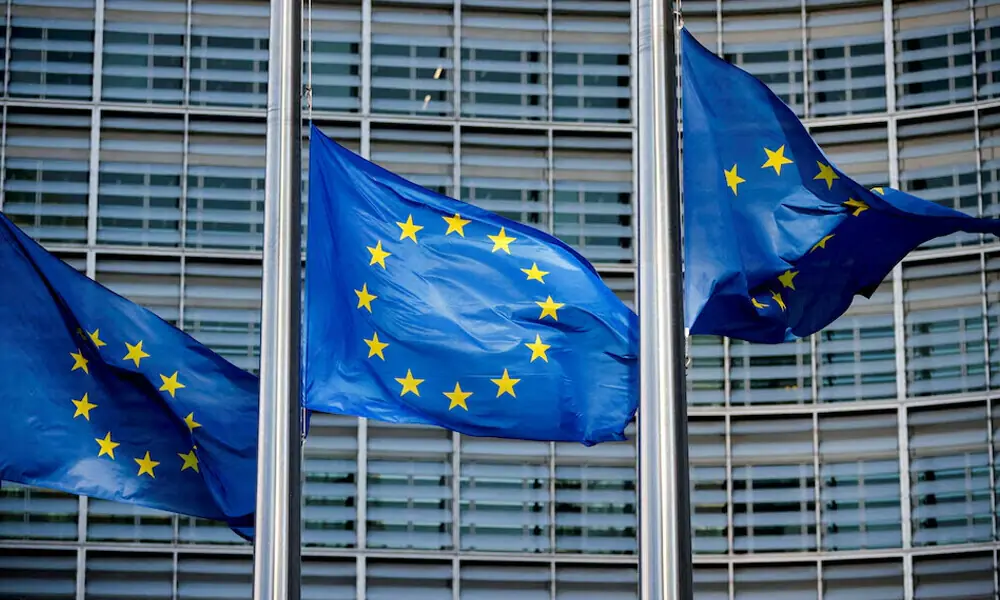
The European Union has announced plans to impose provisional import quotas and minimum prices for electrical steel and downstream products, effective from September 25. This decision is part of a broader effort to shield European producers from cheap imports, primarily from Asia.
According to the European Commission, the new measures will benefit the last remaining European producers of electrical steel, such as Thyssenkrupp’s steel unit TKMS and Poland’s Stalprodukt SA. These companies are crucial for maintaining production in Europe, particularly for use in wind turbines and power grids.
The minimum price for grain-oriented electrical steel (GOES) and related products will be set between €2,800 and €3,400 per metric ton within the quotas, rising to €3,500 per ton for volumes above the quota. This move is seen as a significant step to protect the European steel sector from intense competition, especially from China.
Thyssenkrupp had previously announced temporary production stops at its electrical steel sites in Germany and France due to excessive competition from rivals selling at 25% discounts. The company’s decision reflects the challenges faced by European producers in the face of low-cost imports.
The new measures are not the first of their kind. Since 2015, imports of electrical steel from China, Japan, Russia, South Korea, and the United States have been subject to anti-dumping measures, including minimum import prices. However, the new minimum prices are significantly higher and will apply to downstream products as well.
The European Commission launched an investigation into safeguards for GOES in March. The provisional measures are subject to a final investigation and decision, which will require a qualified majority of EU members to be imposed. Definitive measures will be decided based on the outcome of this investigation.
The move comes as the European industry increasingly calls for better protection against China, the EU’s second-largest trading partner after the United States. Automotive, chemicals, and steel firms are all facing significant pressure from low-cost competition.
China represented more than 50% of EU imports of electrical steel and its downstream products in 2025, highlighting the scale of the challenge faced by European producers. The new measures are expected to provide a temporary reprieve for struggling European producers, allowing them to compete more effectively in the global market.