Key Takeaways
- President Trump has extended an executive order imposing a $100,000 fee for H-1B visas for another year.
- The order faces legal challenges, with courts reviewing its legality.
- Critics argue the fee will make it harder for US companies to hire foreign workers, while supporters say it addresses skilled labour shortages.
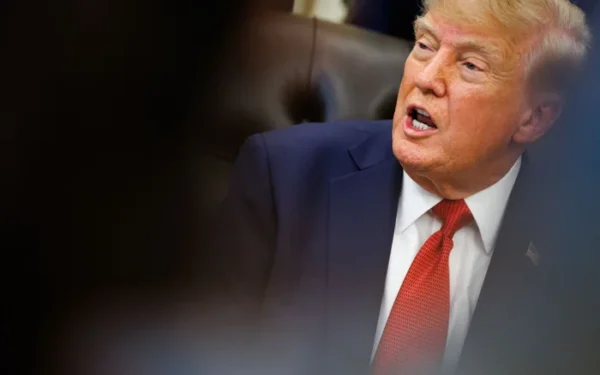
President Donald Trump has extended an executive order that would impose a fee of $100,000 for H-1B non-immigrant visas for another year, the White House announced on Friday. This move comes as part of Trump's aggressive immigration crackdown and his efforts to permanently raise the fee from between $2,000 and $5,000 to at least $100,000.
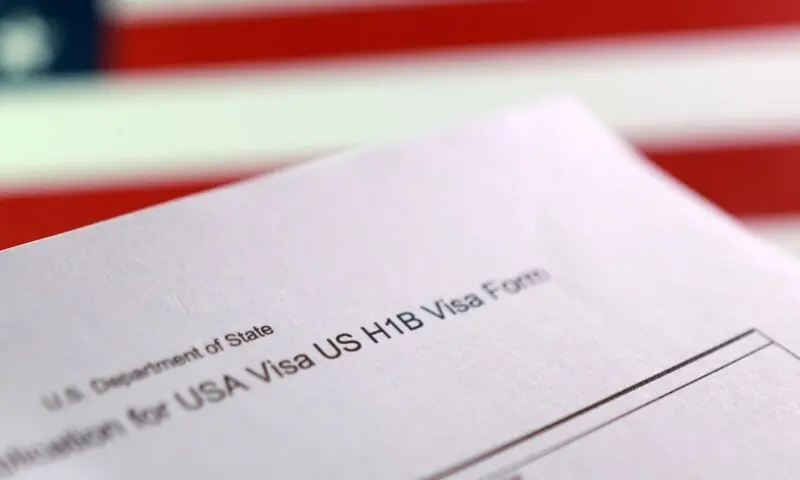
The H-1B visa programme allows US employers to hire skilled foreign workers for a few years, a crucial resource for tech and other industries. However, the proposed fee hike has faced legal challenges, with a Boston-based appeals court reviewing a June decision by a federal judge who deemed the higher fee illegal and blocked the government from collecting it.
Another court is considering whether a judge properly rejected a challenge to the fee by the US Chamber of Commerce, the largest US business lobbying group. Trump’s initial order for a fee hike, first released in September 2025, was set to expire this month but has now been extended.
Despite criticism that some companies use the visas to hire lower-paid foreign workers instead of Americans, business groups and companies argue that the visas help recruit highly skilled professionals and address a lack of qualified US workers in certain industries. The visas, established by Congress in 1990, are especially critical for tech companies seeking to recruit from India and China.
Changes to how potential visa holders are scrutinised and processed have impacted companies' hiring and expansion plans. Some top H-1B users, such as Google parent company Alphabet, have moved to increase operations in India to mitigate the effects of the fee hike.
Critics of the fee argue that it will make it harder for US companies to access the skilled labour they need, potentially slowing down innovation and economic growth. However, supporters contend that the higher fee is necessary to ensure that the programme is used for its intended purpose and to address the shortage of qualified US workers in certain sectors.
The extension of the executive order means that US employers will continue to face the prospect of a significantly higher fee for H-1B visas, which could have significant implications for the tech industry and other sectors reliant on foreign talent. The legal challenges to the order highlight the ongoing debate over immigration policy and its impact on the US economy.