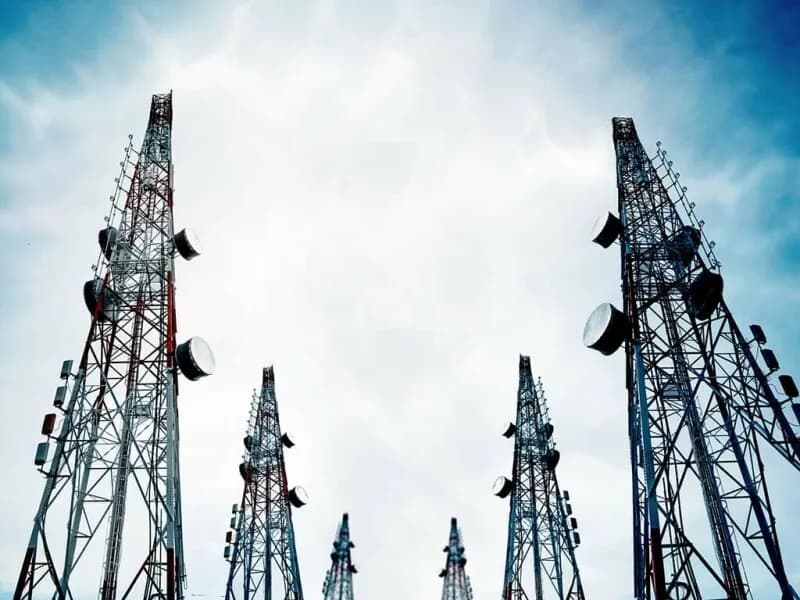
The Pakistan Telecommunication Authority (PTA) has proposed a phased transition for telecom towers to alternative energy solutions, such as solar power, battery storage, and hybrid systems. The move aims to decrease reliance on diesel, tackle frequent power outages, and improve the reliability of the network.
The authority is inviting telecom operators and infrastructure providers to submit time-bound plans to shift Base Transceiver Stations (BTS) to these alternative sources. Rather than imposing uniform conversion targets on every site, the PTA is proposing a technology-neutral and industry-led framework.
Under the proposed framework, cellular mobile operators (CMOs) would identify sites experiencing prolonged power outages and assess the technical and commercial viability of alternative energy. Operators would then provide investment plans and implementation timelines spanning one, two, or three years.
The PTA has specifically highlighted the need to address high-outage sites, which it defines as locations experiencing outages of 5% or more during a month. The regulator is seeking industry views on whether renewable energy installations should be mandatory at these specific locations.
The proposed solutions include solar power, solar-battery systems, and solar-diesel-battery hybrid arrangements, depending on the specific requirements, lifecycle costs, and network characteristics of each site. However, the PTA stated that the deployment of alternative energy should not compromise services during the night, in cloudy weather, during snowfall, or when solar generation is inadequate. Consequently, adequate battery backup and other arrangements must remain in place to ensure uninterrupted connectivity.
The regulator noted that a uniform renewable-energy obligation for every BTS site may not be practical due to differences between reliable-grid, weak-grid, and off-grid locations. Instead, the PTA is considering regulatory facilitation for operators who meet energy-efficiency or renewable-energy benchmarks, along with an annual recognition mechanism for companies showing progress.
The consultation also explores shared renewable-energy systems and energy-management infrastructure at sites used by multiple operators to reduce investment duplication. Furthermore, the PTA has called for coordination with energy-sector institutions, including NEPRA and power distribution companies, to improve electricity reliability for telecom infrastructure.
The proposed roadmap will initially focus on establishing an industry-wide energy baseline, identifying critical outage sites, reducing diesel dependency, and monitoring operator commitments before any further regulatory targets are considered. Stakeholders, including telecom operators, tower companies, energy-service providers, equipment manufacturers and government agencies, have been invited to submit comments by December 7, 2026.