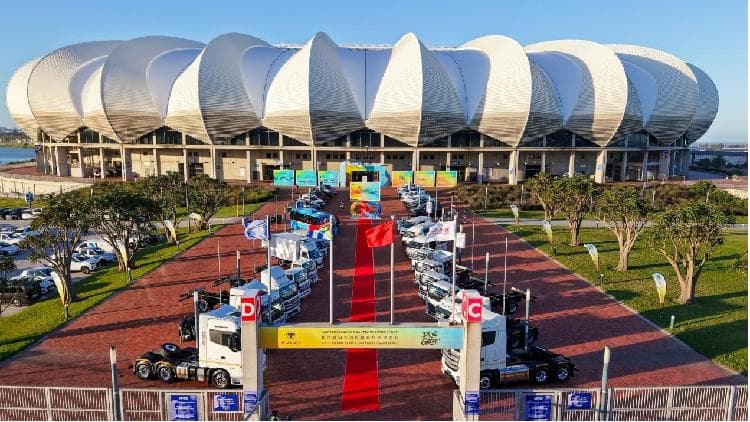
More than 700 delegates from over 20 African countries gathered at the Nelson Mandela Bay Stadium in Gqeberha, South Africa, on 28 October for a major automotive partnership conference.
The BAIC FOTON International automotive partnership conference, held under the theme “Drive to Great,” focused on long-term collaboration between China and Africa. Lulama Siqithi stated that Chinese automakers have successfully introduced powerful, technologically advanced vehicles capable of handling challenging African terrains and road conditions.
Siqithi noted that these technologies provide significant advantages for Africa’s mining industry and long-distance logistics routes stretching from Cape Town to Cairo. The conference highlighted how adapting vehicles to harsh local climates and road conditions can improve after-sales coverage while reducing costs for households and businesses.
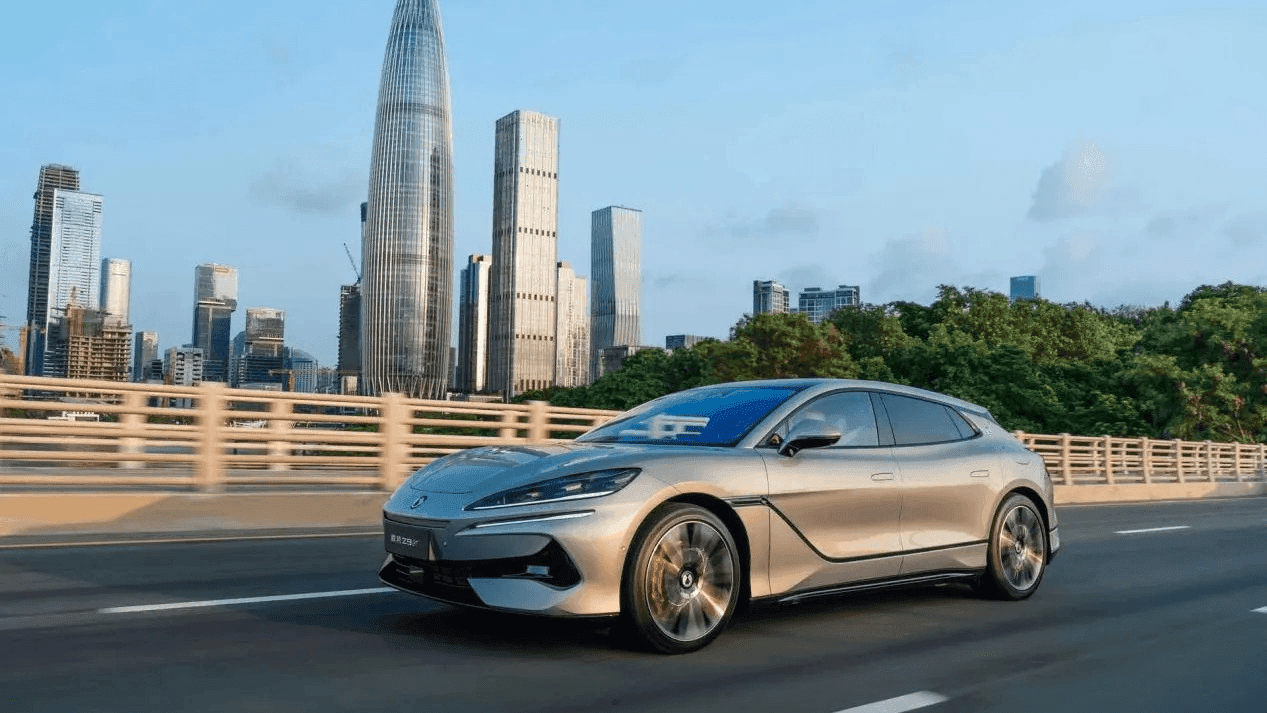
Wu Zongtian claimed that Africa has immense potential for new energy vehicles because the total cost of ownership for electric cars is more competitive than traditional fuel vehicles during global energy price fluctuations. Wu added that the cooperation involves more than just vehicle delivery, as they work with local partners to create full ecosystem solutions including customized battery configurations and charging infrastructure.
Marius Small said, "The value proposition of Chinese vehicles stands out greatly in South Africa’s current economic environment. They deliver equivalent quality to traditional brands with cost-effective performance, which perfectly suits local businesses amid high fuel costs and economic pressure." Small also confirmed that 65 local dealers are currently operating across the country to provide full lifecycle support and reliable service for users.
The event resulted in pragmatic cooperation outcomes regarding localized production, automotive financial services, and cross-border spare parts supply with countries including Mozambique, Ethiopia, Kenya, and Zambia. Chinese automakers are deepening localized investment through a landmark manufacturing cooperation project in Gqeberha’s Coega Special Economic Zone to nurture local industrial chains and create jobs.
Siqithi expressed a desire for deeper partnerships and technological empowerment to drive growth across the continent.