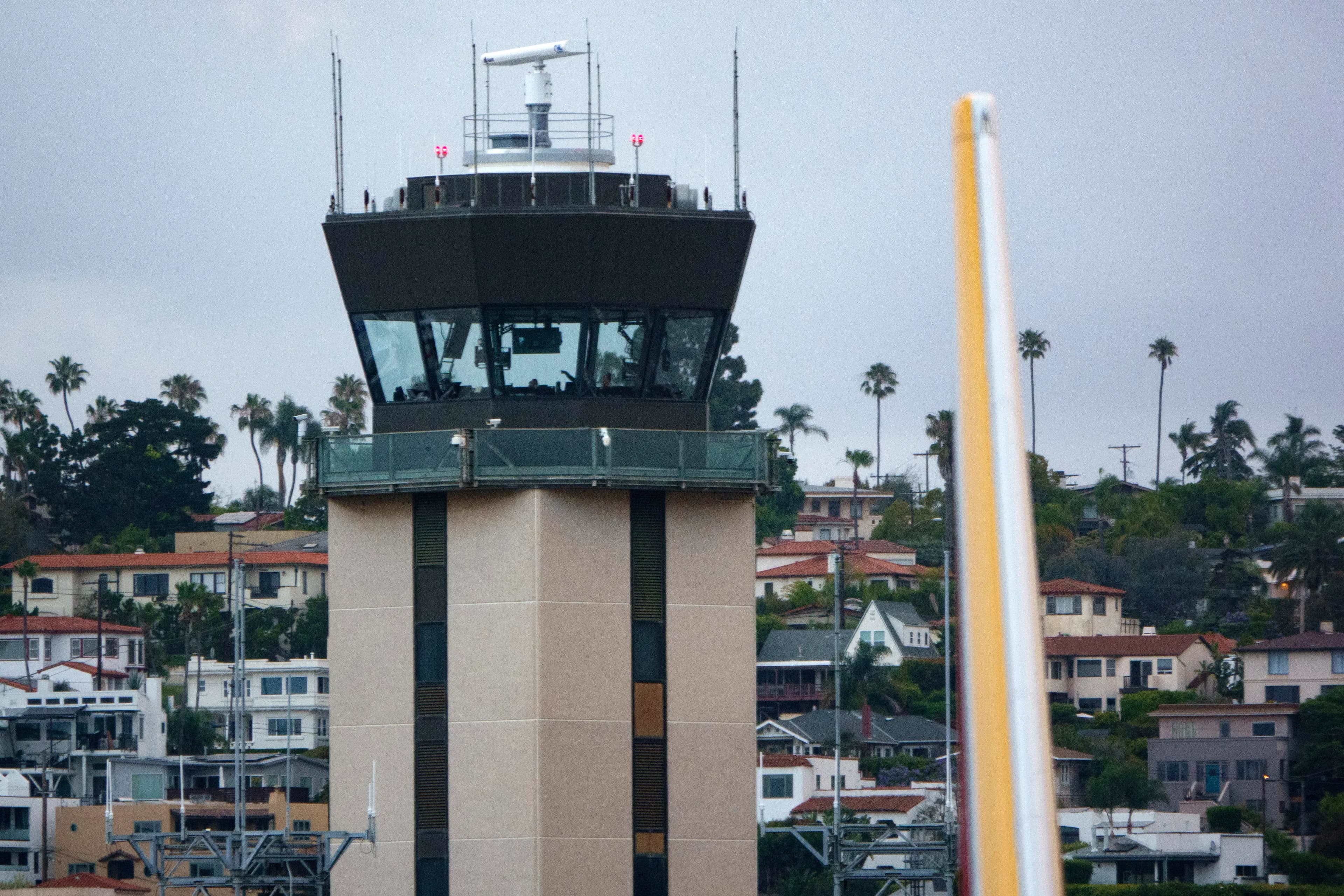
Transportation Secretary Sean Duffy announced on Thursday that the Federal Aviation Administration (FAA) is rolling out the Enterprise – Information Display System (E-IDS) to replace four legacy setups across more than 400 air traffic control facilities. The new digital system is intended to replace archaic physical storage media and manual workflows by aggregating real-time weather alerts, equipment outages, restricted airspace changes, and pilot reports onto a modern digital dashboard.
The FAA has already begun upgrades at five sites, which include control hubs in Atlantic City, Nashville, Rochester, Atlanta, and Salt Lake City. The agency has set a target to complete the rollout across 435 facilities by the end of 2028. In a release, Duffy stated, “Good news America: floppy disks are out, 21st century tech is in.”
The move addresses a system that has been criticized for its age. A Government Accountability Office report from September 2024 found that 90 percent of the nation’s critical air traffic control infrastructure was due or past due for a “technology refresh.” That report also noted that nearly half of the 138 systems surveyed were “considered unsustainable” or “potentially unsustainable” because of a lack of spare parts, insufficient maintenance expertise, or funding shortfalls.
While Duffy has used the FAA's reliance on “copper wires and floppy disks” as a symbol of government obsolescence to explain air travel disruptions, the E-IDS project is not a new initiative. The initial contract for the system was awarded to the defense contractor Leidos in August 2020 during the first Trump administration.
The reporter notes that while replacing information systems with digital panels is relatively low-hanging fruit, it does not address broader systemic crises. These include a deficit of thousands of certified professional controllers and recent issues such as ground stops, runway close calls, and the 2023 NOTAM outage.
To address these broader issues, Duffy has lobbied Congress for an additional $30 billion on top of the $12.5 billion “down payment” received in 2025. As part of his modernization plan, the USDOT has focused on recruiting gamers for controller roles and is relying on tech allies including Elon Musk and Peter Thiel to assist with the cleanup.