Key Takeaways
- Toyota and Honda raised prices of their hybrid vehicles by over Rs1.3 million.
- Local assemblers have suspended invoicing and deliveries pending the new auto policy.
- The government has yet to notify the Auto Policy 2026-31 despite its expiry.
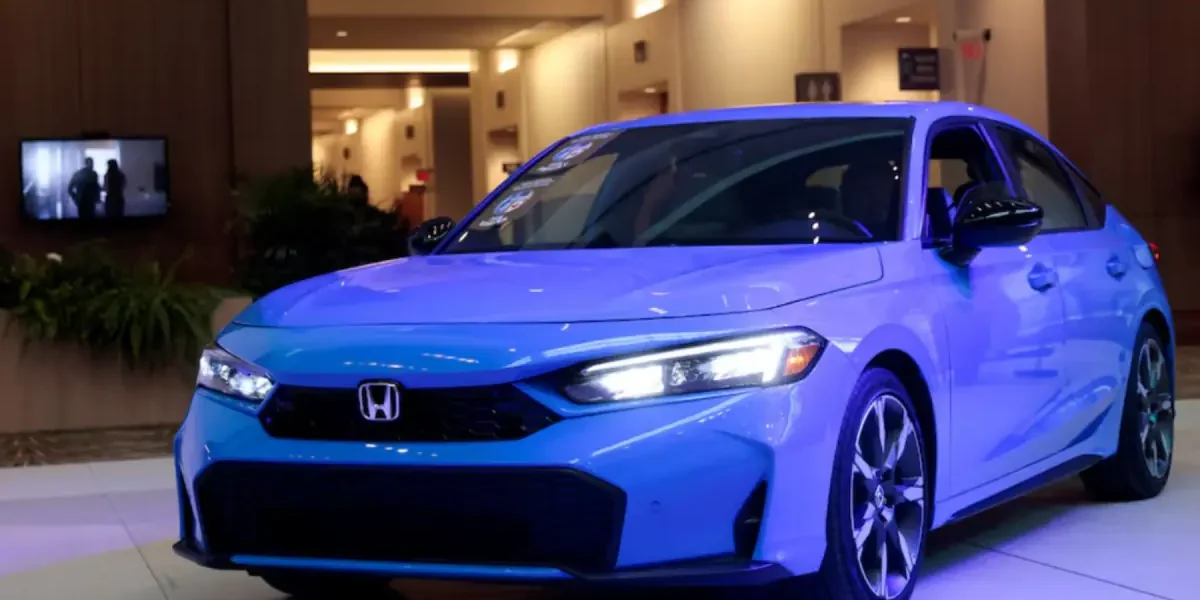
With the general sales tax (GST) on hybrid vehicles increasing from 8.5% to 25% in the budget for fiscal year 2027, local assemblers have begun raising prices of electrified vehicles. Indus Motor Company has increased the price of its Toyota Corolla Cross HEV models by Rs1.364 million and Rs1.314m, bringing their respective costs to Rs10.299m and Rs9.849m.
Similarly, Honda Atlas Cars Limited has raised the HR-Ve model's price by Rs1.370m to Rs10.369m. Other assemblers have reportedly halted invoicing and delivery of hybrid vehicles in anticipation of changes in the new auto policy or a potential reduction in GST.
The massive increase in HEV prices may slow demand for these vehicles, while PHEVs are also expected to see price hikes following the GST hike. This could undermine the government’s objective of promoting fuel-efficient vehicles as many consumers might find it difficult to pay an additional Rs1.3-1.9m for electrified models.
Assemblers have remained tight-lipped about the status of the new auto policy, despite claims by the government that its draft has been prepared and shared with stakeholders. The finance minister had announced on June 12 that the Auto Policy 2026-2031 was being vetted by a committee formed by the prime minister and would be presented to parliament after approval.
However, the policy remains unannounced as of now. Asad Ali from Topline Securities stated that the revised auto policy, which is expected to outline a new incentive structure for the sector, has yet to be notified. The finance minister also extended the incentive on imports of completely knocked down (CKD) kits for electric vehicles until June 30, 2027.
The government has implemented SRO 1064(I)/2026, superseding SRO 1152(I)/2025, with effect from July 1, 2026. This notification implements the second-year tariff rationalisation plan under the National Tariff Policy (NTP) 2025-30 and has reduced regulatory duty (RD) across almost all categories, capping it at a maximum of 20%.
The highest RD slab previously stood at 50%, applying to various automobile categories including imported SUVs, 4x4s, and other large-engine vehicles. Excluding automobiles, the highest reduction in regulatory duty has been observed across different product categories.