Key Takeaways
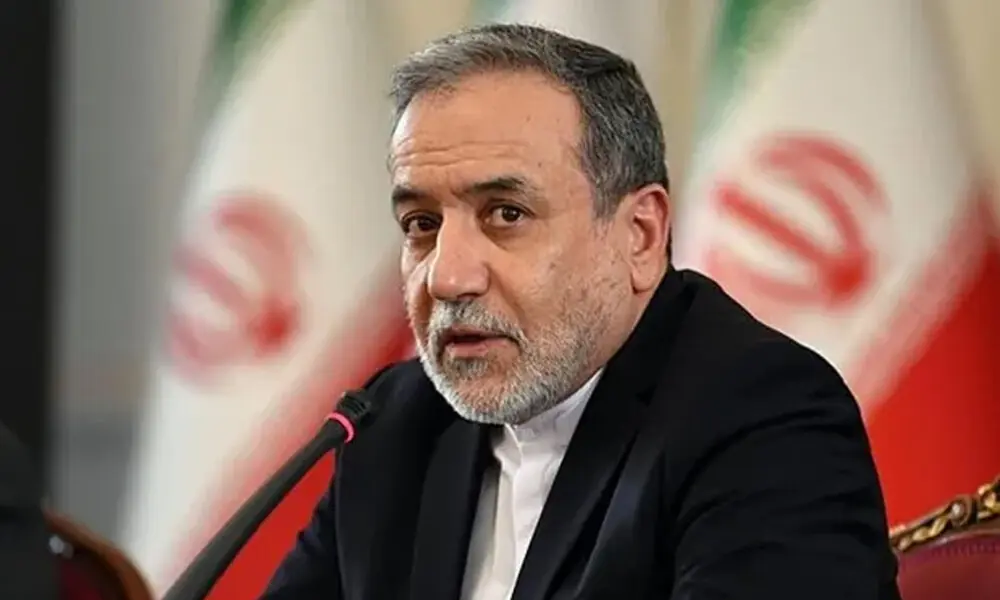
- Iranian Foreign Minister Abbas Araghchi mocked President Trump's proposal to impose charges.
- Trump reinstated a blockade on Iranian shipping in the Gulf, citing security concerns.
- Tensions escalated as Iran closed the strait and both sides exchanged missile and drone attacks.
Iranian Foreign Minister Abbas Araghchi has dismissed US President Donald Trump's proposal to charge fees for ships passing through the Strait of Hormuz. In a social media post, Araghchi stated that Iran would impose lower rates compared to what Trump proposed, which was 20%. 'POTUS is absolutely right. Whoever provides secure and safe passage of commercial vessels through the Strait of Hormuz should be compensated for this service,' he wrote, adding, 'Iran has always been the GUARDIAN of the Strait and will remain so FOREVER.'
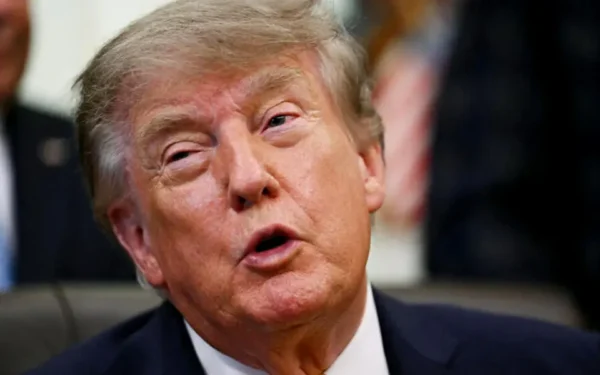
In response to Iran's actions, Trump reinstated a blockade on Iranian shipping in the Gulf. He declared that the Strait of Hormuz would remain open, stating, 'The Hormuz Strait is OPEN, and will remain OPEN, with or without Iran. We are reinstating THE IRANIAN BLOCKADE.' Trump also announced that the United States would be known as 'THE GUARDIAN OF THE HORMUZ STRAIT' and would charge 20% on all cargo shipped through the strait.
Iran's top joint military command rejected any US involvement in determining the future of the vital shipping route. In a statement, they said, 'The USA has no role in determining the future of this vital shipping route.' The Revolutionary Guards also retaliated by targeting US military facilities in Bahrain and Kuwait, destroying radar systems in Oman, and hitting fuel tanks and ammunition depots at Prince Hassan Air Base in Jordan.
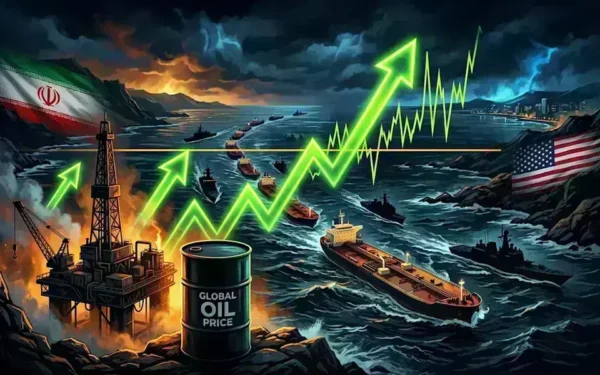
The escalating tensions between the two nations have raised concerns about the stability of oil prices. The latest hostilities followed Iran's announcement that it was closing the strait, which cast doubt on an interim deal to halt the ongoing conflict in the Middle East. Oil prices surged as a result of these developments.
Both sides accused each other of initiating attacks. Iran claimed responsibility for targeting US military facilities and destroying radar systems, while the US military stated that they had struck Iranian air defence systems, coastal radar sites, missile and drone capabilities, and small boats on Sunday using aircraft, naval vessels, and drones.
The situation in the Strait of Hormuz remains tense as both nations continue to assert their dominance over the vital shipping route. The dispute highlights the ongoing geopolitical tensions between Iran and the United States, with implications for global oil markets and regional stability.
As negotiations and hostilities continue, the future of the Strait of Hormuz remains uncertain. Both sides have shown a willingness to use force to achieve their objectives, raising concerns about potential conflicts in the region.
POTUS is absolutely right. Whoever provides secure and safe passage of commercial vessels through the Strait of Hormuz should be compensated for this service.
Abbas Araghchi, Iranian Foreign Minister
The Hormuz Strait is OPEN, and will remain OPEN, with or without Iran. We are reinstating THE IRANIAN BLOCKADE.
Donald Trump, US President