Key Takeaways
- The World Wildlife Fund USA commended Punjab Chief Minister Maryam Nawaz Sharif for setting up the Panjnad Indus River Dolphin Sanctuary.
- This sanctuary, covering 123 miles of the Indus River, aims to protect and increase the population of endangered dolphins.
- Approximately 660 Indus River dolphins are currently found in Punjab, with over half within the new protected area.
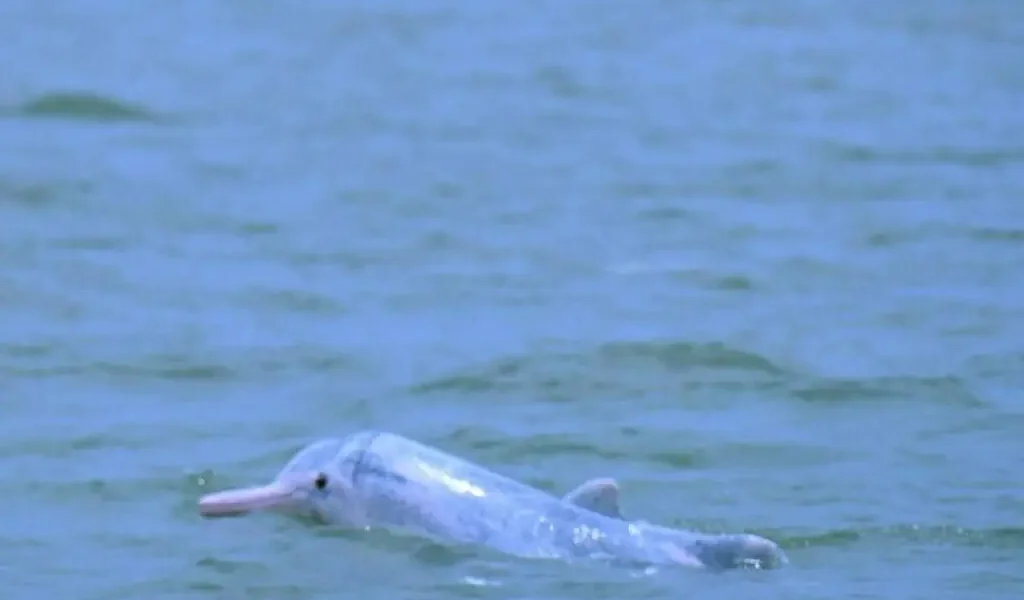
The World Wildlife Fund (WWF) USA has expressed its approval for a significant environmental initiative launched by Punjab Chief Minister Maryam Nawaz Sharif. The establishment of the Panjnad Indus River Dolphin Sanctuary is seen as a landmark step in the conservation efforts aimed at protecting and increasing the population of the endangered Indus River dolphin.
The sanctuary, which covers approximately 123 miles along the Indus River, was initiated by Senior Provincial Minister Mariyum Aurangzeb under the directives of Chief Minister Maryam Nawaz Sharif. This protected area includes the historic confluence where Punjab’s five rivers meet, providing a critical habitat for these rare freshwater species.
According to experts, only about 2,000 Indus River dolphins remain worldwide, with nearly 80 percent of their natural habitat lost over the past century due to dam construction and other river alterations. The sanctuary is expected to play a crucial role in reversing this trend by providing a safe haven for these endangered animals.
Punjab currently hosts approximately 660 Indus River dolphins, with more than 600 recorded within the province. Over two-thirds of these dolphins are found within the newly established sanctuary area. The project to declare the sanctuary as a protected natural habitat was initiated by Mariyum Aurangzeb and is seen as a significant milestone in conservation efforts.
The Indus River dolphin faces serious threats from increasing river pollution and alterations to the natural river system, which have led to a steady shrinkage of their habitat. The establishment of this sanctuary is expected to help mitigate these risks and ensure the survival of the species.
While the project has received positive feedback from environmental organizations like WWF-USA, it remains to be seen how effective the measures will be in the long term. However, the initiative marks a significant step forward in the conservation efforts for this critically endangered species.