Key Takeaways
- The Senate Standing Committee on Economic Affairs has called for tighter oversight of Rs90 trillion in debt and liabilities.
- Critics warn that external borrowing is not always used where it is most needed, citing discrepancies in project distribution.
- Officials from Khyber Pakhtunkhwa briefed lawmakers on road projects and flood rehabilitation schemes.
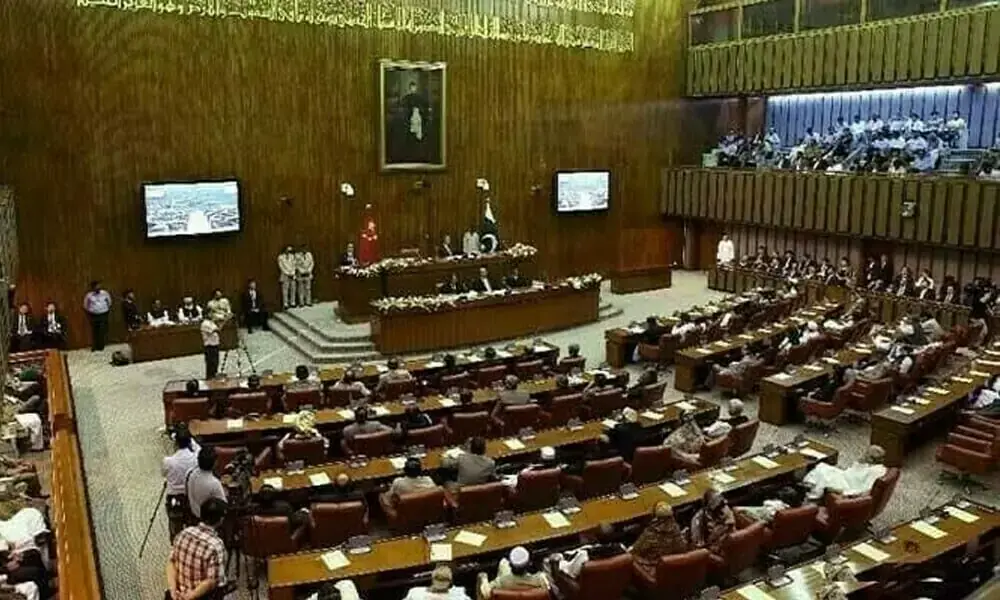
The Senate Standing Committee on Economic Affairs has called for increased scrutiny of foreign-funded development projects in Pakistan, amid growing concerns over the country’s mounting debt burden. The committee, chaired by Saifullah Abro, examined projects including road infrastructure, flood rehabilitation and irrigation schemes in Khyber Pakhtunkhwa.
Abro criticised the continued rise in external borrowing, stating that borrowed resources are not always being utilised where they are most needed. He noted that Pakistan’s debt has increased from around Rs40 trillion in 2022 to approximately Rs90 trillion at present, warning of serious economic challenges posed by this surge.
Lawmakers questioned the criteria used for allocating funds in flood-affected districts, noting discrepancies in project distribution. Mardan had received the highest number of road projects despite not being among the worst flood-affected areas, while Upper Dir, Lower Dir and Chitral received comparatively fewer schemes. Rubina Khalid highlighted that 16 road projects were allocated to Mardan, but only 12 kilometres of roads had been constructed in Dir.
Senator Hidayatullah questioned why nine roads had been built in Peshawar, which was not among the flood-hit districts, and sought details on the selection criteria. Members also expressed concern that donor agencies might have received inaccurate assessments of project priorities.
Officials from the Khyber Pakhtunkhwa Communication and Works Department informed the committee that most district road projects had been completed, with 63 schemes nearing completion across the province. The total length of completed or ongoing roads stood at around 488 kilometres.
Kamil Ali Agha stressed the need for future infrastructure planning to account for climate change risks, particularly in the design of storm-water drainage systems. Abro also questioned the concentration of construction contracts among a few firms and directed officials to provide complete details of the Notice Inviting Tender (NIT).
During a separate briefing on the Khyber Pakhtunkhwa road rehabilitation and upgradation project, officials said that an agreement with the Asian Development Bank (ADB) had been signed in 2018. The committee was informed that rehabilitation and upgrading of 249.5 kilometres of roads had been completed under the project, while all 10 schemes under the KP provincial roads project had been completed and opened to traffic.
Water-sector projects worth USD387 million were being implemented in Khyber Pakhtunkhwa with ADB assistance, while additional projects worth USD295 million were being carried out with World Bank financing. The ADB-supported Flood Emergency Rehabilitation Project remains under implementation, with completion targeted for June 2027.