Key Takeaways
- Iran renewed attacks on US allies in the Gulf after a seventh consecutive night of US strikes.
- Oil prices increased by over four percent, putting political pressure on US President Donald Trump.
- Both sides targeted shipping traffic, with the US enforcing a naval blockade and Iran accusing vessels of violating rules.
Iran launched renewed attacks on US Gulf allies on Saturday after a seventh consecutive night of US strikes targeting Iranian military sites, including logistics infrastructure. The escalation comes one week after a fragile ceasefire agreement between the two nations fell apart.
Both sides also took aim at shipping traffic, with the United States enforcing a naval blockade and Iran accusing vessels of violating its rules for navigating the Strait of Hormuz, a vital waterway for one-fifth of the world's oil supply. Oil prices climbed more than four percent on Friday to their highest level in over a month.
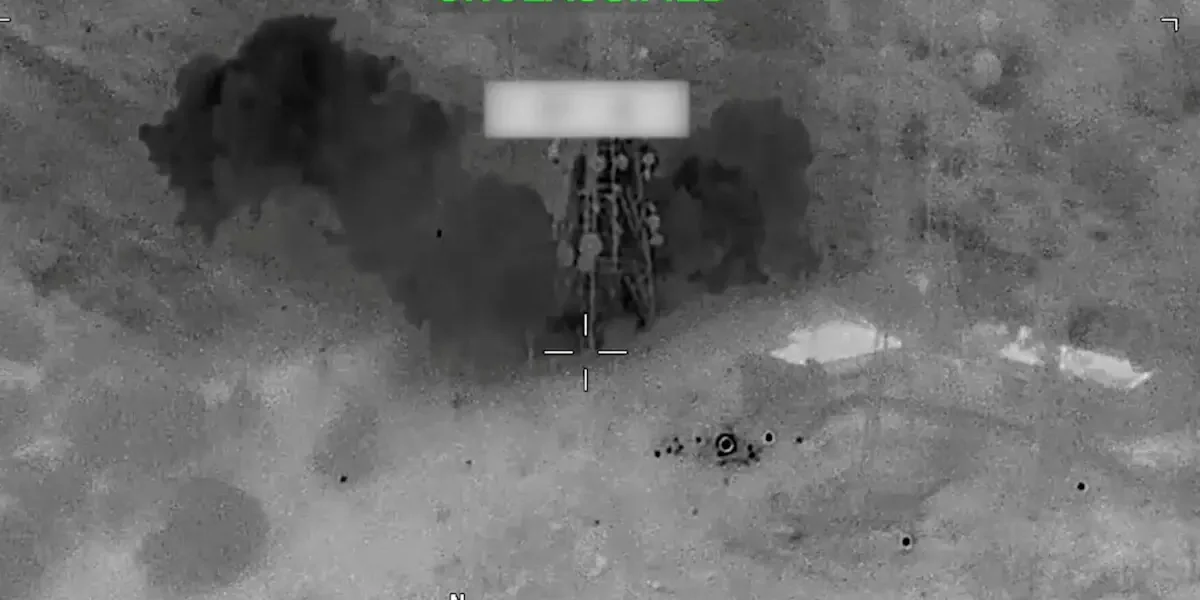
The US military’s Central Command stated that it concluded its latest round of attacks by hitting surveillance sites, military logistics infrastructure, underground weapons storage, and maritime capabilities. 'US forces employed fighter aircraft, aerial drones, and warships in addition to other assets,' the statement read. More than 50,000 American service members are operating across the Middle East and remain vigilant, lethal, and ready.
Iranian media reported that several missiles struck power facilities and desalination pumps in the southern Iranian city of Jask, citing a local official. The official said drinking water had been cut off in villages in Jask due to the attack. In response, Iran’s Revolutionary Guards said four vessels violating its rules on shipping traffic were stopped from going through the strait with a combined missile and drone operation.
The US said its forces redirected four commercial vessels, disabled one, and boarded another to enforce its naval blockade of Iran. In turn, Iran's Revolutionary Guards reported that two oil tankers exploded and caught fire after passing through a mined route south of the strait. The US military labelled this report as false.
Armed men seized another vessel off Yemen, raising concerns over security in the Middle East’s other big choke point for oil shipments at the mouth of the Red Sea. Iran's state television quoted the Revolutionary Guards as saying that until US 'aggression' comes to an end, it will not be possible to export chemical fertilisers or even a 'single drop of oil and gas' from the region.
Mohsen Rezaei, an adviser to Iran’s supreme leader, warned against US escalation or any attempt to seize Iranian territory. Iran's army said it struck US military targets in Kuwait and Jordan in response to American attacks, according to a statement carried by the Iranian state broadcaster on Saturday.