Key Takeaways
- China’s June aluminium imports declined by 17.4% year-on-year.
- Imports of unwrought and alloyed aluminium fell to 250,000 metric tons in June.
- Chinese exports of aluminium reached a record high in June.
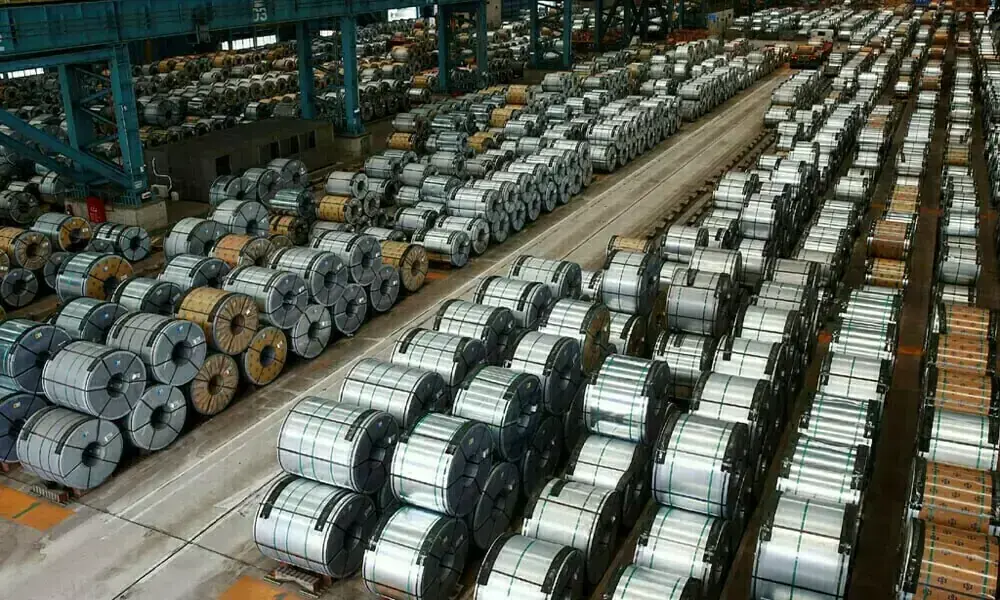
China's imports of unwrought aluminium and its products declined by 17.4% year-on-year in June, according to data from the General Administration of Customs. The volume dropped to 250,000 metric tons during the month, reflecting an unfavourable import arbitrage that made overseas aluminium more expensive than domestically produced metal.
The decline in imports was part of a broader trend: first-half 2026 imports totalled 1.88 million tons, down 5.1% from the same period last year. This reduction is attributed to higher prices on the London Metal Exchange and physical premiums that widened losses for Chinese importers during the second quarter.
Traders noted that Russian producer Rusal attempted to redirect some cargoes away from China towards Japan and other Asian markets, where buyers were paying higher premiums. For instance, Japanese aluminium buyers agreed to pay a premium of $395 per ton over the benchmark price for shipments in the third quarter, up 13% from the already high $350 premium in the second quarter.
Despite the decline in imports, China's exports saw an increase. Unwrought aluminium and product exports climbed to a record high in June, indicating strong domestic production and demand. The National Bureau of Statistics reported that China produced 3.98 million tons of primary aluminium in June, up 4.7% from the previous year.
Meanwhile, bauxite imports, a key raw material for aluminium, rose by 12.6% year-on-year to 20.32 million tons in June. First-half 2026 imports reached 120.93 million tons, up 17.4% from the same period last year. This suggests that despite lower import volumes of aluminium itself, China is still actively sourcing raw materials for its production.
The global market for oil also saw significant fluctuations in June, with prices surging over 4%. According to Business Recorder, Brent crude futures settled at $88.10 a barrel, up 4.59% from the previous day, while US West Texas Intermediate futures rose to $82.49, gaining 4.48%. Both benchmarks were at their highest since mid-June and saw gains of about 16% for the week.
The surge in oil prices was driven by renewed hostilities between the United States and Iran, with both countries stepping up attacks across the Gulf. The US struck bridges and an airport in Iran, while Tehran retaliated against a power and desalination plant in Kuwait. Iran also launched more strikes on US facilities in the Middle East, including its first direct attack in Syria.
Analysts noted that the market is reacting to increasing hostilities between Iran and the United States, which have culminated with nightly attacks on Iranian infrastructure and retaliation by Iran on its neighbors' infrastructure. The potential threat of a Red Sea closure further added to the tension, potentially impacting shipping routes and driving up oil prices.