Key Takeaways
- Wildfires are becoming more intense due to climate change.
- Firefighters must ration resources and decide which blazes to fight.
- Commanders compare their role to doctors in emergency rooms.
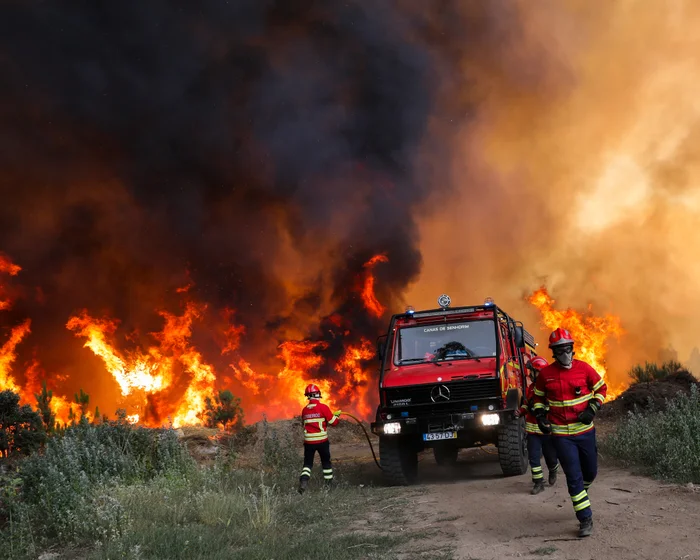
As the climate crisis intensifies, wildfires are pushing firefighters into increasingly difficult situations. César Alcaraz, a seasoned officer with Alicante’s provincial firefighters, reflects on his experiences over nearly three decades. In the late 1990s, he found himself ambushed by a fast-moving blaze in Spain's Montgó mountain region, barely able to breathe and with no more water left in his truck.
Alcaraz recalls fleeing an inferno, wishing for additional support from his superiors. However, as a commander now, he has developed a deeper understanding of the challenges faced by firefighters. 'When wildfires overwhelm an area,' Alcaraz explains, 'my job resembles that of a doctor in an emergency room with too few ventilators.'
The intensity and frequency of these blazes have forced firefighters to make impossible choices. With limited resources, they must prioritize which areas to protect, often leading to agonizing decisions. Alcaraz emphasizes the need for better support systems: 'It’s only going to get worse,' he warns, 'and we need more resources to manage these situations effectively.'
The Guardian reports that as wildfires continue to spread to new parts of the world, the pressure on firefighters is mounting. The article highlights the global impact of climate change, with increasing instances of extreme weather conditions leading to more intense and unpredictable fires.
Alcaraz’s experience underscores the broader issue faced by firefighting teams worldwide. 'We are seeing a shift in where these blazes occur,' he notes, 'and it is becoming increasingly difficult to predict and prepare for them.'
The article also mentions that firefighters often face logistical challenges such as limited water supplies and inadequate equipment. These constraints exacerbate the difficulty of making critical decisions during emergencies.
Alcaraz’s reflections highlight the urgent need for improved infrastructure and resources in firefighting operations. 'We need more personnel, better training, and advanced technology to handle these situations,' he asserts. The situation is not only challenging but also potentially life-threatening, as firefighters risk their lives daily to protect communities.
The Guardian article concludes by emphasizing the critical role of international cooperation in addressing this global crisis. Alcaraz calls for a coordinated effort among nations to share knowledge and resources, stating: 'We need to work together to find solutions that can save lives.'
In summary, as wildfires become more frequent and intense due to climate change, firefighters are increasingly forced into making impossible choices. The situation requires urgent attention and investment in better resources and support systems.
'It’s only going to get worse,' he warns, 'and we need more resources to manage these situations effectively.'
César Alcaraz, Officer with Alicante’s provincial firefighters