Key Takeaways
- The UN General Assembly has extended discussions on Security Council reform.
- Pakistan advocates for reducing differences in the ongoing negotiations.
- The talks will resume during the 81st session in September.
The United Nations General Assembly (UNGA) has decided to extend discussions on Security Council reform, moving the Intergovernmental Negotiations (IGN) into its upcoming 81st session scheduled for September. This decision was made after the UNGA unanimously agreed to 'roll over' the ongoing talks.
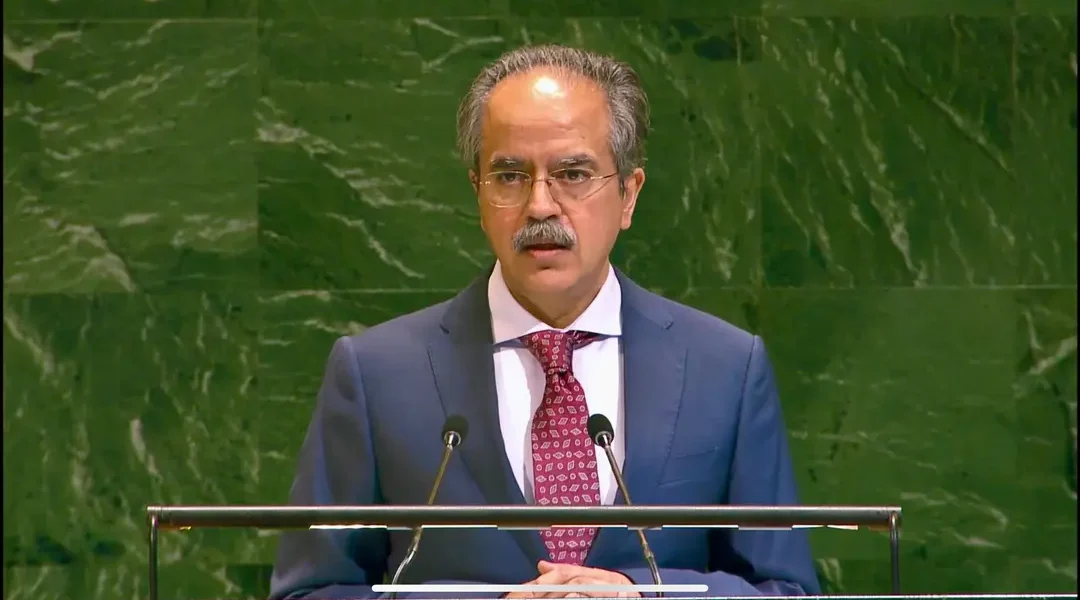
Pakistan, a key player in these negotiations, has emphasized that the process is the only legitimate forum for restructuring the 15-member Security Council to enhance its effectiveness. The country's representative at the UN has stated that reducing differences among member states is crucial for making progress.
During previous sessions, Pakistan has consistently pushed for greater inclusivity and representation in the Security Council. According to a statement by the Pakistani delegate, 'The current format of the IGN provides an opportunity for all member states to contribute meaningfully towards reforming the Security Council.'
While the exact details of the discussions remain confidential, sources indicate that Pakistan is particularly focused on addressing issues related to veto power and the representation of smaller nations. The country's representative has highlighted the need for a balanced approach that ensures no single nation holds disproportionate influence over global security matters.
The extension of these talks into the 81st session comes at a critical time when many member states are looking for ways to address long-standing issues within the Security Council. Pakistan’s push for reducing differences is seen as a step towards achieving consensus among diverse viewpoints.
Despite the challenges, the UNGA's decision reflects its commitment to finding a solution that can gain broad support. The upcoming session will provide an opportunity for member states to engage in constructive dialogue and work towards concrete outcomes.
As the 81st session approaches, all parties involved are expected to remain committed to the process. Pakistan’s continued advocacy is likely to play a significant role in shaping the direction of these discussions.