Key Takeaways
- The National Highway Traffic Safety Administration (NHTSA) has announced plans to mandate robust door egress systems in all vehicles.
- This decision follows complaints about Tesla's electronic door handles, which have been linked to several deaths.
- All new vehicles would be subject to the new requirements if finalized.
The National Highway Traffic Safety Administration (NHTSA) has issued a notice stating that complaints regarding Tesla’s mechanical door release mechanisms do not warrant a defect investigation. Instead, the agency is proposing broader safety regulations for all motor vehicles, aiming to mandate 'a robust and obvious door egress system' in every new vehicle.
In a statement published today, NHTSA emphasized that the issue of electronic door handles, which have been linked to several fatalities, should be addressed through comprehensive rulemaking rather than individual defect investigations. The agency stated: ‘We believe this is better handled through a broader rulemaking process that would apply to all vehicles, not just those with specific electronic door handle systems.’
The proposed regulations are designed to ensure that all vehicle occupants can easily and safely exit the vehicle in emergency situations. According to NHTSA, the new requirements will mandate clear and unambiguous mechanisms for opening doors, ensuring that drivers and passengers have a reliable means of escape.
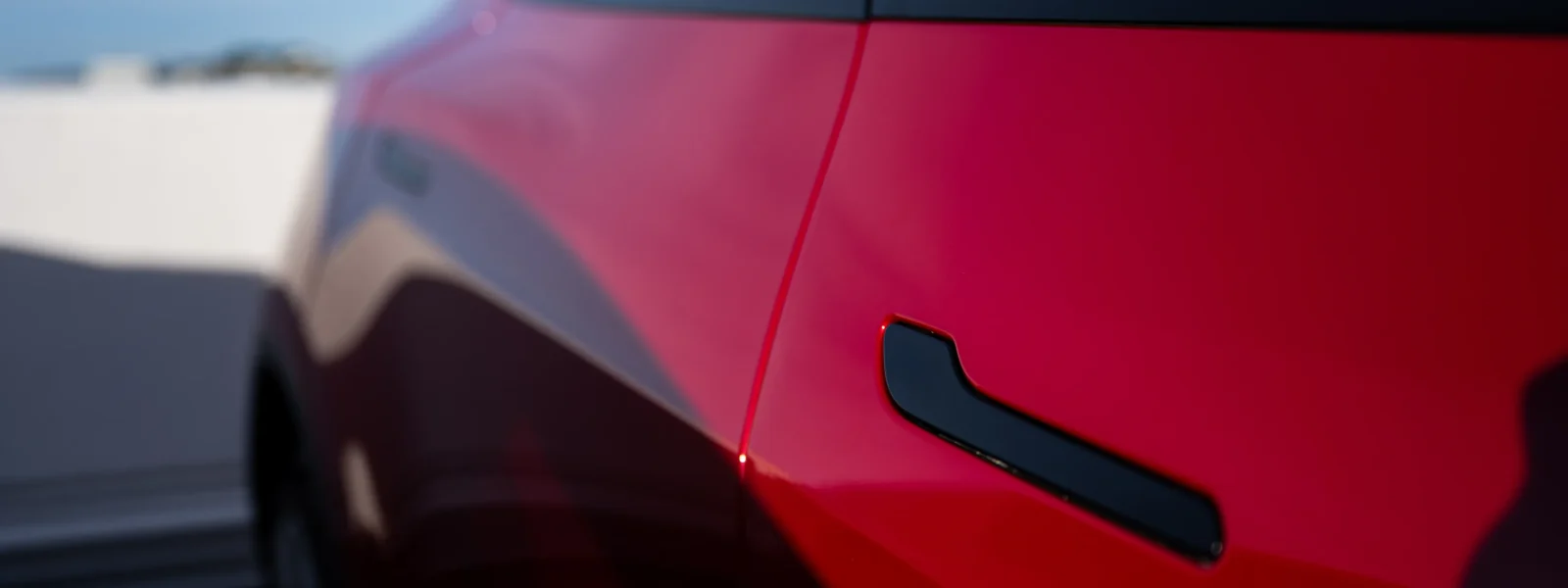
Tesla’s electronic door handles, which operate electronically and sit flush against the vehicle body when not in use, have been at the center of this controversy. The company has faced criticism over incidents where users reported difficulty in opening their doors during emergency situations. However, NHTSA’s decision to focus on a broader rulemaking process indicates that these issues are not unique to Tesla.
The proposed changes would apply to all manufacturers and models, ensuring uniform safety standards across the industry. The agency stated: ‘Our goal is to establish clear and consistent requirements for door egress systems that can be easily understood by both manufacturers and consumers.’
If finalized, these new regulations could significantly impact the automotive industry, requiring extensive changes in vehicle design and manufacturing processes. Manufacturers would need to ensure their vehicles meet the new standards, potentially leading to increased costs and longer development cycles.
The decision comes at a time when safety is increasingly becoming a focal point for regulators and consumers alike. With the rise of autonomous driving technologies and electric vehicles, ensuring that all vehicles can be safely exited in emergency situations has become paramount.
While Tesla has not commented on NHTSA’s proposal, industry experts predict that this move could set a precedent for future safety regulations across the automotive sector.