Key Takeaways
- Iran's Supreme Leader Mojtaba Khamenei criticized the United States for repeated breaches of a memorandum.
- Khamenei stated that President Donald Trump’s signature is 'utterly worthless and devoid of credibility'.
- The comments come amid tensions between Washington and Tehran following a ceasefire agreement breakdown.
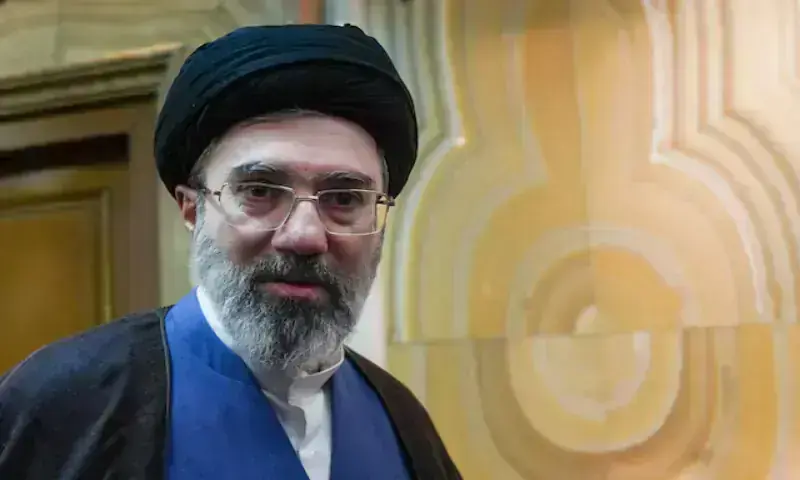
Iran's Supreme Leader Mojtaba Khamenei has publicly denounced the United States for repeated breaches of a memorandum of understanding signed by the presidents of both countries, stating that President Donald Trump’s signature is 'utterly worthless and devoid of credibility'.
In a written statement issued on Saturday, Khamenei emphasized Iran's resolve to hold the US accountable for its actions. He warned that the Iranian nation and the 'resistance front' have 'unforgettable lessons' for the United States.
The latest round of tensions between Washington and Tehran escalated after a ceasefire agreement fell apart last week, leading to renewed hostilities. The statement from Khamenei reflects Iran's growing frustration with what it perceives as US non-compliance and lack of commitment to diplomatic agreements.
Khamenei’s criticism comes at a time when the international community is closely monitoring developments in the region. Analysts suggest that such statements could further strain relations between the two nations, potentially leading to more severe consequences for both sides.
The United States has not yet responded publicly to Khamenei's comments. However, US officials have previously expressed concerns over Iran’s compliance with various international agreements and its actions in the region.
The ongoing tensions highlight the fragile nature of diplomatic relations between the two countries, particularly as they navigate complex geopolitical challenges. The breakdown of the ceasefire agreement has raised fears of a return to all-out war, which could have far-reaching implications for regional stability.
Khamenei’s statement underscores Iran's determination to assert its position and challenge what it sees as US unilateralism. As both nations continue to engage in a delicate dance of diplomacy and confrontation, the future of their relationship remains uncertain.