Key Takeaways
- Climate change is causing mosquito ranges to expand into historically cooler regions.
- Connecticut now hosts 54 different mosquito species, including invasive Asian tiger mosquitoes.
- These new species can transmit diseases such as dengue and Zika.
With the arrival of summer, residents in New England are facing a growing threat from mosquitoes. According to recent reports, climate change is altering the geographical distribution of these insects, with several species now being detected in areas that were previously too cold for them to thrive.
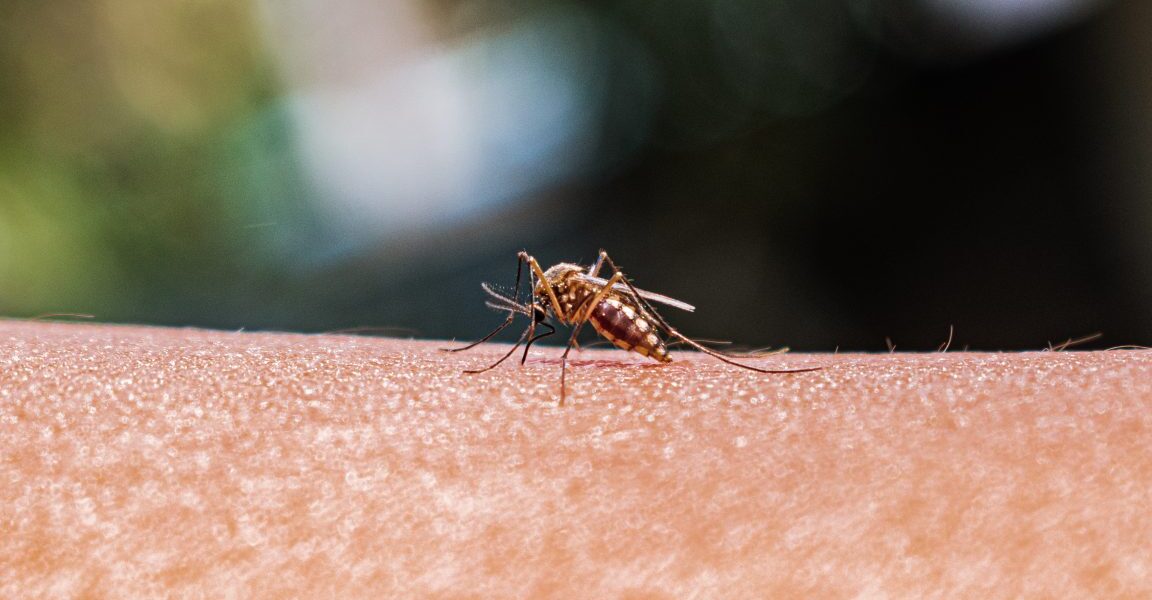
In Connecticut, a statewide mosquito monitoring program has identified 54 distinct species, including the invasive Asian tiger mosquito. This species, historically found in warmer and more humid climates further south, is now expanding its territory northward due to rising temperatures and changing weather patterns.
The presence of these new mosquito species poses significant health risks. The Asian tiger mosquito, for instance, can transmit diseases such as dengue fever and Zika virus, which are not commonly found in the region. Public health officials warn that better monitoring and preventive measures are essential to mitigate potential outbreaks.
Dr. Sarah Thompson, a public health expert from the Connecticut Department of Health, stated: 'We need to be vigilant about tracking these species as they move into new areas. Early detection can help us implement effective control strategies before any diseases spread.'
The expansion of mosquito ranges is not limited to Connecticut; similar trends are being observed across New England and other parts of the United States. As global temperatures continue to rise, more regions are becoming suitable for mosquito habitation.
Local authorities have emphasized the importance of community involvement in monitoring efforts. Residents are encouraged to report any unusual sightings or symptoms related to mosquito-borne illnesses. The state government is also investing in research and development of new surveillance technologies to enhance early warning systems.
While the current situation remains under control, experts caution that proactive measures must be taken to prevent future outbreaks. 'We cannot afford to wait until a disease outbreak occurs,' said Dr. Thompson. 'Prevention is key, and that requires ongoing collaboration between public health officials, researchers, and community members.'
'We need to be vigilant about tracking these species as they move into new areas. Early detection can help us implement effective control strategies before any diseases spread.'
Dr. Sarah Thompson, Public health expert, Connecticut Department of Health