Key Takeaways
- Around 40 registered medicines remain unavailable in Pakistan due to delayed government price approvals.
- Patients, including those with cancer and diabetes, are forced to seek informal sources for these essential drugs.
- The delay is attributed to the approval process involving multiple Cabinet committees.
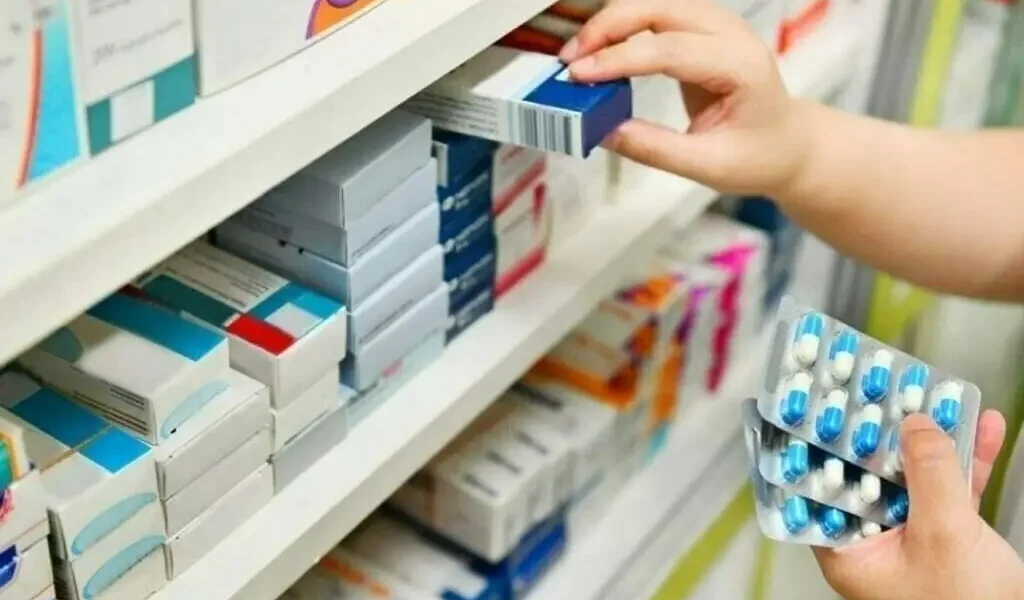
Approximately 40 medicines that have already been registered in Pakistan remain unavailable due to pending government price approvals. These include key treatments such as Pembrolizumab, Nivolumab, and Humador insulin, which are crucial for patients with cancer, diabetes, and other life-threatening diseases.
Health experts warn that the prolonged delay has left many patients with no option but to obtain medicines through informal channels, exposing them to risks of counterfeit, substandard or improperly stored products. According to DRAP, recommendations for fixing the prices of these 40 medicines were finalised by the Drug Pricing Committee between December 2024 and June 2025.
The process involves several steps before receiving final clearance from the federal government. Initially comprising ministers for finance, health, and commerce, the Cabinet Committee was later expanded to include additional ministries such as housing, works, climate change, environmental coordination, and defence production. The Finance Minister Muhammad Aurangzeb oversees this committee.
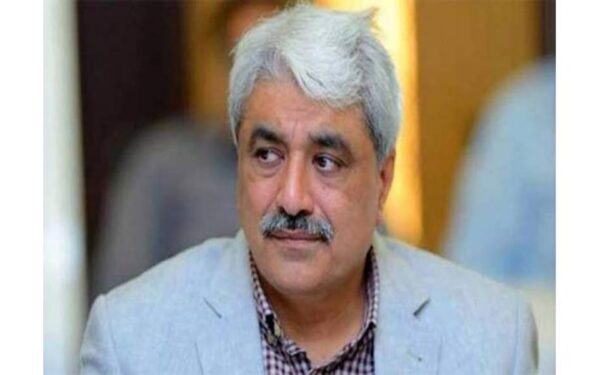
Pakistan Chemists and Druggists Association Chairman Abdul Samad Buddani highlighted the risks associated with patients relying on informal sources for essential medicines. 'When genuine medicines are unavailable in the legal market, desperate patients end up buying smuggled, counterfeit or substandard products,' he warned. Such medicines may fail to cure patients and could even cost lives.
The Pakistan Pharmaceutical Manufacturers Association (PPMA) has urged the federal government to expedite the approval process. The association stated that pharmaceutical companies cannot legally market newly registered medicines until official prices are notified, leading to continued delays in access for Pakistani patients.
These delays are particularly concerning given the critical nature of many of these medications. For instance, Pembrolizumab is a leading immunotherapy drug approved internationally for more than 20 cancers, including lung, breast, cervical, kidney, bladder, stomach and skin cancers. Similarly, Humador insulin is essential in managing diabetes in a country where over 35 million people are living with the condition.
The situation has raised concerns among health experts who believe that timely approval of these medicines could significantly improve patient outcomes. The delay not only affects individual patients but also undermines public trust in the healthcare system and the government's commitment to providing essential medical care.
While the process is complex, it underscores the need for a streamlined and efficient mechanism to ensure that patients have access to necessary medications without undue delays.
'When genuine medicines are unavailable in the legal market, desperate patients end up buying smuggled, counterfeit or substandard products. Such medicines may fail to cure patients and could even cost lives,'
Abdul Samad Buddani, Chairman of Pakistan Chemists and Druggists Association