Key Takeaways
- Environment ministers from D-8 nations adopted the Istanbul Declaration in Istanbul.
- The declaration outlines plans for climate cooperation until 2030, ahead of COP31.
- COP31 is set to take place in Antalya from November 9 to 20.
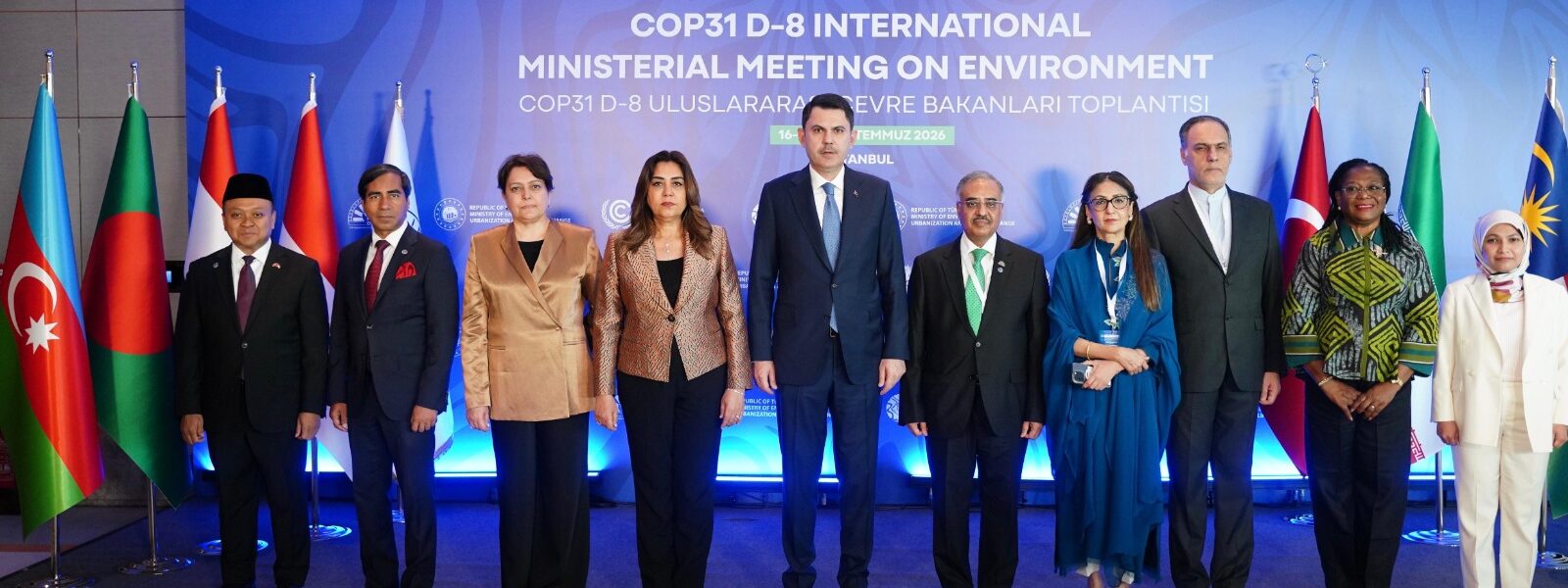
Environment ministers and senior representatives from the nine member states of the D-8 Organization for Economic Cooperation met in Istanbul recently, adopting the Istanbul Declaration. The declaration serves as a framework for climate cooperation among these nations leading up to COP31, which is scheduled to be held in Antalya.
The Istanbul Declaration sets out specific goals and strategies for enhancing environmental protection and sustainable development initiatives over the next five years. These include measures aimed at reducing greenhouse gas emissions, promoting renewable energy sources, and improving water management practices.
According to the declaration, member states will work towards achieving a 45% reduction in carbon intensity by 2030 compared to their 2010 levels. Additionally, they aim to increase the share of non-fossil fuels in primary energy consumption to at least 35% by the same year.
The meeting also discussed potential collaboration on research and development projects focused on climate change mitigation and adaptation strategies. These initiatives are expected to contribute significantly to global efforts against climate change while fostering economic growth within D-8 member states.
Following the adoption of the Istanbul Declaration, environment ministers expressed optimism about the future prospects for regional cooperation in addressing environmental challenges. They emphasized that this framework would serve as a foundation for ongoing dialogue and action among member countries.
While details regarding specific implementation strategies were not provided during the meeting, it was noted that each country will develop its own national action plan aligned with the goals outlined in the declaration. These plans are expected to be shared publicly by the end of 2026.