Key Takeaways
- The Young Pharmacists Association of Pakistan (YPAP) accused the Drug Regulatory Authority of Pakistan (DRAP) of allowing drug prices to increase.
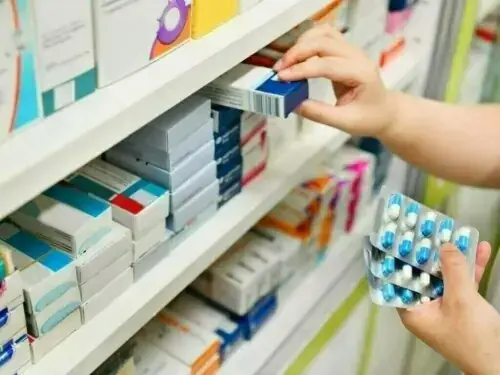
- Public sector hospitals purchase essential medicines at significantly lower rates than private hospitals, leading to a large price difference.
- YPAP demanded immediate policy action from the government to rein in costs for non-essential medicines.
The Young Pharmacists Association of Pakistan (YPAP) has accused the Drug Regulatory Authority of Pakistan (DRAP) of allowing drug manufacturing companies to hike medicine prices, urging the prime minister and Health minister to intervene. At a press conference in Islamabad, YPAP Chairman Dr Mohammad Usman highlighted that life-saving drugs have become unaffordable for the common man.
Dr Usman stated that public sector hospitals purchase various essential medicines at significantly low prices, while private hospitals sell the same medicines at much higher rates. For instance, Omeprazole 20mg per unit costs Rs 1.7 in Punjab’s government-run hospitals but is sold at Rs 67.85 per unit in the open market, reflecting a price differential of 3991.18 percent.
Similarly, Monekulast 10mg tablets cost Rs 3.07 in public hospitals and are sold for Rs 93 each in private markets, showing a difference of 3,029.31 percent. Esitalopram 10mg is bought by the Punjab government at Rs 2.93 per unit but retails for Rs 100 in the open market, indicating a price gap of 3412.97 percent.
The YPAP also accused DRAP Chief Dr Obaidullah of taking bribes and being involved in money laundering activities over the past few years. They alleged that he had visited abroad 100 times and was responsible for deregulating non-essential medicines, which were previously banned in Europe. The DRAP has approved the advertisement of Panadol Extend 665mg despite it being banned elsewhere.
YPAP members further claimed that DRAP officials are benefiting pharmaceutical companies by increasing import bills and encouraging transfer pricing (money laundering). They noted that these practices have been ongoing since 2012, with significant deregulation occurring on February 6, 2024, during the General Elections in Pakistan.
The call for intervention comes amid growing public concern over price surges following the controversial deregulation of non-essential medicines during the tenure of the unelected caretaker government in 2023–24. The YPAP demanded immediate policy action from the government to rein in costs, particularly for non-essential medicines that are becoming increasingly unaffordable for ordinary citizens.
Dr Usman emphasized the need for urgent measures to address this issue, stating, 'We cannot afford to let these prices continue to rise and affect our patients.' The YPAP’s demands reflect a broader concern among healthcare professionals about the affordability of essential medications in Pakistan.
Omeprazole 20mg per unit was costing Rs 1.7 in Punjab’s government run hospitals while same medicine was being sold at Rs 67.85 per unit reflecting a price differential of 3991.18 percent.
Dr Mohammad Usman, YPAP Chairman
We cannot afford to let these prices continue to rise and affect our patients.
Dr Mohammad Usman, YPAP Chairman