Key Takeaways
- International mediators are working to secure a ceasefire between the United States and Iran.
- Concerns over prolonged tensions disrupting global energy markets persist.
- Qatar has proposed a 10-day ceasefire to restore commercial traffic through the Strait of Hormuz.
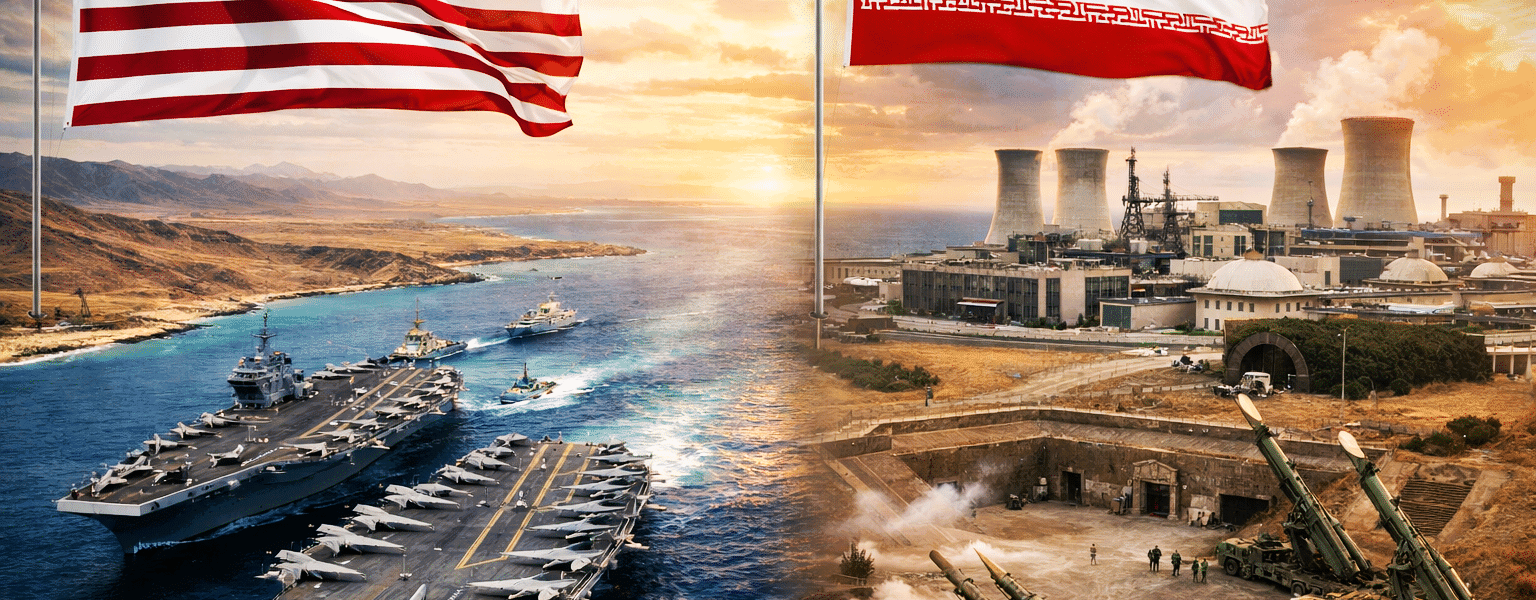
Fresh diplomatic efforts are underway to revive talks between the United States and Iran, as international mediators seek to prevent a prolonged conflict that could disrupt global energy markets. The Wall Street Journal reports that countries, particularly those in the Gulf region, fear a potential war of military confrontations could keep the region’s economy under pressure.
One of the key concerns is the Strait of Hormuz, where shipping activity has fallen significantly, with only 10 vessels passing through per day. This critical waterway is crucial for global oil trade and any disruption could have severe economic consequences.
Qatar has stepped forward to propose a 10-day ceasefire aimed at removing restrictions on shipping through the Strait of Hormuz. The move is intended to restore commercial traffic, which has been severely impacted by the current tensions. Qatar’s proposal reflects its role as an intermediary in regional disputes and its desire for stability.
Meanwhile, Brent crude oil prices have remained steady, trading around $90 per barrel. This suggests that while there are concerns about a potential conflict, market participants are currently maintaining a cautious approach to pricing based on the ongoing diplomatic efforts.
The United States and Iran have not officially commented on these new initiatives, but international mediators continue to engage both sides in private discussions. These talks aim to find common ground and prevent any escalation that could lead to a full-scale conflict.
Gulf countries, including Saudi Arabia and the United Arab Emirates, are closely monitoring the situation, as they have significant economic interests in maintaining stability in the region. Their involvement underscores the broader geopolitical implications of any potential conflict between the US and Iran.
The Strait of Hormuz is not only a critical maritime route for oil exports but also a key strategic location that could significantly impact global energy prices if disrupted. Any prolonged tensions or military actions in this area could have far-reaching economic repercussions, affecting not just the Middle East but the entire world.
While the situation remains tense, international mediators are optimistic about the potential for a diplomatic resolution. Qatar’s proposal and ongoing negotiations suggest that there is still hope for de-escalation and a return to dialogue between the two nations.