Key Takeaways
- Political interference questioned in US player's red card.
- VAR system remains a source of debate and confusion.
- Tournament highlights complex relationship between football and geopolitics.
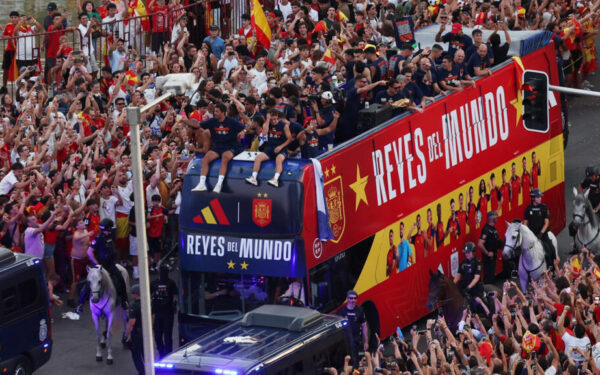
The curtain has fallen on the 2026 FIFA World Cup, an event that saw Spain triumph over Argentina in a closely contested final. However, as the echoes of the stadiums fade, several controversies and unanswered questions remain, casting a shadow over the tournament's legacy.
One of the most glaring issues was the alleged involvement of political figures in sporting matters. US President Donald Trump’s intervention following the red card awarded to American forward Folarin Balogun sparked outrage from European football authorities, including UEFA. The incident raised fundamental questions about where political influence ends and sporting autonomy begins.
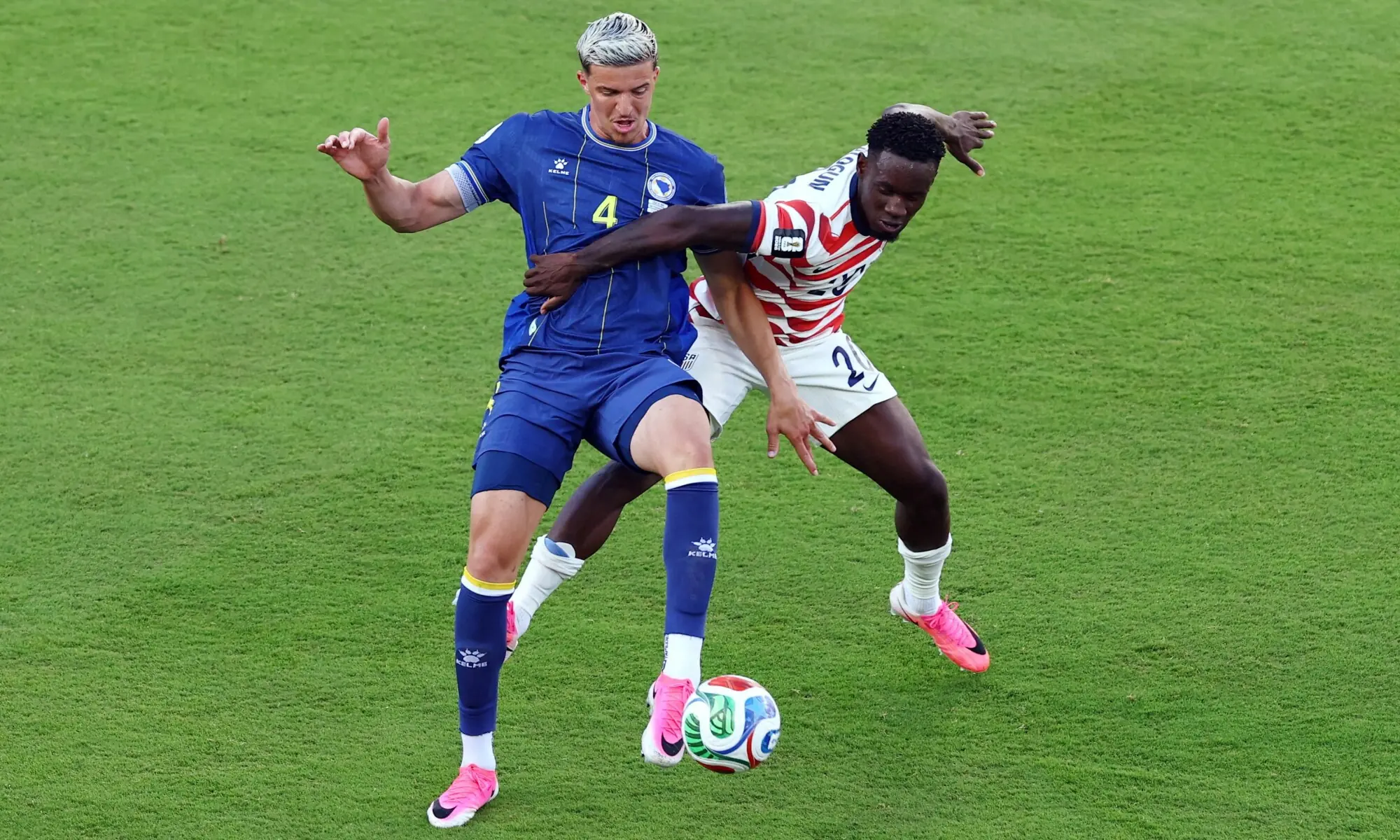
The decision to rescind Balogun's ban after a call from Trump to FIFA President Gianni Infantino allowed the player to feature in a crucial knockout clash. This event highlighted the potential for powerful figures to undermine the integrity of the game, leaving many wondering what prevents similar demands in the future.
The Video Assistant Referee (VAR) system was introduced to reduce refereeing errors but instead became one of the most debated aspects of the tournament. Decisions involving disallowed goals, penalties, and marginal calls continued to generate debate, with transparency surrounding VAR interventions often lacking. The final match offered a significant example, as VAR did not intervene during Spain’s 1-0 extra-time victory over Argentina, despite earlier controversy regarding an apparent goal by Spain's Nico Williams.
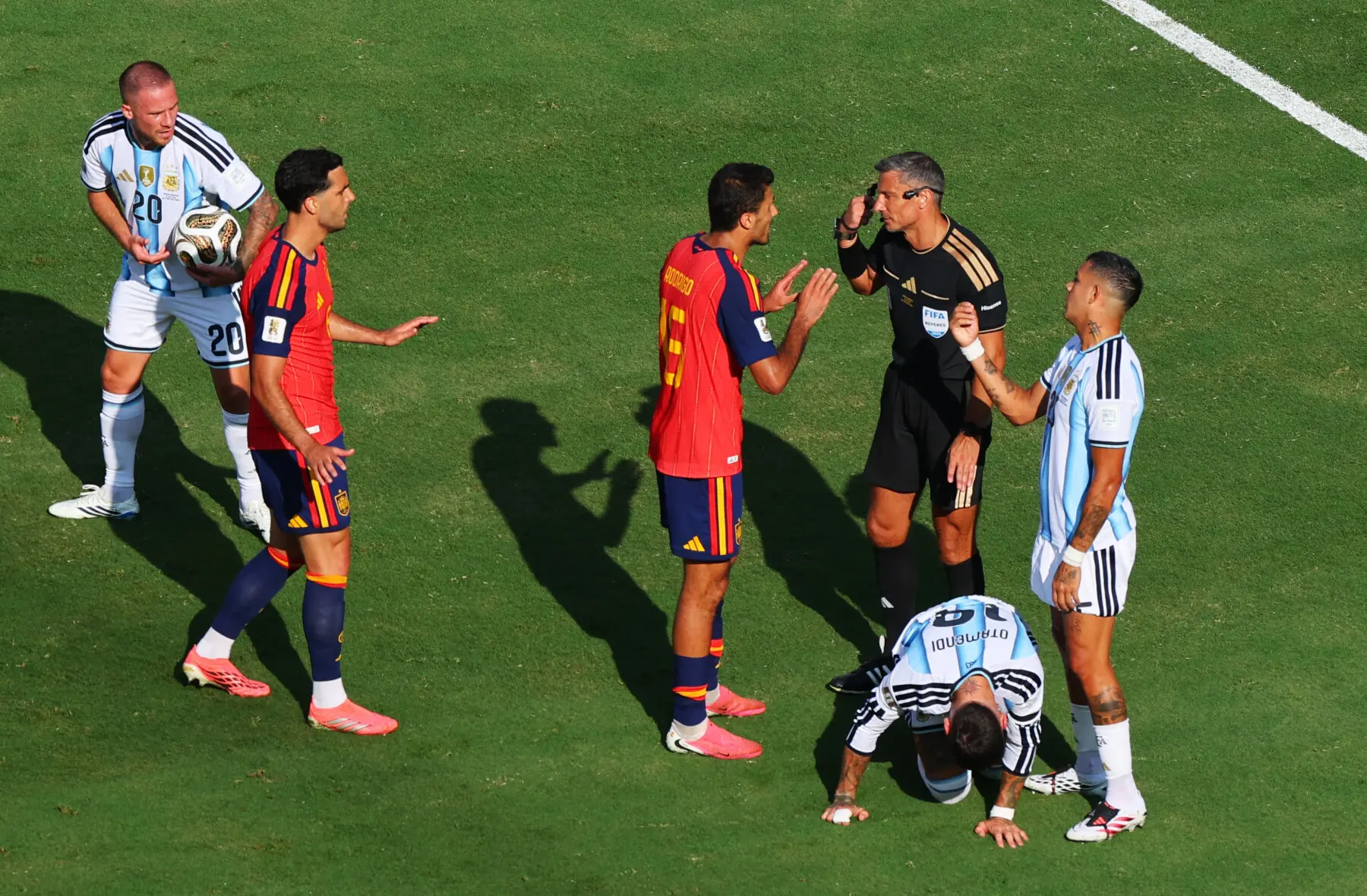
The tournament also highlighted the complex relationship between football and geopolitics. Iran’s participation amid heightened tensions, visa restrictions affecting fans and players from certain countries, and the broader politicisation of the event all underscored this challenging dynamic. If rules can be bent under pressure from powerful figures or nations, what prevents similar demands in the future?
The absence of transparency surrounding FIFA's disciplinary processes only deepened suspicions among football enthusiasts. The lack of clear explanations for VAR interventions and the apparent failure to intervene in crucial moments further fueled debate and mistrust.
These controversies raise important questions about the future direction of international football. As the world continues to grapple with geopolitical tensions, the relationship between politics and sport will remain a critical issue. The 2026 FIFA World Cup serves as a stark reminder that while football can transcend borders, it is not immune to the pressures and influences of the wider political landscape.