Key Takeaways
- Miftah Ismail, former finance minister, argues that Pakistan operates under an elite-controlled economy.
- Key sectors such as sugar, petroleum, and fertiliser are managed to benefit elites at the expense of consumers.
- Agriculture policies have historically resulted in losses for farmers while benefiting investors.
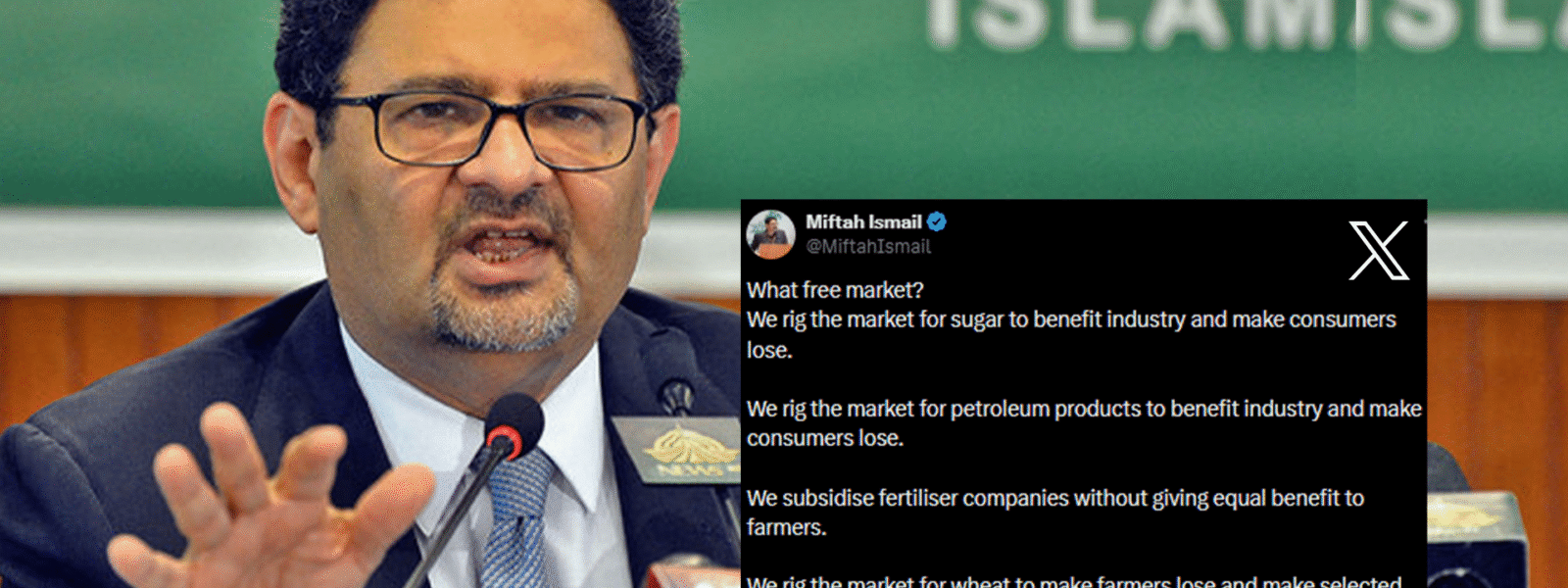
Former finance minister Miftah Ismail has criticized Pakistan's economic system, describing it as 'elite-controlled' and 'rent-seeking.' In a recent debate on economic reforms and market liberalization, he argued that the country does not operate under a genuine free market but rather one that favors select elites.
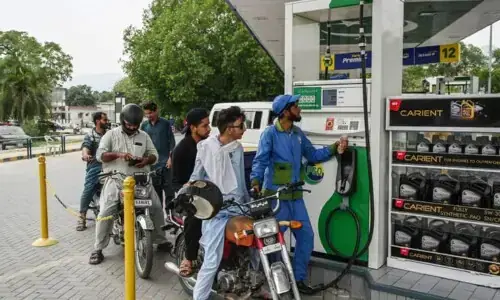
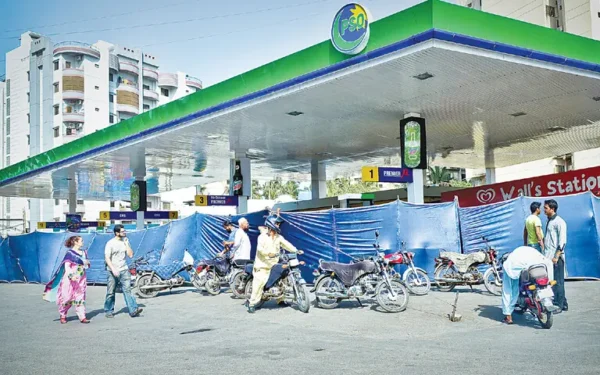
Ismail highlighted several sectors where he believes policy interventions are skewing market dynamics. He pointed out that the sugar sector is managed in a way that benefits industry players while increasing costs for consumers. Similarly, petroleum policies favor producers over the public, according to his analysis.
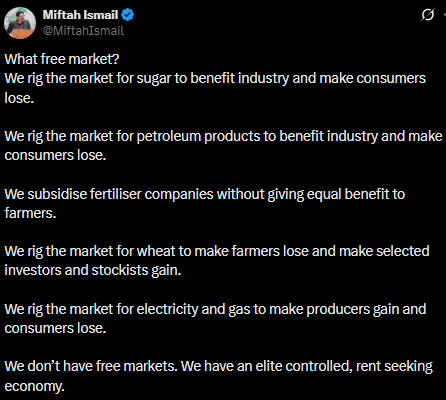
The former finance minister also criticized fertiliser subsidies, stating that companies receive benefits without providing equivalent relief to farmers. 'We don’t have free markets,' he emphasized, 'we have an elite-controlled, rent-seeking economy.'
Ismail's comments came in response to concerns raised by journalists about Pakistan’s economic stabilization measures since 2022. He argued that these measures have not led to the desired outcomes and instead perpetuate a system where key sectors are managed to benefit select groups.
Discussing agriculture markets, Ismail noted that wheat policies have historically resulted in losses for farmers while benefiting selected investors and stockists. This pattern, he said, is indicative of a broader issue within Pakistan's economic framework.
His remarks reflect growing concerns among economists and policymakers about the effectiveness of current economic strategies. The criticism comes at a time when the country faces significant challenges, including high inflation and energy shortages, which have been exacerbated by policy decisions in recent years.
The debate on economic reforms is ongoing, with various stakeholders calling for more transparent and inclusive policies. Ismail's comments are likely to spark further discussions and potentially influence future policy directions.