Key Takeaways
- Critics blame Argentina for dirty tactics and poor sportsmanship during the FIFA World Cup.
- Argentines argue their passionate play is misunderstood, not arrogant.
- Some fans embrace criticism as a badge of honor, while others reject accusations of racism.
Argentina’s football team has faced intense scrutiny after their 1-0 loss to Spain in the FIFA World Cup final, with critics labeling them as ‘villains’ for their aggressive play and poor sportsmanship. However, many Argentines argue that their passionate approach is often misunderstood.
Leo Simone, a lawyer from Buenos Aires, expressed his views on social media: 'I think we deserve some credit for not being very well-liked, because of this tendency to be arrogant and look down on most people from a pedestal.' His wife added, 'They confuse arrogance with pride,' choosing not to give her name.
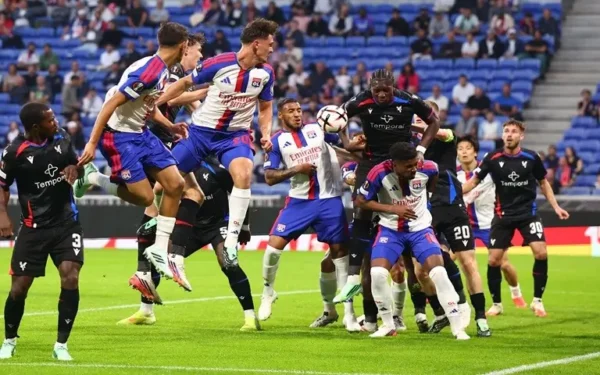
The team’s behavior during the final, which included fouls, brawls on the pitch, and turning their backs when Spain received the World Cup trophy, drew harsh criticism. The New York Times described it as a ‘tetchy, petulant and distasteful performance,’ while former German player Thomas Hitzlsperger called them 'disgusting sportsmen' on X.
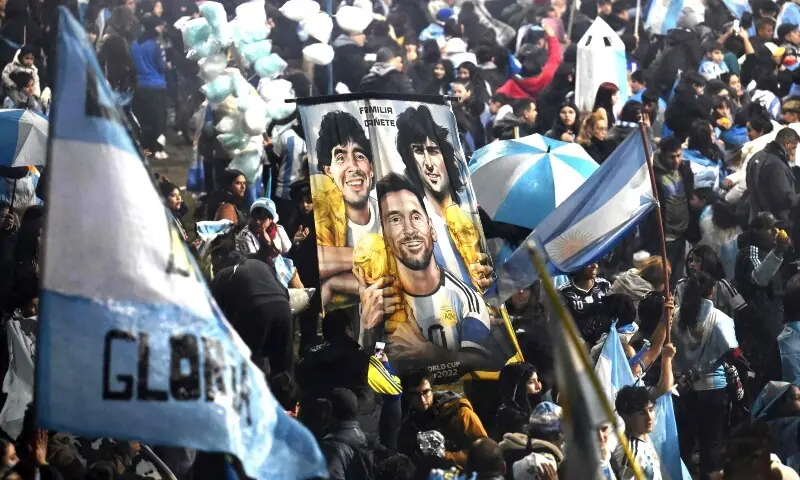
British television personality Piers Morgan added to the backlash by stating: 'They basically just went around whacking as many Spanish players as they could.' Despite this criticism, thousands of fans welcomed the team back at Ezeiza Airport in Buenos Aires on Monday night. Maximiliano Heredia, a 35-year-old construction worker, said: 'We’ve always been criticised, we’re used to it. But we always give it our all.'
Many Argentines online wore the criticism as a badge of honor. Journalist Pedro Rosemblat wrote on Instagram: 'There’s something about Argentine irreverence that they can’t tolerate. Our rebelliousness irritates them, enrages them … they call us cocky, cheaters, dirty. And we love it, it fills us with pride.'
Sports journalist Ezequiel Fernandez Moores acknowledged some criticism was justified but noted: 'Sometimes we think we’re the centre of the universe, that God and our own navel are Argentine. We can’t expect the world to understand us, our way of being, feeling, and expressing ourselves.' He added that local football codes of provocation, mockery, and boasting do not translate well globally.
The lawyer Leo Simone rejected the notion that physical play makes Argentina a violent team: 'Argentina is a team that fights hard, like almost all South American football, but Spain also resorted to tactical fouls. It’s football: if you don’t like being hit, play volleyball.'
For Evelio Rubio, a 47-year-old Venezuelan neurologist living in Argentina for a decade, it is impossible to understand from outside how 'football is experienced here.' He added that experiencing the passion of Argentine fans for their national team is ‘spectacular’ compared to his own country’s struggles with football success.
However, not all criticism can be dismissed. Accusations of racism have also been leveled at both fans and players. A chant by the team mocking some French players as not being really French has drawn attention. The team’s behavior during the final, while defended by many, may still leave a lasting impact on their reputation.
'I think we deserve some credit for not being very well-liked, because of this tendency to be arrogant and look down on most people from a pedestal.'
Leo Simone, Lawyer
'They confuse arrogance with pride,' his wife chimed in, preferring not to give her name.
Unnamed woman (Leo Simone's wife)
'We’ve always been criticised, we’re used to it. But we always give it our all.'
Maximiliano Heredia, 35-year-old construction worker