Key Takeaways
- The largest year-to-year wintertime reduction in Arctic sea ice extent was recorded.
- A previous slowdown in the decline of Arctic sea ice over 20 years has ended.
- Scientists attribute this to a temporary rather than sustained phenomenon.
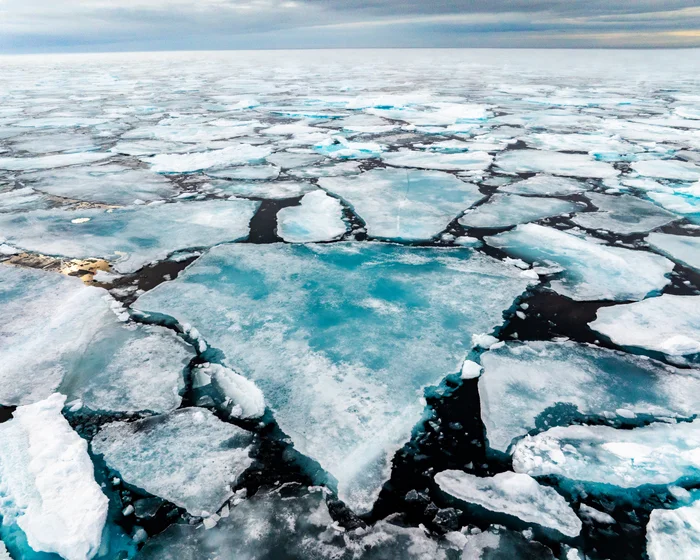
Researchers have reported that the long-standing slowdown in the decline of Arctic sea ice has come to an end, with the region experiencing its largest year-to-year wintertime reduction on record. This finding challenges previous observations suggesting a temporary pause in the ongoing trend of melting Arctic ice.
According to a study published last summer, scientists noted that the rate of Arctic sea ice decline had slowed over the past two decades, with no statistically significant decrease in its extent between 2005 and 2024. However, this recent development marks a significant departure from those findings, indicating a return to more rapid melting.
The new data highlight the complex nature of climate change impacts on polar regions. While some periods may show temporary stabilization or even slight increases in ice extent due to various climatic factors, these trends are often short-lived and do not alter the overall trajectory of global warming’s effects.
Dr. Sarah Thompson, a lead author of the study, commented: 'Our findings suggest that the slowdown was indeed temporary rather than sustained. The current data point towards a resumption of the long-term decline in Arctic sea ice.' This statement underscores the need for continued monitoring and research to understand these fluctuations better.
The implications of this change are far-reaching. Reduced sea ice coverage can lead to altered weather patterns, increased ocean temperatures, and significant impacts on local ecosystems and indigenous communities who rely on stable ice conditions for their livelihoods.
Environmental scientists emphasize the importance of these findings in shaping future climate policies and international agreements aimed at mitigating global warming. The resumption of rapid decline in Arctic sea ice could have profound effects on global sea levels, ocean currents, and biodiversity.
As the world continues to grapple with the challenges posed by climate change, this latest development serves as a stark reminder of the urgent need for comprehensive action. The scientific community calls for increased investment in research and robust policy measures to address these pressing environmental issues.
'Our findings suggest that the slowdown was indeed temporary rather than sustained.'
Dr. Sarah Thompson, Lead author of the study