Key Takeaways
- $2 billion investment from UAE, Turkey, Qatar and China to modernize Port Qasim.
- Project includes dredging, rail infrastructure and multi-logistics park development.
- Improvements aim to enhance cargo movement and facilitate Thar coal exports.
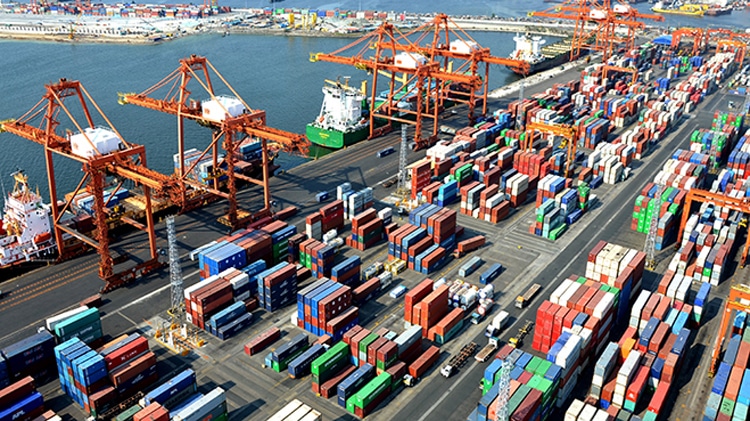
Pakistan is set to receive a significant $2 billion investment from four countries—UAE, Turkey, Qatar, and China—to modernize Port Qasim under a long-term development plan. The project, which will be deployed over the next 30 years, aims to expand port infrastructure and improve cargo movement across the country.
The first phase of a $250 million dredging project has already commenced, with plans to allow ships with a draft of up to 18 metres to dock at the port once completed. This upgrade will significantly enhance Port Qasim's capacity and efficiency.
Reko Diq Mining Company is contributing an additional $150 million towards the modernization efforts. The funds will be used to develop rail infrastructure, connecting the Reko Diq mine to Port Qasim as part of the ML-1 railway project. This new rail link is expected to facilitate future exports of Thar coal, a key resource for Pakistan’s energy sector.
Authorities are also integrating sea, rail, and road transport into a unified logistics network. A multi-logistics park at Pipri will be developed to reduce freight traffic on Karachi’s major road corridors, improving overall transportation efficiency. Plans include connecting Gwadar Port, Karachi Port, and Port Qasim through an integrated transport system.
The project encompasses various components aimed at modernizing the port infrastructure. These include the dredging of the port to accommodate larger vessels, the construction of a new rail link between Pipri and Port Qasim, and the development of a multi-logistics park at Pipri. The integration of these systems is expected to streamline cargo movement and enhance Pakistan’s logistics capabilities.
The modernization efforts are part of a broader strategy to improve Pakistan's port infrastructure and boost its economic growth. By enhancing the capacity and efficiency of Port Qasim, the country aims to attract more foreign investment and support domestic industries, particularly those involved in coal exports from Thar region.
According to officials, the project will be phased over 30 years, with each phase focusing on specific aspects of modernization. The first phase, involving dredging and initial rail infrastructure development, is already underway. Future phases will continue to build upon these foundations, ensuring a comprehensive and sustainable improvement in port facilities.