LIVE Watch Now
Breaking
3GPP finalizes 6G Release 21 timelineAI firm highlights GPU financing potentialAI data center boom stretches PCB and passive component delivery timesStartup OpenRouter rumored to be sold for billionsTaiwan Semiconductor to Invest US$100 Billion in US ManufacturingAI chip race expands to connectivity and memoryAustralian asylum seekers on Nauru struggle with food shortages despite government spendingBalochistan Allocates Rs3 Billion for Quetta Train ProjectPSX Suffers Heavy Losses Amid Escalating Regional TensionsNew Zealander Ryan Fox Wins British Open with Birdie at Last HoleDeschamps Reflects on ‘Wonderful’ World Cup JourneyPunjab allocates Rs3 billion for Quetta train projectHoltek Semiconductor reports strong revenue growthNvidia and TSMC face internal chip shortagesCXMT’s IPO fuels DRAM capacity raceComponent shortages threaten networking equipment shipmentsChina unveils AI interoperability and space computing plansJoyce Defends Hanson on Deportations, Denies White Australia Policy SupportNvidia CEO meets Japanese officials, firms in push for AI ecosystemJI Urges Shehbaz to Release Rs40bn for K-IV Water Project3GPP finalizes 6G Release 21 timelineAI firm highlights GPU financing potentialAI data center boom stretches PCB and passive component delivery timesStartup OpenRouter rumored to be sold for billionsTaiwan Semiconductor to Invest US$100 Billion in US ManufacturingAI chip race expands to connectivity and memoryAustralian asylum seekers on Nauru struggle with food shortages despite government spendingBalochistan Allocates Rs3 Billion for Quetta Train ProjectPSX Suffers Heavy Losses Amid Escalating Regional TensionsNew Zealander Ryan Fox Wins British Open with Birdie at Last HoleDeschamps Reflects on ‘Wonderful’ World Cup JourneyPunjab allocates Rs3 billion for Quetta train projectHoltek Semiconductor reports strong revenue growthNvidia and TSMC face internal chip shortagesCXMT’s IPO fuels DRAM capacity raceComponent shortages threaten networking equipment shipmentsChina unveils AI interoperability and space computing plansJoyce Defends Hanson on Deportations, Denies White Australia Policy SupportNvidia CEO meets Japanese officials, firms in push for AI ecosystemJI Urges Shehbaz to Release Rs40bn for K-IV Water Project
◕ SundialUpdated 1 day ago
Trending Stories
International

Kuwait, Bahrain intercept Iranian missiles amid regional tensions

Kuwait, Bahrain intercept Iranian missiles amid regional tensions

Key Takeaways

  • Bahrain and Kuwait intercepted missiles and drones launched from Iran.
  • Air raid sirens sounded in Amman as Israel reported Iranian missile detections.
  • US Embassy in Jordan advised American citizens to avoid Aqaba's airport and seaport.

Authorities in Bahrain and Kuwait have reported the interception of missiles and drones launched from Iran, escalating tensions in the region. The incidents come as air raid sirens were heard in Amman, the capital of Jordan, while Israel detected Iranian missiles targeting Aqaba's coastal city.

In a social media post, the US Embassy in Jordan warned American citizens to avoid Aqaba’s airport and seaport due to a specific and credible threat. This advisory underscores the growing risk of a wider conflict in the Middle East.

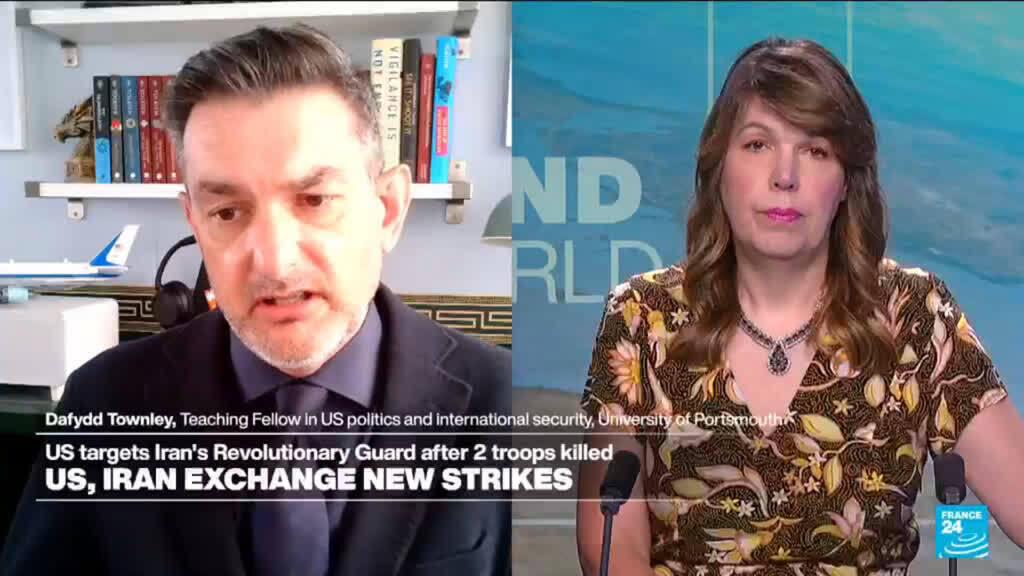
Dafydd Townley, a Teaching Fellow in US politics and international security at the University of Portsmouth, commented on the situation: 'The current escalation is concerning as it could lead to unintended consequences and further destabilization.'

The intercepted missiles and drones indicate Iran's continued aggressive actions, which have been met with increasing vigilance from regional allies. Bahrain and Kuwait have stepped up their defenses in response to these threats.

Amman’s air raid sirens serve as a stark reminder of the potential for broader involvement in the conflict. The Jordanian capital’s alert system was activated as a precautionary measure, highlighting the spread of tension beyond just the immediate vicinity of Aqaba and Bahrain.

Israel's detection of Iranian missiles targeting its territory further complicates the situation. Israeli officials have not commented publicly on their response to these reports but are known for their proactive stance against perceived threats from Iran.

The US Embassy’s advisory reflects a broader concern among Western nations about the stability in the region. The warning issued by the embassy is part of an ongoing effort to ensure the safety and security of its citizens abroad, particularly those in areas where tensions are high.

Regional experts suggest that while direct military confrontation between Iran and its adversaries remains unlikely, the risk of miscalculation or accidental escalation is real. Diplomatic efforts will be crucial in de-escalating the situation and preventing a wider conflict.