Key Takeaways
- TSMC announces an additional $100 billion investment into US manufacturing.
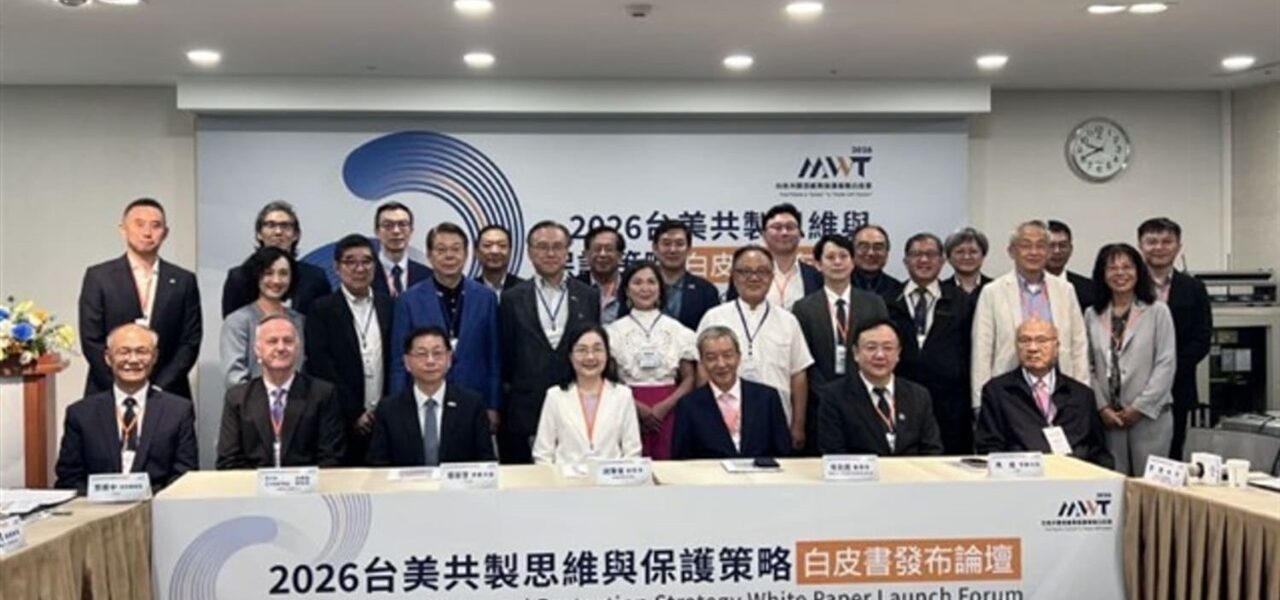
- The International Artificial Intelligence and Law Research Foundation released a co-make strategy white paper on July 17.
- Taiwanese companies are increasingly focusing on investing in the US.
Taiwan Semiconductor Manufacturing Company (TSMC) has announced an additional $100 billion investment into US manufacturing, marking a significant shift in global semiconductor production. This move comes amid growing interest from Taiwanese firms to expand their operations beyond traditional markets.
The International Artificial Intelligence and Law Research Foundation (IAILRF), which released the 2026 US-Taiwan Co-Make and Protection Strategy White Paper on July 17, has highlighted the strategic importance of this investment. The foundation’s secretary-general, Wesley Chu, stated that for Taiwanese companies, investing in the US is no longer a question of whether to go, but how to go.
The decision by TSMC reflects broader trends in global manufacturing and technology. With increasing geopolitical tensions and supply chain disruptions, many tech firms are seeking diversified production bases to mitigate risks. The US government has also been actively encouraging foreign investment through various incentives and policies aimed at boosting domestic semiconductor manufacturing capabilities.
According to the IAILRF white paper, the co-make strategy involves collaborative efforts between Taiwanese companies and American partners to enhance technology transfer and mutual benefits. This approach is seen as a way to strengthen economic ties while ensuring technological leadership in the global market.
The investment by TSMC will likely have significant implications for both economies involved. For the US, it represents a substantial boost to its manufacturing sector and could help address critical shortages of semiconductors. For Taiwan, this move signals a strategic pivot towards diversifying its economic interests and reducing reliance on traditional markets.
Industry experts predict that such investments will drive innovation and create new job opportunities in both countries. However, they also caution about potential challenges, including regulatory hurdles and competition from other global players. The success of these initiatives will depend on the ability to navigate these complexities effectively.
The announcement by TSMC has sparked discussions among policymakers and business leaders regarding the future direction of technology and manufacturing partnerships. As more Taiwanese companies follow suit, it is expected that this trend will continue to shape the landscape of global semiconductor production.
For Taiwanese companies, investing in the US is no longer a question of whether to go, but how to go.
Wesley Chu, Foundation secretary-general