Key Takeaways
- The New York Times has filed a motion to quash subpoenas from the Justice Department.
- Subpoenas were issued to journalists who reported on security concerns with Qatari-gifted Air Force One.
- NYT claims the subpoenas are in bad faith and violate constitutional rights.
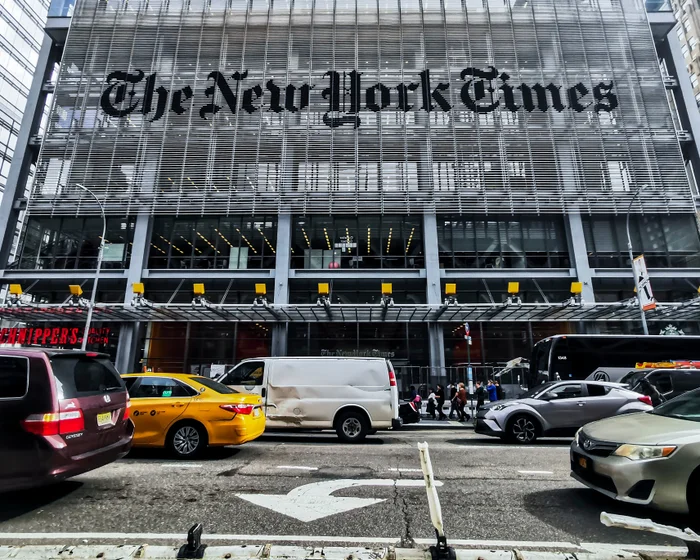
The New York Times has filed a motion to quash subpoenas from the Justice Department, which were issued to journalists who reported on security concerns surrounding the new Qatari-gifted Air Force One. This move sets up what could be a significant court battle over press freedom and the government’s ability to force reporters to reveal their sources.
In a statement, David McCraw, senior vice-president and deputy general counsel of The New York Times, said: 'These subpoenas are brought in bad faith to punish The Times for its coverage. They violate the constitutional rights of The Times and its journalists.'
The journalists involved had reported on security concerns related to the aircraft, which was gifted by Qatar as a gift to President Joe Biden. According to McCraw, the move is an attempt to silence reporting that matters to the public.
McCraw added: 'We are going to court to defend our journalists’ rights to report freely on the administration and to provide the public with stories that matter.'
The subpoenas have raised concerns among press freedom advocates who fear they could set a dangerous precedent. If successful, The Times' motion could prevent the government from using such tactics in the future.
This development comes at a time when journalists are increasingly facing legal challenges over their reporting. In recent years, there has been growing tension between the media and the government over issues of transparency and accountability.
The case highlights the ongoing debate about the balance between national security concerns and the public’s right to know. Critics argue that such actions by the Justice Department could chill free press and undermine trust in journalism.
Legal experts say that if The Times prevails, it would be a significant victory for press freedom. However, if the government wins, it could open the door to more aggressive tactics against journalists.
'These subpoenas are brought in bad faith to punish The Times for its coverage. They violate the constitutional rights of The Times and its journalists.'
David McCraw, Senior vice-president and deputy general counsel, The New York Times