Key Takeaways
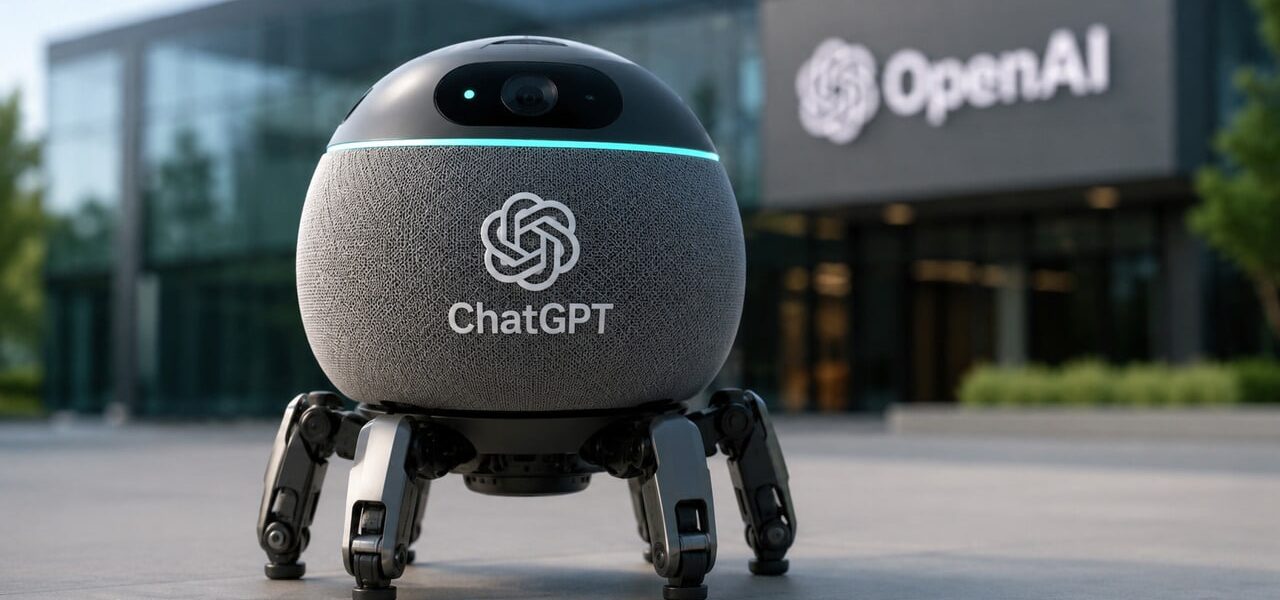
- OpenAI's new smart speaker is expected to feature mechanical legs and a camera.
- The device aims to offer advanced AI capabilities, including natural conversations and personalisation.
- Jony Ive's design team is involved in the project.
OpenAI is reportedly developing its first major consumer product—a smart speaker that could redefine the way users interact with technology. According to Bloomberg’s Mark Gurman, this device will not only have mechanical legs for movement but also a camera to perceive its environment, making it more than just a voice-activated assistant.
The speaker is designed to be portable and run on rechargeable batteries, operating without a screen. It aims to integrate advanced AI features such as ChatGPT access, smart home control, media playback, messaging, and other AI-powered services. The device’s unique selling point lies in its ability to learn about users over time, becoming more proactive and personalised.
One of the most intriguing aspects is the inclusion of mechanical elements that can move independently, aiming to make the speaker feel more alive and less like a static object. This design choice is intended to enhance user interaction by making conversations feel more natural and lifelike.
The device will reportedly use an advanced version of ChatGPT’s voice mode, allowing for back-and-forth conversations that can be interrupted mid-sentence. OpenAI aims to make the speaker anticipate users' needs and provide relevant information proactively, creating a more human-like experience.
Jony Ive's design studio, LoveFrom, is involved in the project alongside former Apple designers and engineers who previously worked on iconic products like the iPhone and Mac. This collaboration suggests that the device will not only be technologically advanced but also aesthetically appealing.
OpenAI plans to unveil the product later this year with a release expected in 2027, though no official details about its design, price, or launch markets have been announced yet. The company has already introduced Codex Micro, a limited-run hardware accessory for Codex users, but this new device is described as OpenAI’s first major consumer AI product.
While the exact specifications and features remain undisclosed, the project highlights OpenAI's ambition to create a more interactive and personal form of artificial intelligence. The speaker could potentially bridge the gap between current smart speakers and human-like companions, offering users a unique blend of technology and empathy.