Key Takeaways
- The number of QR-enabled merchants in Pakistan more than doubled from 516,000 to 1.09 million during FY2024-25.
- Cash is still preferred by many small businesses in rural areas despite increased digital payment acceptance.
- Digital payments do not automatically lead to formalisation and integration into the broader economic system.
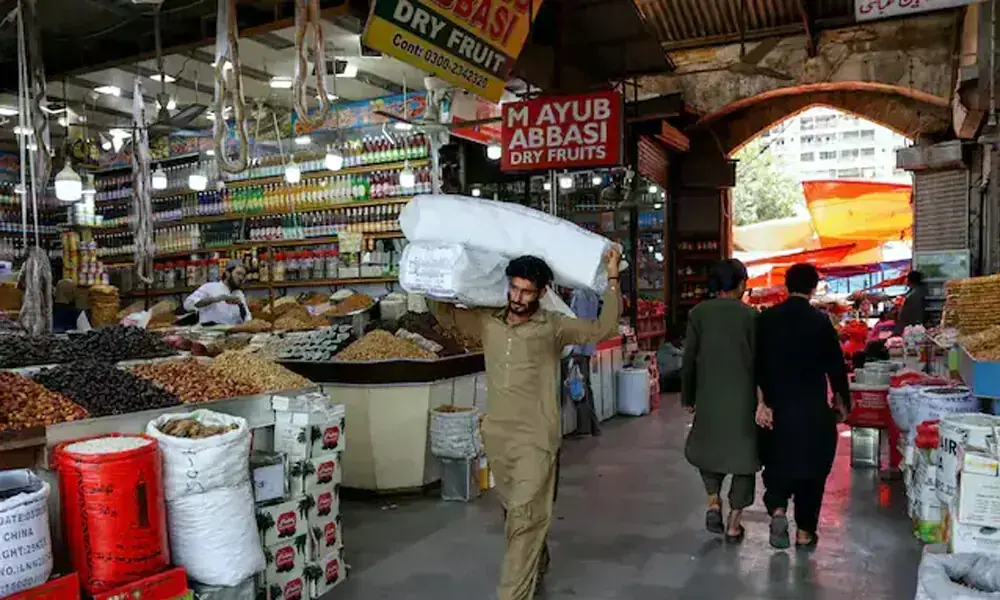
Recent travels across rural Sindh, South Punjab, and Gilgit-Baltistan have revealed that cash is rarely necessary for small businesses in these regions. Roadside shops, small restaurants, informal service providers, and other businesses with little visible documentary footprint routinely accept bank transfers or mobile payments.
According to the State Bank of Pakistan, the number of QR-enabled merchants more than doubled during fiscal year 2024-25, rising from approximately 516,000 to 1.09 million. This is a significant achievement and indicates growing digital acceptance among small businesses in Pakistan.
However, this digital payment growth does not equate to formalisation. A digital transaction does not automatically create a legal identity for the business or establish accounts, taxable income, registered employees, invoices, licences, or enforceable contracts. It also does not distinguish commercial turnover from personal transactions between individuals.
The same payment infrastructure can facilitate transactions for documented companies, unregistered roadside businesses, and activities operating entirely outside formal regulatory boundaries. Digital payments reduce transaction friction but do not inherently integrate businesses into a broader productive system.
In Istanbul during peak tourist season, the preference for cash was evident across various small businesses in Sirkeci and surrounding commercial districts. Discounts of around 10 per cent were frequently offered to customers paying in Turkish lira rather than by card. This may reflect card-acquiring costs, commercial habit, or the greater traceability of electronic transactions.
Despite this visible preference for cash, Istanbul has sustained an extraordinarily dense tourism and small-business economy. Türkiye received roughly 64 million visitors and earned approximately $65 billion in tourism revenue in 2025. This demonstrates that a preference for cash does not prevent the development of a vibrant informal sector.
The observations from both rural Pakistan and Istanbul suggest that while digital payments have increased, they do not automatically lead to formalisation or integration into the broader economic system. The institutions surrounding these transactions must evolve to convert them into enterprise capability.
Policymakers in Pakistan need to focus on creating a supportive institutional environment that can leverage digital infrastructure for formalisation and growth. Without such support, businesses may remain commercially illegible despite their increased visibility in the financial network.