Key Takeaways
- Scientists have discovered significant links between gut microbiome and mental health.
- Research suggests that specific strains of microbes in the gut can improve symptoms of depression and anxiety.
- Future treatments may involve personalized pills targeting the gut microbiome.
Recent advancements in microbial neuroscience have revealed a profound connection between the gut microbiome and mental health. This research, spearheaded by neuroscientists like Professor Phil Burnet at the University of Oxford, suggests that specific strains of microbes within the digestive tract can influence psychological conditions such as depression and anxiety.
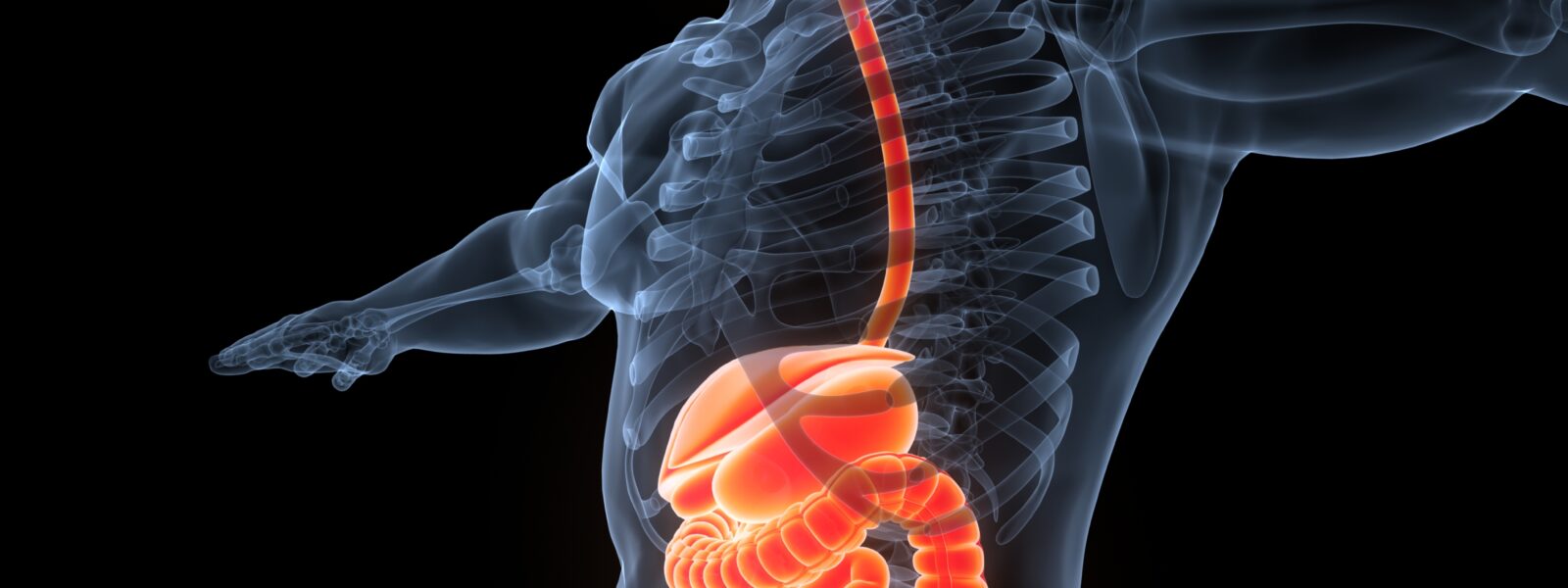
The enteric nervous system, often referred to as the 'second brain,' contains approximately 500 million neurons. These neurons are in constant communication with the central nervous system via the vagus nerve, which plays a crucial role in transmitting signals from the gut to the brain. This bidirectional communication is one of several mechanisms by which gut microbes can impact mental health.

Beyond the vagus nerve, gut microbiota influence mental health through various pathways. For instance, they produce metabolites that enter the bloodstream and cross the blood-brain barrier, affecting brain function. Additionally, these microbes interact with gut hormones and stimulate the immune system, further influencing psychological states.
The field of microbial neuroscience has seen rapid growth over the past decade, driven by an abundance of laboratory studies and human trials involving microbiota. These include probiotics—live beneficial microbes—prebiotics that fertilize specific bacterial strains, and postbiotics derived from heat-treated microbes. Together, these studies paint a comprehensive picture of how gut microbes can be harnessed to maintain wellbeing or treat brain disorders.
Professor Burnet emphasizes the potential for using this intricate ecosystem to address complex psychological issues: 'How can we use this to maintain wellbeing or treat brain disorders?' He highlights that within the gut-brain circuit, the gut microbiome is the most accessible component. This makes it a promising target for developing new treatments.
The future of mental health treatment may involve personalized pills designed to administer specific strains of microbes in the gut. These pills could potentially alleviate symptoms of depression and anxiety without directly acting on brain cells or hormones. Such an approach offers a novel and non-invasive method for managing psychological disorders.
While the research is promising, it remains in its early stages. Further studies are needed to fully understand the mechanisms involved and to develop safe and effective treatments. However, the potential benefits of targeting gut microbes offer hope for individuals suffering from complex and hard-to-treat mental health conditions.
Fifteen years ago, there was sniggering at the back of the seminar room when people presented their research.
Professor Phil Burnet, Neuroscientist at the University of Oxford