Key Takeaways
- The Punjab government announced a comprehensive strategy at the first-ever Halal Food Summit.
- Initiative aims to ensure compliance with Islamic principles and modern food safety standards.
- Government committed to protecting consumers' rights through safe, hygienic, and nutritionally sound Halal food.
The Punjab government has launched a comprehensive strategy aimed at enforcing Halal food laws across the province. This initiative was announced during the first-ever Halal Food Summit, jointly organized by the Food Safety and Consumer Protection Department, the Punjab Halal Development Agency (PHDA), and the Punjab Food Authority (PFA).
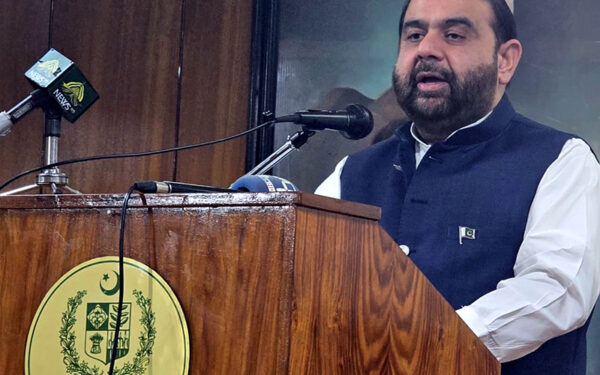
Speaking at the summit, Special Assistant to the Chief Minister Salma Butt highlighted that the strategy is being pursued on the directions of Chief Minister Maryam Nawaz. She emphasized the importance of promoting a farm-to-plate Halal food ecosystem in Punjab, ensuring access to safe and hygienic food for consumers.
According to Secretary Food Safety and Consumer Protection Dr Kiran Khurshid, the department is working on mapping the non-food sector and strengthening enforcement mechanisms. The goal is to develop a modern regulatory framework that aligns with international best practices, she added.
Director General Punjab Food Authority and Registrar PHDA Raja Mansoor Ahmed stated that the government is committed to strengthening regulatory compliance in both Halal food and non-food industries. He mentioned that measures are being taken to expand Halal certification, build institutional capacity, and facilitate trade and industrial growth.
The summit served as a platform for policymakers, industry representatives, academics, and international experts to exchange knowledge, share global best practices, and promote collaboration in the Halal sector. Raja Mansoor Ahmed noted that the demand for Halal-certified products is increasing globally among both Muslim and non-Muslim consumers.
He further explained that the government is positioning the Halal system not only as a religious requirement but also as a modern regulatory compliance framework. A comprehensive strategy has been prepared for the classification of Halal and non-Halal food, packaging, and non-food products. Inspection, licensing, and enforcement systems are being aligned with Shariah requirements.
Food experts, members of the academic community, and international speakers participated in the summit, discussing global trends, regulatory challenges, and opportunities for expanding Pakistan’s Halal economy.
Quality, purity and tayyab food are the essence of the Halal food system.
Salma Butt, Special Assistant to the Chief Minister
The summit is a platform for policymakers, industry representatives, academics and international experts to exchange knowledge, share global best practices and promote collaboration.
Raja Mansoor Ahmed, Director General Punjab Food Authority and Registrar PHDA