Key Takeaways
- Europe’s June heatwave is estimated to have cost farmers €2bn in lost revenue.
- 9 million tonnes of crops, including wheat and barley, were destroyed.
- Concerns are growing over potential increases in food prices.
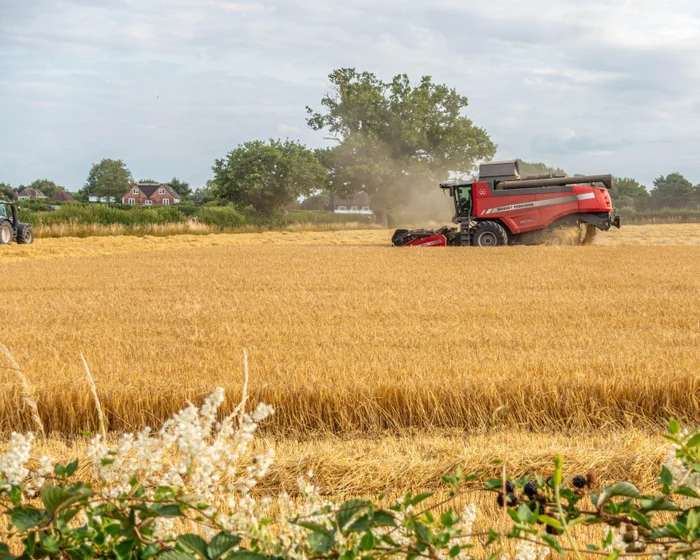
A severe heatwave that swept across Europe in June has caused significant damage to agricultural crops, with estimates suggesting a loss of €2bn (£1.7bn) in revenue and the destruction of 9 million tonnes of grain, including wheat, barley, maize, and oats.
According to Coceral, the European cereals and oilseeds trade association, this substantial crop damage is expected to reduce the overall harvest by a significant margin, potentially leading to higher food prices for consumers across the continent.
The heatwave, which reached record June temperatures, has raised concerns among farmers and industry experts about the long-term impact on agricultural productivity. With crops such as wheat and barley being particularly affected, the reduced supply could lead to increased costs at a critical time of year when demand is high.
Farmers are now facing the daunting task of assessing the extent of the damage and planning for future seasons. The European cereals sector has reported that the heatwave has not only impacted current harvests but also threatens to reduce yields in subsequent years due to soil degradation and water stress.
The impact on food prices is a matter of growing concern, with experts warning that consumers may soon see an increase at their local markets. As supply chains are disrupted and production costs rise, retailers and producers are likely to pass these additional expenses onto consumers, potentially leading to higher grocery bills for households across Europe.
In response to the crisis, agricultural policymakers are calling for urgent measures to support affected farmers and mitigate the impact on food security. Initiatives such as subsidies, crop insurance, and investment in climate-resilient farming practices are being considered to help stabilize the sector and protect against future disruptions.
The European Union is also exploring ways to enhance its support mechanisms for agriculture, recognizing that the current situation highlights the vulnerability of the region’s food supply chains. Efforts are underway to develop more robust frameworks that can better withstand extreme weather events and ensure a stable food supply for EU citizens.