Key Takeaways
- Prime Minister Shehbaz Sharif calls for increased lending to SMEs.
- Current share of private sector credit from SMEs is 7%, target is 10% within two years.
- Banks cite risk and government securities as reasons for reluctance.
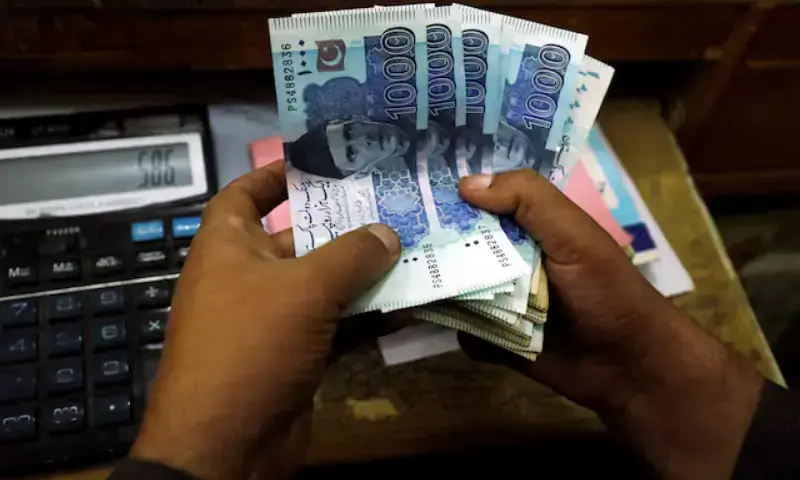
Prime Minister Shehbaz Sharif has once again called on banks to expand lending to small and medium-sized enterprises (SMEs), aiming to increase the share of private sector credit from SMEs from 7% to 10% within two years. However, this is not a new initiative; every government over the last three decades has made similar appeals with little success.
The latest push comes under the Access to Finance Plan initiative, which aims to boost the number of SME borrowers from 310,000 to 750,000. Despite these ambitious targets, the banking sector remains hesitant, citing risk as a primary concern. According to Dawn, most SMEs lack audited financial statements and reliable cash-flow records, making them high-risk for banks.
Weak legal enforcement, lengthy recovery procedures, and information asymmetry further increase lending costs. Cash-flow-based lending requires better data, specialised underwriting, digital monitoring, and relationship banking—commercially viable but not currently prioritised by the banks.
From a commercial perspective, lending to the government offers attractive, virtually risk-free returns. Investing deposits in government securities requires far less effort, incurs lower operational costs, and generates predictable profits without the complexities of financing thousands of small borrowers. This environment reduces the motivation for banks to develop expertise in SME or agricultural lending.
Despite recent experience with subsidised federal and provincial lending schemes and State Bank first-loss guarantees that reduce default risks, most commercial banks have avoided financing SMEs and agriculture. The few participating banks have shown that technology, alternative data, and cash-flow-based lending can manage these risks effectively.
The issue was discussed at the Pakistan Banks' Association's second Banking Summit recently, where policymakers, regulators, and bankers acknowledged that the current pattern of credit allocation is unsustainable. Finance Minister Miftah Ismail urged banks to direct more financing towards sectors that generate employment, exports, and productivity. Without the growth of SMEs and other priority sectors, the economy cannot sustain long-term expansion.
A banking system will not indefinitely prosper by recycling deposits into government securities while neglecting productive enterprise. The challenge lies in incentivising banks to prioritise lending to SMEs over easy government profits. Until this cultural shift occurs, the financing gap for SMEs is likely to remain a persistent issue.