Key Takeaways
- The federal cabinet has yet to decide on price revisions for 105 essential medicines recommended over two years ago.
- Prolonged shortages are creating opportunities for counterfeit and substandard products in the market.
- Chemists warn that critical medicines like cancer treatments and heart disease drugs are critically short.
KARACHI: The federal government's delay in approving price revisions for essential medicines has led to a significant shortage of over 100 life-saving drugs, including those used for treating cancer, heart attacks, and other serious illnesses. This situation is raising concerns about the integrity of the pharmaceutical supply chain and increasing the risk of counterfeit products entering the market.
More than two years after the Drug Regulatory Authority of Pakistan (Drap) recommended price revisions for 105 hardship-category medicines, the federal cabinet has yet to make a decision. The Drug Pricing Committee noted that rising costs of imported raw materials, energy, packaging, transportation, labour, financing, and currency depreciation had made the production of many essential medicines commercially unviable.
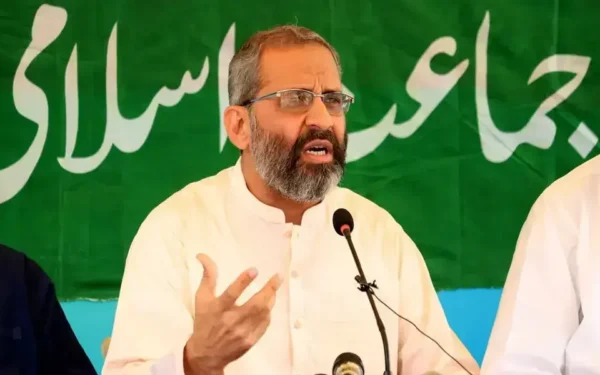
Abdul Samad Buddani, President of the Pakistan Chemists and Druggists Association (PCDA), warned that prolonged shortages are creating opportunities for counterfeiters. He stated, 'A total of 105 medicines are either unavailable or in critically short supply. They include oral morphine capsules, streptokinase injections, chemotherapy medicines like cisplatin, carboplatin, and doxorubicin, paediatric digoxin liquid, pilocarpine eye drops, yellow fever vaccine, folic acid tablets, and several immunoglobulin products.'
The growing shortage has also raised concerns about the integrity of the pharmaceutical supply chain. Mr Buddani explained that when authentic medicines disappear from the market, patients often turn to unreliable sources, increasing the risk of counterfeit and substandard medicines entering the supply chain, particularly expensive cancer medicines.
Pharmaceutical manufacturers claim that the shortages are largely due to prolonged delays in implementing the hardship pricing mechanism. They argue that the current pricing structure has made the production of several essential medicines financially unsustainable. A senior member of the Pakistan Pharmaceutical Manufacturers' Association (PPMA) said, 'Successive governments have delayed decisions on hardship-category medicines despite clear recommendations from the Drug Pricing Committee, discouraging manufacturers from continuing the production of several essential medicines.'
The situation is particularly concerning for patients who rely on these critical medications. The PPMA urged the government to expedite pending decisions to restore supplies and prevent further disruptions. They stated, 'If manufacturers cannot recover even the basic cost of producing essential medicines, production simply cannot continue. The pricing policy exists to ensure these medicines remain available to patients, and timely decisions are necessary to achieve that objective.'
The delay in decision-making is not only affecting patient access but also creating a market ripe for counterfeiters. Chemists and pharmaceutical manufacturers are calling on the government to take immediate action to address this crisis and protect public health.
'A total of 105 medicines are either unavailable or in critically short supply.'
Abdul Samad Buddani, President, Pakistan Chemists and Druggists Association
'If manufacturers cannot recover even the basic cost of producing essential medicines, production simply cannot continue.'
Senior member of the Pakistan Pharmaceutical Manufacturers' Association (PPMA)