Key Takeaways
- Sindh’s paddy growers are set to suffer economic losses due to water disruptions.
- Technical issues at Tarbela Dam have exacerbated the situation, leading to blame between provinces.
- Balochistan holds Sindh responsible for failing to release its share of water from Guddu and Sukkur barrages.
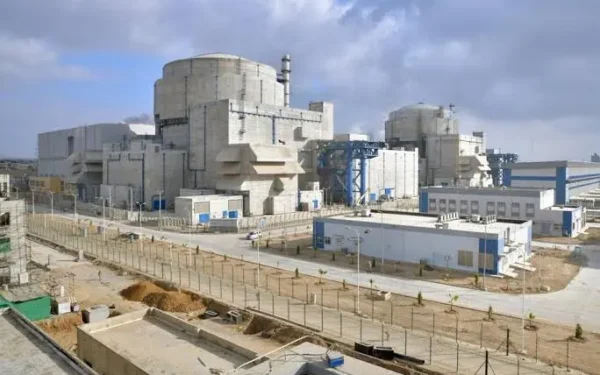
Sindh’s farmers are bracing for significant economic losses during the kharif season due to ongoing technical issues at Tarbela Dam, which have disrupted water releases. The dam's hydropower project has faced exceptional delays, worsening the situation and leading to interprovincial discord.
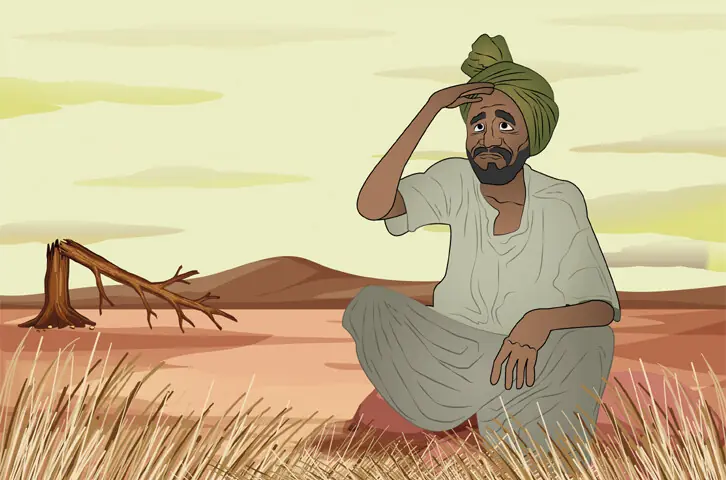
The resulting water shortages have particularly affected paddy growers in Sindh’s right bank command area of Sukkur Barrage. Ishaq Mughairi, a seasoned paddy grower from Shahdadkot district, highlighted the dire impact: 'We do not have water even for drinking purposes now. Last year, I harvested only 40 maunds of paddy from my 50-60 acres because of water shortages,' he said.
The delay in ongoing works at Tarbela Dam has disrupted water releases, leading to provinces trading blame over distribution. The development works have constrained the Indus River System Authority (Irsa) in managing water releases to provinces. Tarbela is the primary source of water for Sindh, which traditionally seeks supplies during the early kharif season but often faces denial.
Water shortages are not just a result of reduced river flows and link canals operations; delays in completing ongoing works at Tarbela Dam have further disrupted flows when Irsa could have ensured better releases. With considerable storage in April compared to 2025, Sindh continued to press Irsa for irrigation supplies for summer crops.
Irsa initially reduced flows to Sindh as part of an attempt to 'equalise' shortages among provinces—a rationale contested by Sindh. The province argued that it had utilised surplus flows generated by rains and could not adjust these against its share under the Water Accord 1991.
In a strongly worded letter on July 2, Irsa drew attention to Wapda’s Member (Water) regarding 'continuous defiance of Irsa's regulatory directives.' The water regulator maintained that despite repeated assurances by Wapda at various meetings, the situation remained unresolved. This interprovincial dispute has left farmers like Mughairi in a precarious position, with their livelihoods hanging in the balance.
The ongoing issues highlight the complexities involved in managing water resources across provinces and the potential economic impacts on agriculture. As the kharif season progresses, the need for coordinated efforts between authorities and provinces to ensure fair distribution of water becomes increasingly critical.
'We do not have water even for drinking purposes now.'
Ishaq Mughairi, Seasoned paddy grower from Shahdadkot district