Key Takeaways
- English Heritage recruits volunteers to maintain meadows using traditional scything techniques.
- The initiative aims to preserve an age-old skill and improve habitat for rare bees.
- Volunteers are trained at Muchelney Abbey in Somerset.
English Heritage has launched an initiative to train a new generation of scythers, aiming to keep alive a centuries-old craft while enhancing the natural habitat of the West Country's meadows.
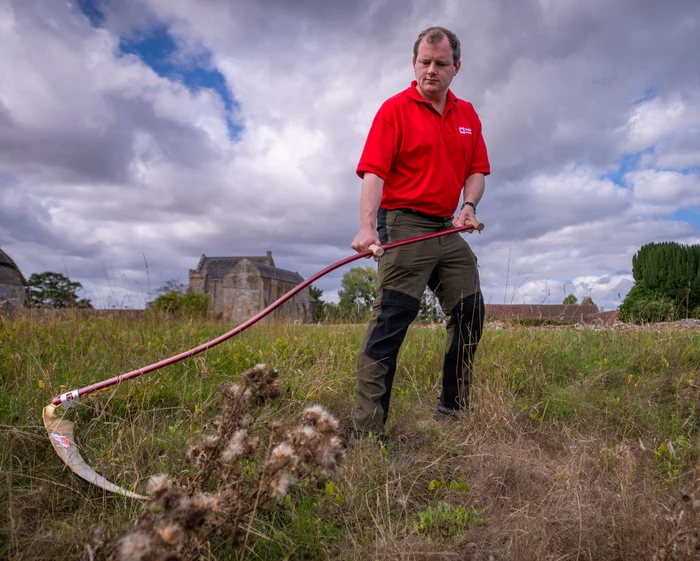
The program, which includes training at Muchelney Abbey in Somerset, involves volunteers using traditional scythes to cut meadows in a manner that benefits both the environment and local wildlife.
According to the conservation charity, the scything technique is not only effective but also beneficial for the rare shrill carder bee, which relies on specific meadow conditions for its survival.
Participants in the program receive hands-on training, learning the art of scything from experienced practitioners who pass down their knowledge and skills.
The initiative is part of a broader effort by English Heritage to preserve and promote traditional crafts and skills that are integral to the cultural and ecological heritage of the region.
Volunteers are rewarded with practical benefits, such as bread and cheese, as they work alongside experts to maintain the meadows in a manner that respects both historical and ecological values.
The program is seen as a way to connect modern conservation efforts with the rich history of the West Country, ensuring that traditional skills are not lost to the passage of time.
By involving volunteers in this hands-on conservation work, English Heritage hopes to inspire a new appreciation for the importance of preserving natural habitats and traditional crafts.
The initiative is part of a larger movement to integrate traditional practices with modern conservation methods, highlighting the enduring value of ancient skills in contemporary environmental stewardship.