Key Takeaways
- Researchers at Stanford University genetically replaced a portion of a mouse's brain with human brain organoids.
- This method aims to study brain diseases more accurately by creating a more natural tissue environment.
- The technique could provide better models for understanding and treating human brain disorders.
Scientists at Stanford University have made a significant breakthrough in the field of neuroscience by genetically replacing a portion of a mouse's brain with human brain organoids. This innovative approach aims to enhance the accuracy of studying brain diseases, which often rely on complex interactions among specialized cell types.
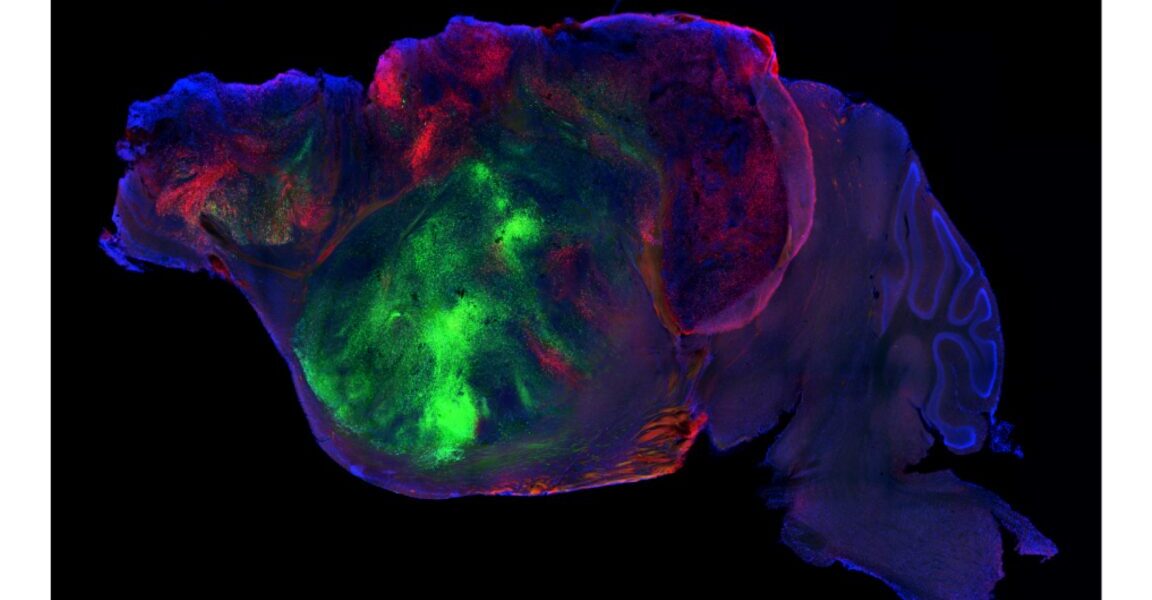
The research, published in a recent article, details how the team genetically modified a mouse to remove a large part of its brain cortex and replaced it with human brain organoids. These organoids, formed from stem cells, are capable of producing a variety of specialized cells and adopting a three-dimensional tissue structure, making them a more realistic model of human brain tissue.
While traditional organoids provide a better model for studying diseases than flat cell cultures, they still lack some critical features of a real human brain, such as connections with specialized brain structures and the ability to interact with the circulatory and immune systems. The new technique addresses these limitations by integrating human brain cells directly into the mouse brain, creating a more natural environment for study.
The researchers hope that this method will lead to a better understanding of brain diseases and potentially pave the way for more effective treatments. By studying the interactions between human and mouse brain cells, scientists can gain insights into the complex processes that occur in the brain and how they might be affected by various diseases.
This groundbreaking research could have significant implications for the study of neurological disorders, such as Alzheimer's disease, Parkinson's disease, and other conditions that affect the brain. The ability to study these diseases in a more natural and complex environment could accelerate the development of new treatments and therapies.
The technique also opens up new avenues for drug testing, allowing researchers to test the efficacy of potential treatments in a more realistic model of the human brain. This could lead to more accurate predictions of how drugs will behave in human patients, potentially reducing the need for costly and time-consuming clinical trials.
While the research is still in its early stages, the potential benefits are significant. The ability to study brain diseases in a more natural and complex environment could revolutionize the field of neuroscience and lead to new breakthroughs in understanding and treating these conditions.
The team at Stanford University is optimistic about the future of this research and is already planning further studies to refine the technique and explore its potential applications. By continuing to push the boundaries of what is possible in neuroscience, scientists are bringing us closer to a better understanding of the human brain and the diseases that affect it.