Key Takeaways
- Researchers created model papyrus scrolls to validate screening methods.
- The Herculaneum scrolls are badly charred and written in lead-based ink.
- The project aims to decipher the scrolls without damaging them.
Scientists have developed a new method to decipher ancient Herculaneum scrolls, which are badly charred and written in lead-based ink, making them extremely fragile. This ongoing project, known as the Vesuvius Challenge, combines 'digital unwrapping' with crowdsourced machine learning to read the scrolls.
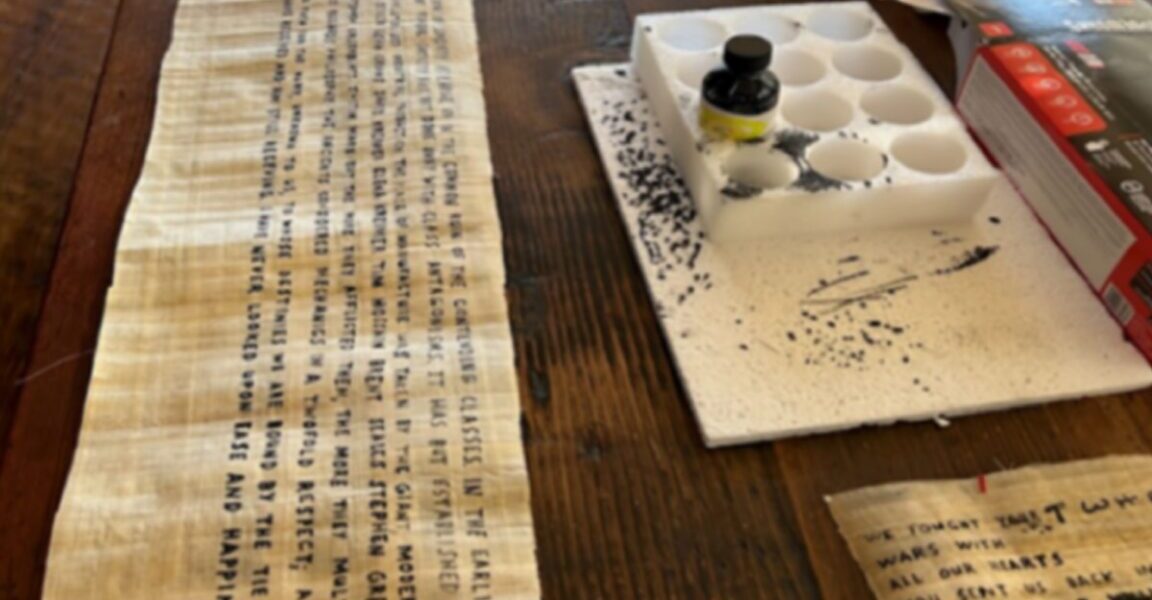
To validate their screening method, the researchers created their own contemporary model papyrus scrolls, charring them in a manner similar to the original Herculaneum scrolls. This process allowed them to determine which of the Herculaneum scrolls were most likely written in lead-based ink, making them the most promising candidates for further analysis.
The Herculaneum scrolls were discovered in a palatial residence believed to have once belonged to a man named Piso. They were excavated in the 1700s from a single room that archaeologists believe held the personal working library of an Epicurean philosopher named Philodemus. The few opened fragments have helped scholars identify various Greek philosophical texts, including On Nature by Epicurus and several by Philodemus himself, as well as a handful of Latin works.
However, the more than 600 rolled-up scrolls were so fragile that it was long believed they would never be readable, as even touching them could cause them to crumble. The new method aims to decipher these scrolls without damaging them, potentially unlocking the secrets of ancient Roman philosophy and literature.
The project, which is part of the Vesuvius Challenge, is a collaborative effort that combines digital technology with the expertise of machine learning and crowdsourcing. The goal is to use these tools to read the scrolls without physically unrolling them, which could cause irreversible damage.
The researchers published their findings in the journal PLoS ONE, detailing the process and the validation of their screening method. This new approach could revolutionize the way we approach the deciphering of ancient texts, ensuring that these invaluable historical artifacts are preserved for future generations.
By creating model scrolls and using advanced digital techniques, the team hopes to identify the most promising candidates for further analysis, ultimately bringing to light the contents of the Herculaneum scrolls and contributing to our understanding of ancient Roman culture and philosophy.